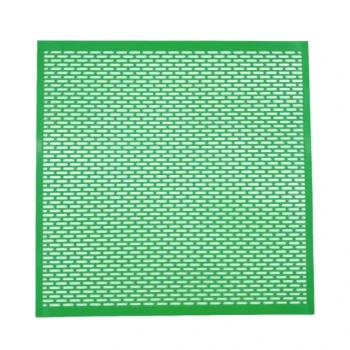
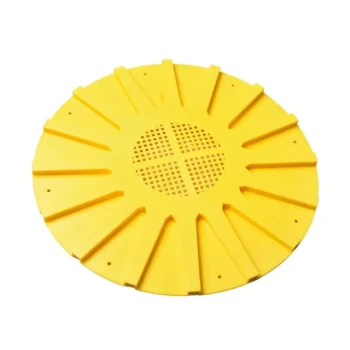
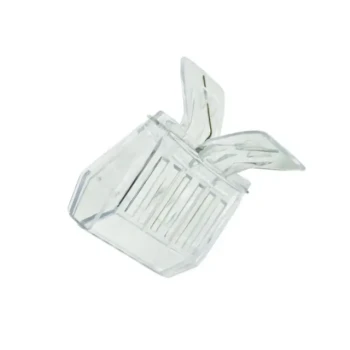
A queen excluder is a specialized mechanical barrier placed between the brood nest and the honey super. Its primary function is to act as a sieve that allows smaller worker bees to pass through freely while physically blocking the larger queen from entering the upper hive boxes. This ensures that the honey super remains a dedicated space for pure honey storage, preventing the queen from laying eggs in frames intended for harvest.
The queen excluder guarantees clean, brood-free honey by confining the queen to the lower hive body, allowing the colony to focus energy on nectar collection in the supers without the risk of contaminating the harvest with larvae.
The Mechanics of Separation
Leveraging Size Differences
The excluder functions based on precise physical dimensions. Whether made of metal wires or plastic grids, the spacing is gauged specifically to the anatomy of the bees.
The gaps are large enough for worker bees to travel through to deposit nectar. However, they are too narrow for the queen's larger thorax and abdomen, effectively confining her to the designated brood boxes below.
Defining the Storage Zone
By installing this barrier, you create a distinct operational division within the hive.
The lower section becomes the nursery for raising brood. The upper section (the honey super) becomes a "pantry" used strictly for surplus food storage.
Why Separation Matters
Ensuring Honey Purity
The most significant benefit of an excluder is the sensory quality of the harvested product.
Without an excluder, the queen may move upward and lay eggs in the honey super frames. This results in frames containing both honey and developing larvae, which complicates extraction and introduces contaminants into the honey.
Resource Management
Restricting the queen's movement can also influence the colony's energy allocation.
During major nectar flows, confining the queen prevents the expansion of the brood nest into the supers. This allows the colony to redirect energy—originally required for feeding extra larvae—toward the collection and processing of nectar, potentially enhancing production efficiency.
Correct Timing and Installation
Avoid Premature Installation
A common mistake is adding the excluder before the bees are ready to work in the super.
If you place an excluder over undrawn foundation (bare frames), the worker bees may be reluctant to pass through the barrier to build the wax comb. This can stall the expansion of the hive.
The Critical Threshold
To ensure the bees accept the new space, you should generally wait until the colony has drawn out approximately 3 to 4 frames of wax in the super.
Once the bees have established a presence and drawn comb in the upper box, you can insert the excluder. At this stage, feeding should typically stop to encourage the storage of natural nectar.
Understanding the Trade-offs
The "Honey Excluder" Effect
While effective for purity, excluders can sometimes impede the flow of workers.
In some cases, bees may view the grid as a ceiling rather than a doorway, reducing the amount of honey stored above. This is often referred to jokingly by beekeepers as a "honey excluder."
Necessity in Larger Hives
The use of an excluder is not mandatory for every setup.
In hives that utilize multiple deep hive bodies for the brood nest, the queen often naturally remains in the lower sections where the brood pattern is established. In these scenarios, the natural barrier of honey stores often keeps the queen out of the upper supers without a physical grid.
Making the Right Choice for Your Goal
Deciding whether to use a queen excluder depends on your specific objectives for the harvest.
- If your primary focus is Maximum Honey Purity: Use an excluder to guarantee that your extraction frames contain 100% honey with zero risk of brood or larval contamination.
- If your primary focus is Rapid Comb Building: Delay installing the excluder until the workers have successfully drawn out the foundation in the honey super to avoid stalling their progress.
- If your primary focus is Unrestricted Movement: Consider skipping the excluder if you are running a double-brood box system, as the queen may naturally stay lower in the hive.
Used correctly, a queen excluder is a powerful management tool that transforms a chaotic hive into an organized, efficient honey-producing system.
Summary Table:
| Feature | Purpose & Detail |
|---|---|
| Primary Function | Blocks larger queen from honey supers while allowing worker access |
| Main Benefit | Ensures 100% pure honey storage free of larvae and brood contamination |
| Optimal Timing | Install after 3-4 frames of comb are drawn in the super to avoid stalling |
| Key Mechanics | Uses precise spacing based on bee anatomy (thorax size) |
| Management Goal | Organizes the hive into a clear 'nursery' and 'pantry' structure |
Elevate Your Honey Production with HONESTBEE
Are you looking to scale your commercial apiary or supply your distribution network with premium beekeeping equipment? At HONESTBEE, we specialize in providing high-quality wholesale solutions for every stage of honey production. From durable queen excluders and hive-making machinery to advanced honey-filling systems and unique honey-themed merchandise, we have the tools to ensure your success.
Our value to you:
- Comprehensive Wholesale Catalog: One-stop shop for all tools, machinery, and consumables.
- Commercial Grade Quality: Equipment designed for high-capacity apiary management.
- Industry Expertise: Solutions tailored to distributors and large-scale operations.
Ready to optimize your harvest and grow your business? Contact HONESTBEE today to discuss our volume pricing and custom machinery options!
Related Products
- High Performance Plastic Queen Excluder for Beekeeping and Apiary Management
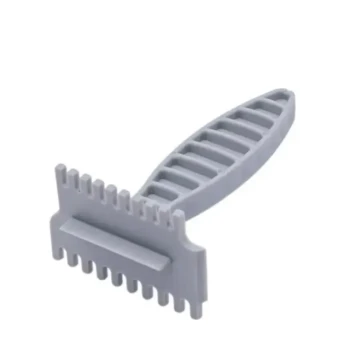
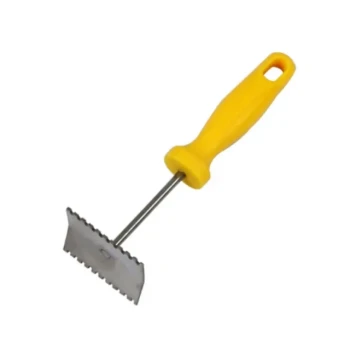
- Lightweight Durable Plastic Queen Excluder Scraper for Beekeeping
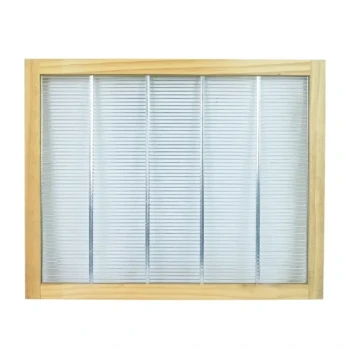
- Premium Wood Framed Metal Wire Queen Bee Excluder
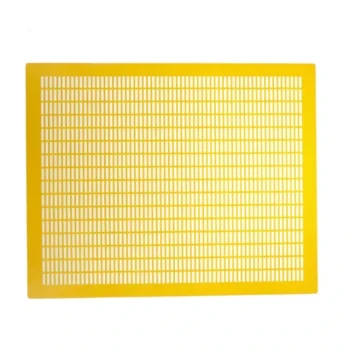
- Professional Plastic Queen Excluder for Modern Beekeeping
- Metal Queen Bee Excluder for Beekeeping
People Also Ask
- What are the characteristics of a plastic queen excluder? Key Benefits for Cost-Effective Beekeeping
- What are the operational and cost advantages of using plastic queen excluders over metal or wire excluders in commercial hive management? Discover how they reduce labor, prevent wing damage, and lower total costs.
- What types of queen excluders are available for beekeepers? Choose the Right Tool for Your Hive
- Why are standardized hive frames and queen excluders essential for maintaining honey purity and quality? Scale Your Purity
- Do plastic queen excluders work? A Cost-Effective Solution for Modern Apiaries