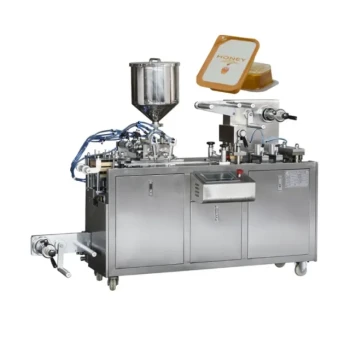
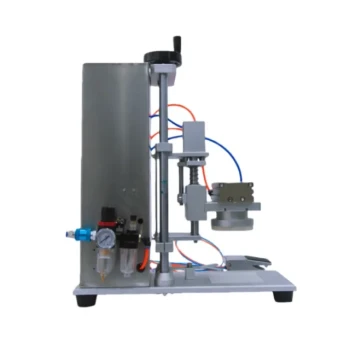
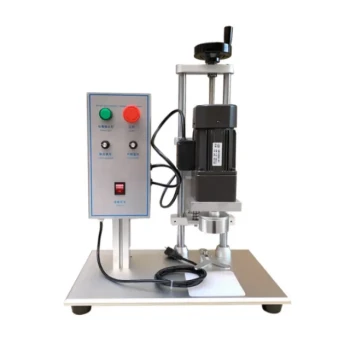
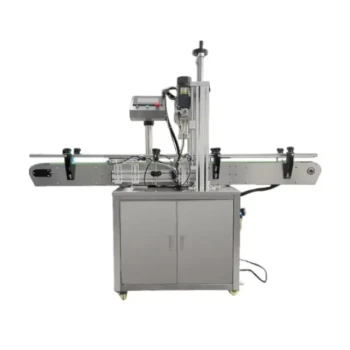
The sealing mechanism serves as the critical final step in the packaging workflow. It functions by applying calculated heat and pressure to bond packaging materials together, resulting in a secure, airtight closure. This component is essential for isolating the product from the external environment, thereby securing its quality and longevity.
Beyond simply closing a container, the sealing mechanism is the primary defense against spoilage and contamination. It ensures product integrity through airtight bonds and supports tamper-evident safety standards.
The Core Functions of a Sealing Mechanism
Creating an Airtight Barrier
The primary role of the sealing mechanism is to produce an airtight seal. This prevents the ingress of oxygen, moisture, and dust, which are the main drivers of product degradation.
By fusing the packaging materials, the mechanism ensures the container is hermetically closed. This prevents leakage and maintains the internal atmosphere required for the product.
Preserving Product Freshness and Quality
Sealing is directly linked to the freshness of the final product. A secure seal locks in flavor and aroma while keeping out contaminants that could spoil food or beverages.
In industries like pharmaceuticals, this function is vital for maintaining the chemical stability of the medication. It ensures the product reaches the consumer in the exact state intended by the manufacturer.
Providing Safety and Security
Modern sealing mechanisms often incorporate tamper-evident features. This provides a visual guarantee to the consumer that the package has not been opened or altered.
This is particularly common in induction sealing, where a foil liner is adhered to the container rim. This layer acts as a safety seal that must be broken by the end-user.
Operational Principles
The Heat and Pressure Method
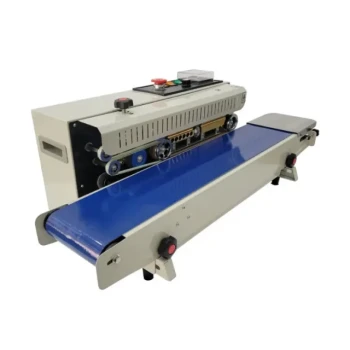
Most standard sealing mechanisms rely on the precise application of heat and pressure. The machine heats the interface of the packaging material until it becomes tacky or molten.
Pressure is then applied to fuse the layers together. This method is highly customizable and can be adjusted to suit a wide variety of packaging materials, from flexible plastics to rigid containers.
Electromagnetic Induction
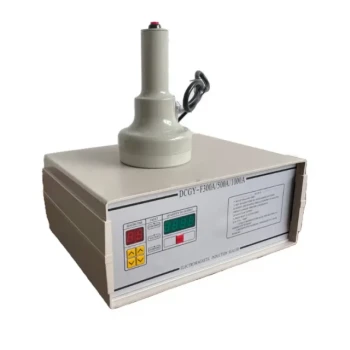
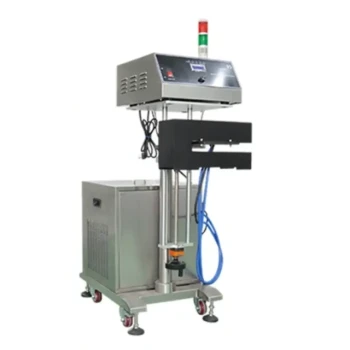
For specific applications, such as sealing bottles with foil, electromagnetic induction is used. This process does not rely on contact heating elements.
Instead, it generates an electromagnetic field that heats a foil layer inside the cap. This causes the sealant to melt and adhere securely to the container's rim without direct physical contact with a heating bar.
Understanding the Trade-offs
Material Compatibility Constraints
No single sealing mechanism works for every material. A machine designed for heat sealing plastic pouches may not be effective for induction sealing glass jars.
You must ensure the mechanism is customized to the specific thermal properties of your packaging material. Mismatched materials can lead to weak seals or melted packaging.
The Balance of Speed vs. Integrity
There is an inherent trade-off between production speed and seal quality. Applying heat and pressure requires a specific "dwell time" to ensure a secure bond.
If the machine runs too fast, the seal may be incomplete, leading to leaks. Conversely, excessive dwell time can scorch the material or damage the product inside.
Making the Right Choice for Your Goal
- If your primary focus is extending shelf life: Prioritize a mechanism capable of creating a hermetic, airtight seal to block oxygen and moisture completely.
- If your primary focus is consumer safety: Choose a system that supports tamper-evident sealing, such as induction sealing with foil liners.
- If your primary focus is versatility: Look for a machine with customizable heat and pressure settings that can adapt to different packaging materials and thicknesses.
The effectiveness of your packaging is ultimately defined by the integrity of the seal, making this mechanism the most crucial investment for product protection.
Summary Table:
| Feature | Role/Function | Primary Benefit |
|---|---|---|
| Airtight Barrier | Blocks oxygen, moisture, and dust | Prevents spoilage and degradation |
| Product Freshness | Locks in flavor, aroma, and stability | Maintains high quality and shelf life |
| Tamper-Evidence | Provides visual proof of original seal | Enhances consumer safety and trust |
| Heat & Pressure | Fuses materials at a molecular level | Creates strong, leak-proof closures |
| Induction Sealing | Uses electromagnetic fields for foil liners | Contactless, high-speed safety sealing |
Maximize Your Product Protection with HONESTBEE
At HONESTBEE, we understand that a perfect seal is the difference between a premium product and a logistical failure. As a specialist partner for commercial apiaries and distributors, we provide more than just equipment—we deliver end-to-end reliability.
Our comprehensive wholesale range includes:
- Advanced Machinery: From precision honey-filling machines to automated hive-making equipment.
- Professional Tools: A full spectrum of beekeeping hardware and essential industry consumables.
- Cultural Merchandise: Unique honey-themed retail items to expand your brand's reach.
Whether you are scaling your honey production or stocking a distribution network, our high-performance sealing solutions ensure your products remain as fresh as the day they were harvested.
Ready to elevate your packaging standards? Contact us today to explore our wholesale offerings!
Related Products
- Automatic Continuous Heat Sealing Machine
- Handheld Induction Sealing Machine for Tamper Evident Packaging
- Professional Water Cooled Induction Sealing Machine for Bottles and Containers
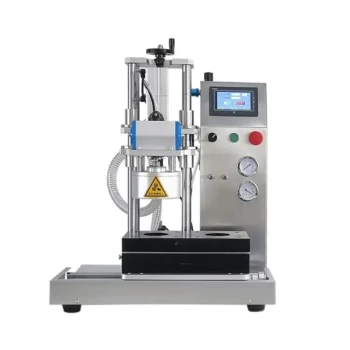
- Semi-Automatic Vacuum Capping Machine with Pneumatic Control for Glass Jars
- Professional Durable Customizable Blister Packing Machine
People Also Ask
- How is a heat sealer used in the production of honey sticks? Master the Art of Leak-Proof Sealing
- What is a sealing machine called? Choose the Right Heat Sealer for Your Packaging
- How do I choose a heat sealer? A Guide to Matching the Right Machine to Your Needs
- What is the function of sealing machines? Ensure Product Integrity and Extend Shelf Life
- What is a sealing machine? Protect Your Product Quality and Brand Reputation