A solvent extraction instrument utilizing the Randall method serves as a precision tool for efficient solid-liquid separation, specifically targeting the isolation of waxes and resins from propolis. This equipment automates and strictly controls the critical phases of immersion, washing, and solvent recovery to maximize extraction efficiency using ethyl acetate while preserving the chemical stability of the final extract.
The instrument transforms raw propolis into a high-quality extract suitable for nanostructured lipid carriers (NLC) by rigorously controlling the extraction environment. It ensures that essential lipid materials are isolated efficiently without degrading the sensitive compounds found in the resin.
The Mechanics of the Randall Method Extraction
Precise Control of Process Parameters
The fundamental role of the instrument is to provide exact control over three distinct operational stages: immersion, washing, and solvent recovery.
By automating these phases, the equipment eliminates manual inconsistencies.
This ensures that the propolis is exposed to the solvent for the exact duration required to maximize yield without over-processing.
Optimized Solvent Interaction
The instrument is specifically configured to utilize ethyl acetate as the extraction medium.
During the immersion phase, the solid propolis is submerged in boiling solvent, allowing for rapid solubilization of lipid materials.
The subsequent washing phase rinses the sample to retrieve any remaining target components, ensuring that both waxes and resins are fully extracted from the matrix.
Ensuring Component Stability
A critical function of the instrument is preserving the integrity of the bioactive components.
The controlled environment prevents the degradation of the propolis extract.
This stability is a strict prerequisite for the downstream preparation of nanostructured lipid carriers (NLC), which require high-purity, stable starting materials.
Understanding Operational Trade-offs
Solvent Specificity Limitations
The Randall method described relies specifically on ethyl acetate to achieve the desired extract profile for NLCs.
While other methods (such as Soxhlet extraction) might employ solvents like hexane for general dewaxing, the instrument must be compatible with the specific polarity and boiling point of ethyl acetate to succeed in this specific application.
Sensitivity to Time Parameters
The efficiency of the instrument is entirely dependent on the user's programming of the specific extraction times.
If the immersion time is too short, the solvent may not fully penetrate the propolis matrix, leaving valuable resins behind.
Conversely, incorrect recovery times can lead to inefficient solvent recycling, increasing the overall cost of the process.
Making the Right Choice for Your Goal
To apply this extraction method effectively, align the instrument's capabilities with your specific end-product requirements:
- If your primary focus is NLC preparation: Prioritize the use of ethyl acetate and strictly monitor temperature stability to ensure the extract is suitable for lipid carrier formation.
- If your primary focus is process efficiency: Leverage the instrument's automated solvent recovery phase to minimize waste and reduce the total time per batch compared to continuous cycle methods.
The Randall method offers a balance of speed and precision, providing a pathway to high-quality propolis extracts through rigorous procedural control.
Summary Table:
| Stage | Function in Randall Method | Benefit for Propolis Extraction |
|---|---|---|
| Immersion | Submerges sample in boiling ethyl acetate | Rapidly solubilizes resins and lipid materials |
| Washing | Rinses the sample matrix | Ensures maximum yield by retrieving residual components |
| Recovery | Distills and recycles the solvent | Reduces waste and lowers operational costs |
| Control | Precise automation of time/temp | Preserves chemical stability for NLC applications |
Elevate Your Propolis Processing Efficiency with HONESTBEE
Are you looking to scale your propolis extraction or optimize your production of nanostructured lipid carriers? At HONESTBEE, we specialize in supporting commercial apiaries and distributors with professional-grade solutions. From high-precision extraction machinery to a full spectrum of beekeeping tools and industry consumables, we provide the hardware and expertise needed to maximize your yield and product quality.
Our value to your business includes:
- Specialized Machinery: Advanced hive-making, honey-filling, and extraction equipment.
- Comprehensive Wholesale: A one-stop shop for all beekeeping hardware and consumables.
- Expert Support: Tailored solutions for large-scale commercial operations.
Ready to upgrade your facility? Contact us today to explore our wholesale offerings!
References
- Yuly Ximena Correa-González, Claudia Elizabeth Mora‐Huertas. Colombian propolis as starting material for the preparation of nanostructured lipid carriers. DOI: 10.1016/j.bjp.2019.03.001
This article is also based on technical information from HonestBee Knowledge Base .
Related Products
- 8 Frame and 10 Frame Propolis Trap Collector Screen for Propolis Collection
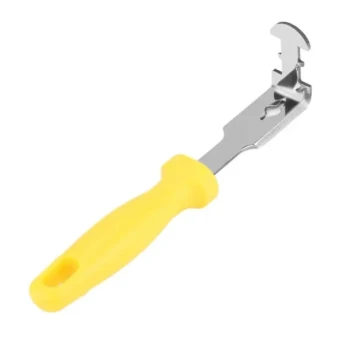
- Heavy Duty Stainless Steel Frame Cleaner with Plastic Handle
People Also Ask
- Why is a specific wooden frame required when installing a propolis screen? Optimize Your Propolis Harvest Efficiency
- What are the advantages of using propolis collector screens? Elevate Your Harvest to Pharmaceutical Purity
- How do propolis collection screens work? Discover material specs for commercial harvesting equipment
- How does the mesh size of a propolis collection screen influence the efficiency of propolis harvesting? Optimize Yields!
- How do commercial-grade plastic screens compare to custom fine-mesh screens? Maximize Your Propolis Yield & ROI