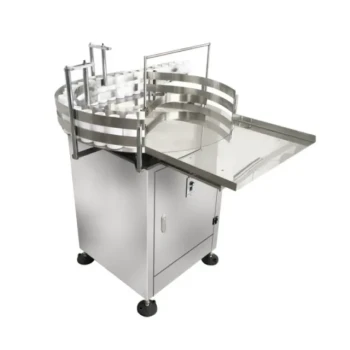
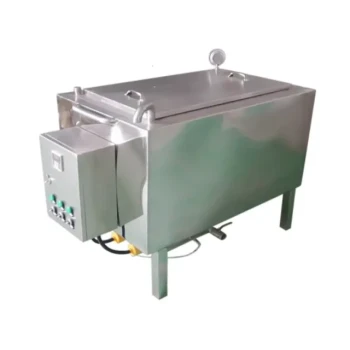
The primary role of an industrial rotary evaporator in the propolis extraction process is to concentrate diluted leaching solutions into a potent paste or powder by rapidly removing solvents. By utilizing a combination of heating, rotation, and reduced pressure, the equipment recovers the solvent (typically ethanol) while maintaining the structural integrity of the extract.
Core Takeaway The industrial rotary evaporator solves the conflict between efficient solvent removal and the preservation of delicate compounds. By operating under vacuum to lower boiling points and utilizing rotation to create a thin evaporation film, it concentrates propolis without the high heat that destroys its therapeutic value.
The Mechanics of Gentle Concentration
The extraction of propolis involves dissolving the raw material in a solvent, such as ethanol. To turn this liquid into a usable product, the solvent must be removed. The rotary evaporator achieves this through two distinct mechanical advantages.
Lowering the Boiling Point
The evaporator operates under reduced pressure (vacuum conditions). This lowers the boiling point of the solvent significantly.
For example, while ethanol typically boils at 78°C at atmospheric pressure, a vacuum allows it to boil and evaporate at much lower temperatures, often around 50°C. This allows for rapid concentration without subjecting the propolis to extreme thermal stress.
The Thin-Film Effect
The "rotary" aspect of the machine is critical for efficiency. As the flask rotates, the liquid extract is spread across the inner walls of the vessel.
This rotation creates a continuous thin film, drastically increasing the surface area exposed to the heat source. This maximizes evaporation speed, reducing the overall time the bioactive ingredients spend inside the machine.
Preservation of Bioactive Compounds
The chemical complexity of propolis makes it highly susceptible to damage during processing. The rotary evaporator is specifically chosen to mitigate these risks.
Protecting Heat-Sensitive Components
Many of the most valuable components in propolis, specifically flavonoids and phenolic compounds, are thermosensitive.
Standard boiling methods would degrade these compounds, reducing the therapeutic quality of the final product. The low-temperature operation of the rotary evaporator ensures these bioactive markers remain intact in the final paste or powder.
Preventing Chemical Oxidation
Beyond heat damage, propolis components can degrade through oxidation. This is particularly true for specific diterpenoids, such as labdane-type diterpenes.
The vacuum environment removes air from the system, while the rapid processing time minimizes exposure to oxidative factors. This ensures the chemical stability and authenticity of the extract for analytical or commercial use.
Critical Operational Factors
While highly effective, the use of an industrial rotary evaporator requires careful management of specific variables to ensure success.
Monitoring Vacuum Stability
The efficiency of the process relies entirely on maintaining a stable vacuum. If the pressure fluctuates or rises, the boiling point of the solvent increases.
This forces the operator to increase the bath temperature to maintain evaporation rates, which defeats the purpose of the machine and risks degrading the heat-sensitive extract.
Managing Extract Viscosity
As the solvent evaporates, the propolis solution transforms from a liquid leaching solution into a thick paste or dry powder.
This change in state can lead to handling difficulties. As the mixture becomes more viscous, heat transfer becomes less uniform. Operators must monitor the final stages of evaporation closely to prevent the residue from adhering too strongly to the flask walls or overheating once the liquid buffer is gone.
Making the Right Choice for Your Goal
When integrating an industrial rotary evaporator into a propolis processing line, prioritize your settings based on the final product requirements.
- If your primary focus is Maximum Bioactivity: Prioritize the strongest possible vacuum setting to keep the bath temperature as low as possible (ideally below 50°C).
- If your primary focus is Process Efficiency: Maximize the rotation speed to ensure the thinnest possible film, which significantly accelerates solvent recovery rates.
Summary: The industrial rotary evaporator is the linchpin of high-quality propolis production, enabling the transition from raw solution to concentrated extract without compromising the biological activity that gives the product its value.
Summary Table:
| Feature | Mechanical Function | Benefit for Propolis Extraction |
|---|---|---|
| Vacuum System | Lowers solvent boiling point | Prevents thermal degradation of sensitive compounds |
| Flask Rotation | Creates a continuous thin film | Increases evaporation surface area and processing speed |
| Ethanol Recovery | Condensation & collection | Enables cost-effective solvent reuse for commercial apiaries |
| Temperature Control | Precision water/oil bath | Protects delicate phenolic and labdane-type diterpenes |
| Oxidation Control | Airless environment | Minimizes chemical degradation for higher extract stability |
Elevate Your Propolis Production with HONESTBEE
At HONESTBEE, we understand that commercial apiaries and distributors require precision to maintain the therapeutic integrity of their products. Our high-performance industrial rotary evaporators are engineered to bridge the gap between efficiency and quality, ensuring your propolis extracts remain potent and pure.
From advanced honey-filling machines to a comprehensive spectrum of beekeeping tools and industrial consumables, we provide the end-to-end equipment solutions your business needs to scale. Ready to optimize your extraction line?
Contact Our Experts Today to discover how our wholesale machinery can enhance your production value.
References
- Ibrahim H. Alfahdawi. Potential Indication of Propolis in Treatment of Oral Infection for Denture Wearers. DOI: 10.15226/jdodt.2015.00146
This article is also based on technical information from HonestBee Knowledge Base .
Related Products
- Heavy Duty 12V Oxalic Acid Evaporator Vaporizer for Bee Varroa Mite Treatment Beekeeping Fumigator Atomizer
- Commercial Rotary Honey Filling Machine for Production
- Precision Durable Efficient HONESTBEE Rotary Honey Filling Machine
- Automated Rotary Bottle Unscrambler for Honey Production Line
- Adjustable Formic and Acetic Acid Dispenser for Bee Mite Treatment
People Also Ask
- How can oxalic acid treatment be applied effectively when capped brood is present? Master the 3-Stage Vapor Protocol
- What are the main advantages of using oxalic acid vaporization for Varroa mite control? Achieve 90%+ Efficacy Safely
- What is the process of using an oxalic acid vaporizer? A Step-by-Step Guide to Safe Varroa Control
- How can oxalic acid vaporization be used effectively in a hive that contains brood? Master Multi-Stage Mite Control
- Why is it necessary to control varroa mite infestations? Protect Your Colony with Oxalic Acid Vaporizers