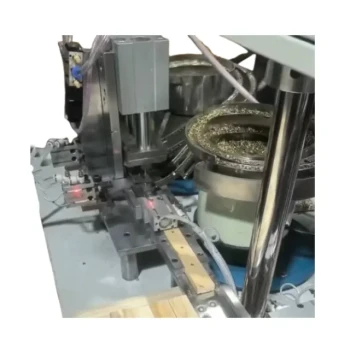
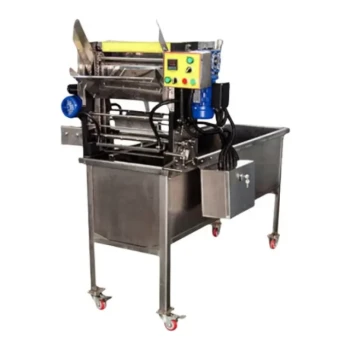
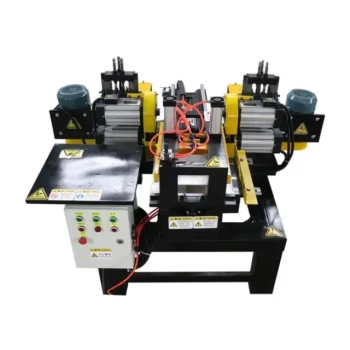
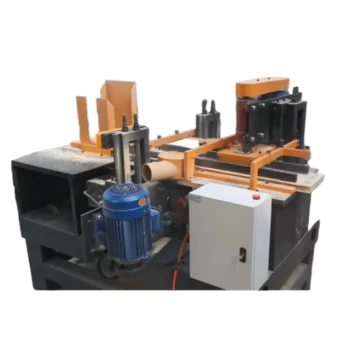
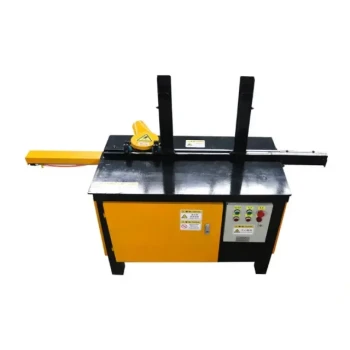
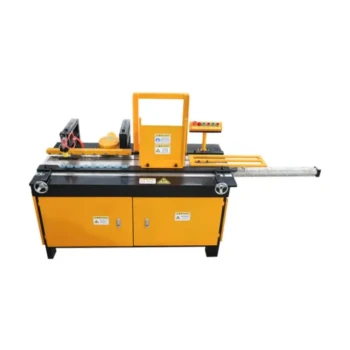
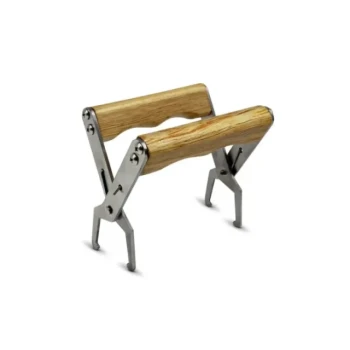
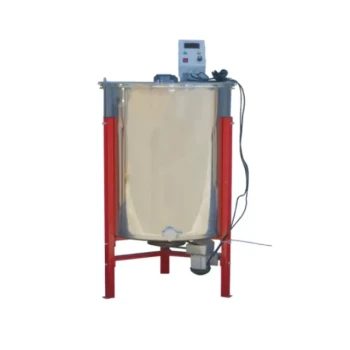
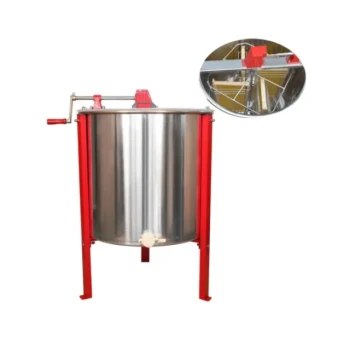
Automated frame-turning devices serve as critical mechanical actuators within a precision beekeeping ecosystem. Functioning based on data-driven recommendations from decision-support systems, these devices automatically rotate nest frames 180 degrees at specific intervals. This physical intervention is designed to actively suppress swarming instincts and manage pests without the need for constant human interference.
Precision beekeeping relies on these devices to translate digital insights into physical action. By mechanically inhibiting queen cell construction and disrupting parasite growth, they allow for high-level colony management with significantly reduced manual labor.
The Mechanics of Precision Intervention
Integration with Decision-Support Systems
These devices do not operate in isolation; they act as the "hands" of a broader precision framework.
They receive commands based on algorithmic recommendations derived from hive data. This ensures that frame rotation occurs only when necessary or most effective, rather than at random.
Simulating Manual Techniques
The core function of the device is the 180-degree rotation of nest frames.
This movement mimics specific manual management techniques used by expert beekeepers. By automating this rotation, the system applies consistent physical management that might otherwise be too labor-intensive to perform manually.
Impact on Swarm Management
Inhibiting Queen Cell Construction
The primary biological impact of rotating the frames is the inhibition of queen cell construction.
Bees typically build these cells to raise new queens in preparation for swarming. The orientation change disrupts this process, effectively checking the colony's reproductive expansion.
Reducing Swarming Intent
By preventing the successful creation of queen cells, the device directly reduces the colony's swarming intent.
This keeps the colony population intact and focused on production rather than division, maintaining hive strength throughout the season.
Role in Pest and Labor Management
Physical Parasite Control
Beyond swarm management, these devices assist in the physical control of parasites, such as Varroa mites.
While the primary reference notes this occurs "in some instances," the mechanical rotation disrupts the environment required for these pests to thrive. This offers a non-chemical method for maintaining colony health.
Reducing Manual Inspections
A major benefit of this automation is the significant reduction in manual hive inspections.
Because the device handles critical management tasks like swarm prevention and pest disruption, beekeepers can disturb the hive less frequently. This reduces stress on the colony and lowers labor requirements for the apiarist.
Understanding the Trade-offs
Dependence on System Accuracy
Because these devices act as actuators based on external recommendations, their effectiveness is entirely dependent on the quality of the decision-support system.
If the monitoring data or the algorithm is incorrect, the mechanical intervention may occur at suboptimal times. The device is only as intelligent as the system guiding it.
Mechanical vs. Biological Limits
While effective at specific tasks, mechanical rotation is a physical intervention, not a biological cure-all.
It assists in management but does not replace the need for occasional expert assessment of colony health. Reliance on automation should not lead to total abandonment of visual observation.
Making the Right Choice for Your Goal
To determine if automated frame-turning fits your apiary management strategy, consider your primary objectives:
- If your primary focus is Swarm Prevention: Utilize these devices to maintain consistent, mechanical inhibition of queen cells without daily manual checks.
- If your primary focus is Efficiency and Labor Reduction: Deploy this technology to minimize physical hive inspections while maintaining proactive control over Varroa mites and colony behavior.
Automated frame-turning bridges the gap between digital monitoring and physical beekeeping, turning data into actionable colony protection.
Summary Table:
| Feature | Function in Precision Beekeeping | Key Benefit |
|---|---|---|
| Mechanical Actuation | 180-degree frame rotation | Inhibits queen cell construction |
| Swarm Management | Disrupts reproductive instincts | Maintains colony strength & population |
| Pest Control | Non-chemical physical intervention | Disrupts Varroa mite growth cycles |
| System Integration | Driven by DSS data algorithms | Reduces unnecessary manual inspections |
| Labor Efficiency | Automates repetitive hive tasks | Lowers operational costs for large apiaries |
Revolutionize Your Apiary with HONESTBEE Precision Tools
Maximize your colony productivity and minimize labor-intensive manual inspections with HONESTBEE. As a premier provider for commercial apiaries and distributors, we offer a comprehensive wholesale range of cutting-edge beekeeping machinery and essential consumables.
From automated hive-making and honey-filling machines to specialized beekeeping hardware, our solutions are designed to help you scale efficiently. Whether you are looking to equip a large-scale operation or stock high-demand equipment for your distribution network, we deliver the quality and reliability you need to succeed.
Ready to upgrade your beekeeping framework? Contact us today to explore our wholesale catalog and expert solutions!
References
- Aleksejs Zacepins, Egils Stalidzāns. Challenges in the development of Precision Beekeeping. DOI: 10.1016/j.biosystemseng.2014.12.001
This article is also based on technical information from HonestBee Knowledge Base .
Related Products
- Automatic Pneumatic Bee Frame Machine for Eyelet Insertion
- Automatic Honey Frame Uncapper Machine for Beekeeping
- Semi-Auto Bee Frame Assembly and Stapling Machine for Bee Frame
- Mini Desktop Bee Hive Frame Forming Making Machine
- HONESTBEE Top Bar & Bottom Bar Forming Machine | Bee Frame Machine
People Also Ask
- How does a bee frame making machine work? A Guide to Automated Metal Frame Production
- What are the qualities of the bee frame forming machine? Durable, Efficient, and Built to Last
- What are the advantages of using automated assembly tools for large-scale beehive frame production? Boost Efficiency
- What is the purpose of Frame Assembly Machines in beekeeping? Boost Apiary Efficiency and Durability
- What is the function of frame assembly machines? Automate Your Frame Prep for Maximum Efficiency