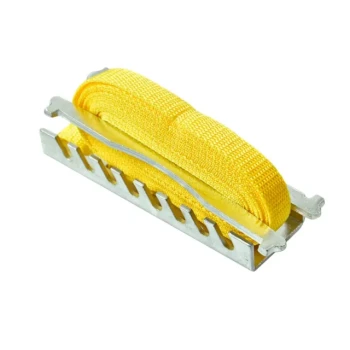
Heavy-duty beehive transport equipment functions as the critical logistical bridge between commercial pollination contracts and honey production cycles. These specialized machines allow apiarists to rapidly migrate colonies across geographic distances, capitalizing on different crop blooms while ensuring the hive remains populous enough to transition from pollination duties to honey collection.
The core purpose of this equipment is to manage the seasonal and spatial gaps between service types. By minimizing transit stress, specialized machinery ensures that a colony survives the rigors of travel with sufficient vitality to perform effective pollination and subsequently produce a surplus of honey.
Bridging the Geographic and Seasonal Gap
Enabling Rapid Deployment
Commercial apiaries often face a disconnect between where pollination services are needed and where honey flows occur. Specialized transport machinery enables the rapid migration of colonies to close this gap.
This speed is essential for meeting the narrow blooming windows of specific crops, such as rapeseed. Without efficient transport, colonies cannot be deployed quickly enough to capture the peak pollination period.
Supporting Dual-Revenue Operations
The viability of a dual-purpose apiary relies on the condition of the bees upon arrival. The transport equipment ensures the colony completes its pollination tasks and remains healthy enough to shift immediately into honey supply mode.
Preserving Colony Health During Transit
Mitigating Environmental Stressors
Transport is inherently hazardous for bees due to mechanical vibrations, jolting, and heat accumulation. Successful long-distance migration requires equipment designed with specialized ventilation and fixation systems.
Reducing Mortality Rates
The primary goal of this equipment is to minimize bee stress and mortality. If a colony suffers significantly during transit, it will lack the population density required for effective pollination or subsequent honey production.
Maintaining Pollination Activity
Properly stabilized and ventilated transport ensures that bees retain high levels of pollination activity immediately upon reaching target locations, such as commercial orchards.
Logistical Efficiency and Capacity
Optimizing Load Capacities
The efficiency of transport is dictated by the equipment's ability to accommodate specific hive configurations. The external dimensions of the hives interact directly with the vehicle's capacity.
The Impact of Hive Configuration
A standard dual-axle flatbed truck illustrates this logistical variability. It can typically transport 160 double-story brood chamber hives (including honey supers).
However, utilizing single-story brood chamber configurations increases this capacity to approximately 240 units. This allows for a denser deployment of pollination units per trip.
Standardization Aids Logistics
While not part of the vehicle itself, the use of standardized, industrially manufactured hives complements heavy-duty transport. Uniform components allow for secure stacking and interchangeability, simplifying the loading process for large-scale operations.
Understanding the Trade-offs
Configuration vs. Colony Strength
Choosing between single-story and double-story transport configurations involves a trade-off between logistical volume and colony resources.
Transporting single-story hives allows for 50% more units per truck, maximizing pollination coverage. However, double-story hives provide more space for brood and stores, which may be necessary for robust honey production immediately following the move.
Mechanical Risks
Even with specialized equipment, the physiological impact of transit cannot be fully eliminated. Beekeepers must balance the need for speed against the risk of vibration-induced stress, which can weaken the colony regardless of the equipment quality.
Making the Right Choice for Your Goal
To optimize your operation, align your equipment usage with your primary revenue driver:
- If your primary focus is maximizing pollination contracts: Prioritize transport configurations that accommodate single-story hives to increase the total unit count per vehicle (up to 240 units) for rapid, high-volume deployment.
- If your primary focus is immediate honey production: Utilize double-story configurations (approx. 160 units) to transport stronger, resource-rich colonies that can transition instantly from travel to honey collection.
Invest in transport solutions that prioritize ventilation and stability, as the profitability of both pollination and honey production depends entirely on the survival and vigor of the transported colony.
Summary Table:
| Feature | Single-Story Configuration | Double-Story Configuration |
|---|---|---|
| Capacity (per Truck) | Approx. 240 Units | Approx. 160 Units |
| Primary Goal | High-volume pollination coverage | Immediate honey production surplus |
| Colony Strength | Standard pollination vitality | High resource & brood capacity |
| Best For | Meeting narrow bloom windows | Transitioning to honey flow cycles |
| Key Benefit | Maximum logistical density | Minimized post-transit recovery |
Scale Your Apiary Operations with HONESTBEE
Transitioning between pollination contracts and honey production requires more than just bees—it requires industrial-grade reliability. At HONESTBEE, we specialize in supporting commercial apiaries and distributors with a full spectrum of professional-grade beekeeping tools and heavy-duty machinery.
From hive-making and honey-filling machines to durable hardware and essential consumables, we provide the infrastructure necessary to reduce colony stress and maximize your logistical efficiency. Whether you are expanding your fleet or stocking a distribution network, our comprehensive wholesale offering is designed to grow your business.
Ready to optimize your production? Contact us today to explore our wholesale solutions!
References
- Antoine Champetier, Daniel A. Sumner. Marginal Costs and Likely Supply Elasticities for Pollination and Honey. DOI: 10.1093/ajae/aaz045
This article is also based on technical information from HonestBee Knowledge Base .
Related Products
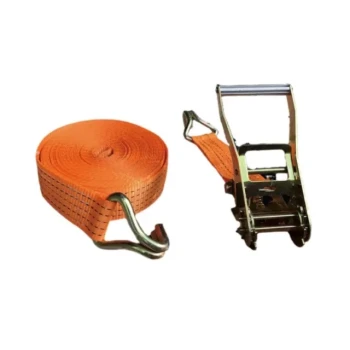
- Heavy Duty Ratchet Hive Strap
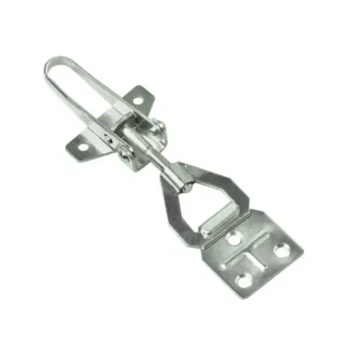
- Heavy Duty Adjustable Hive Connector
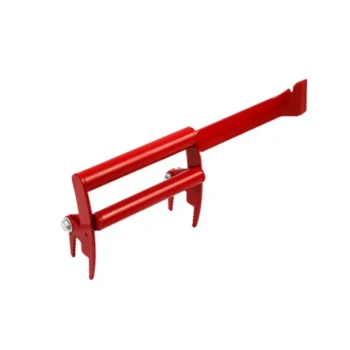
- Heavy-Duty Lever-Action Frame Grip with Hive Tool
- Heavy-Duty Ergonomic Grip Galvanized Pollen Shovel
- Plastic Transporting Bee Packages and Nuc Boxes for Beekeeping
People Also Ask
- Why is the use of ratchet straps or high-strength ropes necessary for hive protection? Secure Your Colony Now
- What are the two styles of hive straps? Choose the Right Strap for Your Hive Security
- What maintenance do hive straps require? Keep Your Hives Secure with Simple Care Tips
- How should hive straps be stored? Prevent Tangles & Extend Strap Life
- What is the best choice for hive straps? Ratchet vs. Cam Buckle for Your Apiary