Industrial precision scales do not directly measure Varroa mite resistance; their primary role is to rigorously quantify colony productivity and strength through total honey yield. While they do not count mites, these scales provide the essential performance data needed to validate that bees selected for genetic resistance are still commercially viable and economically productive.
Core Insight: Successful breeding programs require two datasets: biological resistance and economic output. Industrial scales provide the objective metric for the latter, allowing researchers to correlate honey production with molecular-level "kinome" markers to ensure resistant bee breeds remain profitable.
The Role of Scales in Genetic Validation
Quantifying Economic Output
The primary function of industrial precision scales in this context is to measure the total honey yield harvested from a colony.
Using the "weighing method," these scales provide an objective, undeniable metric of a colony's strength. This distinguishes high-performing colonies from those that may survive infestation but fail to produce surplus honey.
Correlating Phenotype with Genotype
Scales bridge the gap between physical performance and genetic potential.
By precisely quantifying honey production, researchers can perform correlation analysis with molecular-level kinome markers. This validates whether a specific bee breed possesses both the biological markers for resistance and the physical capacity for commercial production.
Monitoring Daily Colony Health
Beyond seasonal yield, high-precision scales record 24-hour weight fluctuations.
These fluctuations indicate daily foraging capacity and feed consumption rates. While not a direct measure of Varroa load, sudden anomalies in weight data can serve as early warning signs of declining health, theft, or predator attacks.
Distinguishing Resistance Tools from Production Tools
Tools for Direct Resistance Evaluation
To accurately evaluate Varroa resistance, breeders use specialized tools distinct from scales.
Hygienic behavior monitoring tools identify colonies with the innate ability to detect and remove infected brood. Simultaneously, sticky boards and sugar roll testers are used for the quantitative assessment of parasitic mite loads.
The Role of Scales in the Ecosystem
Scales act as the "economic auditor" in a breeding program.
While hygienic tools facilitate the artificial selection of bees with superior genetic traits (such as grooming or mite biting), the scales ensure these traits do not come at the expense of honey production.
Understanding the Trade-offs
The "Resistance Cost" Fallacy
A common pitfall in breeding is selecting solely for hygiene or resistance, resulting in bees that survive but do not thrive.
If you rely only on mite counts (using sticky boards) without weighing honey yield, you risk propagating a colony that is resistant but economically worthless. Scales prevent this by enforcing a performance standard.
Data Context is Critical
Weight loss alone is not a specific indicator of Varroa infestation.
As noted in the supplementary data, weight anomalies can indicate winter feed consumption, robbing by other bees, or large animal attacks. Therefore, weight data must always be cross-referenced with specific mite load data for an accurate diagnosis.
Making the Right Choice for Your Goal
To build a robust Varroa evaluation program, you must match the tool to the specific metric you need to capture.
- If your primary focus is reducing chemical interventions: Prioritize hygienic behavior monitoring tools to identify and breed bees that naturally remove infected brood.
- If your primary focus is commercial viability: Rely on industrial precision scales to validate that your resistant stock maintains high honey yields and foraging capacity.
- If your primary focus is immediate treatment decisions: Use sticky boards or sugar rolls to get an immediate quantitative count of the phoretic mite load.
Summary: Precision scales validate the economic worth of genetic resistance, ensuring you breed a bee that is not just a survivor, but a producer.
Summary Table:
| Metric Type | Tool Used | Purpose in Varroa Management |
|---|---|---|
| Economic Output | Industrial Precision Scales | Quantifies total honey yield and colony strength |
| Mite Load | Sticky Boards / Sugar Rolls | Direct quantitative assessment of parasitic infestation |
| Genetic Traits | Hygienic Monitoring Tools | Identifies innate ability to remove infected brood |
| Daily Vitality | Precision Scale Monitoring | Tracks 24-hour foraging capacity and feed consumption |
| Genetic Validation | Kinome Marker Analysis | Correlates molecular resistance with physical performance |
Elevate Your Commercial Apiary with HONESTBEE
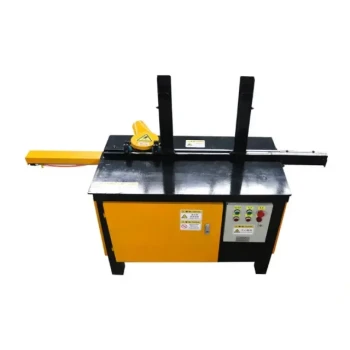
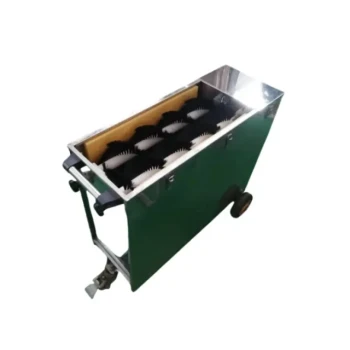
Are you a commercial apiary or distributor looking to balance honey production with colony health? HONESTBEE provides the professional-grade tools you need to build a more resilient and profitable operation. From industrial precision scales for yield validation to specialized hive-making and honey-filling machinery, we supply the full spectrum of equipment and consumables tailored for the industry.
Ensure your resistant bee stocks are also your top producers. Contact us today to explore our wholesale beekeeping solutions and see how our hardware and industry expertise can drive your success.
References
- A.J. Robertson, Scott Napper. Kinome Analysis of Honeybee (Apis mellifera L.) Dark-Eyed Pupae Identifies Biomarkers and Mechanisms of Tolerance to Varroa Mite Infestation. DOI: 10.1038/s41598-020-58927-2
This article is also based on technical information from HonestBee Knowledge Base .
Related Products
- Professional Wide Blade Honey Scraper for Beekeeping and Honey Processing
- HONESTBEE 15-in-1 Beekeeper Multi-Tool with Hammer and Pliers for Beekeeping
- Ergonomic Plastic Frame Spacer Tool for Rapid Hive Management Beekeeping
- HONESTBEE Classic Pry Bar Hive Tool with High Visibility Finish for Beekeeping
- HONESTBEE Bee Frame Grooving Machine | Precision Slotting for Bee Frame Making
People Also Ask
- What tools and machinery are essential to resolve common operational constraints such as equipment shortages and improper honey harvesting? Discover the complete honey-harvesting equipment lineup for commercial apiaries and distributors.
- How does environmental temperature control influence the efficiency of honey scraping equipment? Optimize Your Flow
- What operational considerations are critical during honey harvesting, and how do specialized honey processing tools add value to the final product? Optimize Quality and Yield
- What are the core functions of a honey processor? Master Moisture Control and Purification for Quality Honey
- What are the technical requirements for beekeeping equipment used in the production of comb honey compared to filtered honey?