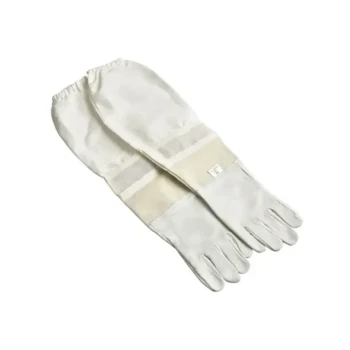
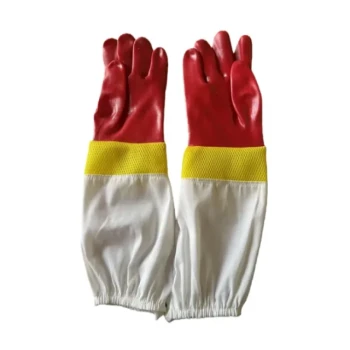
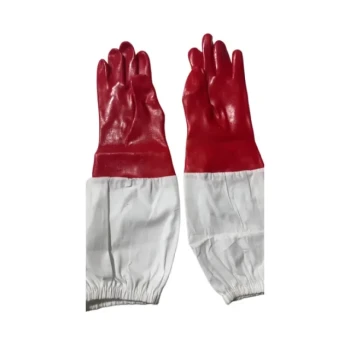
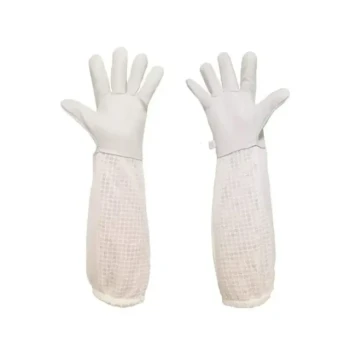
Protective beekeeping gloves serve as a critical barrier designed to shield the hands and arms from stings while facilitating hive management. These gloves are manufactured from a variety of materials including canvas, leather, rubber, and goatskin, and often feature ventilated sections to prevent overheating during use.
Core Takeaway Beyond simple physical protection, beekeeping gloves function as a psychological safeguard; by reducing the fear of stings, they prevent the nervous, shaky movements that often provoke defensive reactions from the colony.
The Strategic Role of Protection
Building Operator Confidence
For beginners, the primary function of gloves is to neutralize fear. Bees are highly sensitive to movement and can detect the erratic behavior associated with nervousness.
By removing the immediate threat of pain, gloves allow the beekeeper to move with steady, deliberate calmness. This creates a feedback loop: a calm beekeeper results in calmer bees.
Facilitating Complex Operations
High-quality gloves enable the execution of delicate internal hive tasks.
Operations such as queen rearing or colony integration require focus and precision. By utilizing puncture-resistant materials, beekeepers can perform these high-frequency tasks without the distraction of potential injury.
Material Composition and Features
The Use of Leather and Goatskin
Leather is a standard material for gloves due to its balance of durability and flexibility.
Goatskin, specifically mentioned as a primary material, is favored for being soft yet tough. It provides necessary sting resistance while maintaining enough suppleness to handle frames gently.
Heavy-Duty Options: Canvas and Rubber
For situations requiring maximum durability, gloves may be constructed from canvas or rubber.
These materials offer robust protection against stings and abrasion. However, they are generally thicker, which serves as a heavier barrier between the operator and the hive.
Ventilation for Comfort
Working with hives is physically demanding and often occurs in hot weather.
Many modern gloves incorporate ventilated sections. This prevents the hands and arms from overheating, allowing the beekeeper to work longer and more comfortably.
Understanding the Trade-offs: Protection vs. Dexterity
The Loss of Tactile Feedback
The most significant downside to wearing gloves is the reduction in dexterity and tactile sensitivity.
Thick materials like heavy leather or rubber make it difficult to feel where the bees are. This increases the risk of accidentally crushing bees while moving frames.
The Risk of Alarm Pheromones
When a bee is crushed due to lack of feeling, it releases alarm pheromones.
This scent signals other bees to attack, potentially making the hive more aggressive. Experienced beekeepers often forgo gloves entirely to maximize their dexterity and minimize this risk, relying on their bare hands to sense the bees and avoid crushing them.
Making the Right Choice for Your Goal
When selecting protective gear, consider your current experience level and the specific task at hand.
- If your primary focus is building confidence: Choose leather or goatskin gloves with ventilation to ensure you remain calm and steady without fear of stings.
- If your primary focus is heavy-duty protection: Opt for thick canvas or rubber gloves to provide a maximum physical barrier, accepting that you will lose fine motor control.
- If your primary focus is precision and dexterity: Consider transitioning to thinner nitrile gloves or bare hands once you have mastered calm movement, to prevent accidental bee mortality.
The best protective equipment is the kind that allows you to work safely enough to remain calm, but sensitively enough to respect the bees.
Summary Table:
| Material | Key Features | Best Used For |
|---|---|---|
| Goatskin | Soft, supple, and puncture-resistant | General hive tasks requiring flexibility |
| Leather | Durable and provides a strong barrier | Building confidence for beginners |
| Canvas | Heavy-duty and highly abrasion-resistant | Maximum protection in aggressive colonies |
| Rubber | Waterproof and thick physical barrier | Specialized heavy-duty operations |
| Ventilated Mesh | Breathable and prevents overheating | Working in hot climates for long durations |
Elevate Your Apiary Operations with HONESTBEE
At HONESTBEE, we understand that high-quality protective gear is the foundation of a productive apiary. We cater specifically to commercial apiaries and distributors, providing a comprehensive wholesale selection of professional beekeeping tools, machinery, and essential consumables.
Whether you need precision hive-making machines, honey-filling equipment, or durable protective apparel like goatskin and ventilated gloves, our portfolio is designed to enhance your efficiency and safety. Partner with us to access specialized hardware and honey-themed cultural merchandise tailored for the global market.
Ready to scale your business? Contact us today to explore our wholesale offerings!
Related Products
- Beekeeping Gloves Goatskin Leather with Long Cotton Sleeve for Beekeepers
- Goatskin Leather Beekeeper Gloves with Vent Long Sleeve for Beekeeping Honey Bee Sting Proof Protection
- Goat Skin Leather Bee Sting Proof Beekeeping Gloves with Canvas Sleeve
- Heavy Duty Red Rubber Beekeeping Gloves with Vented Mesh Cotton Sleeves
- Heavy Duty Red Rubber Beekeeping Gloves with Extended Pure Cotton Sleeves for Beekeepers
People Also Ask
- What are the characteristics of the best gloves for beekeeping? Choose Protection & Dexterity
- What are the primary purposes of using beekeeping gloves? Protect Your Hands and Ensure Apiary Hygiene
- What types of gloves are available for beekeeping? Choose the Right Protection for Your Hive
- Why is it important for beekeepers to wear gloves? Essential Safety and Confidence for Hive Management
- Why do some experienced beekeepers opt not to wear gloves? Discover the Benefits of Tactile Precision