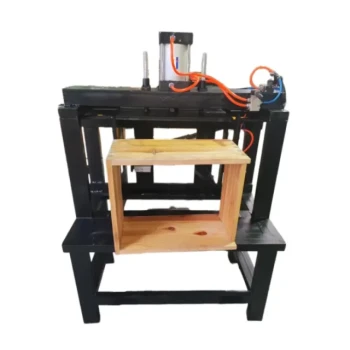
The primary role of standardized beehive equipment in large-scale improvement programs is to function as a control variable, ensuring that environmental factors do not skew genetic data. By providing a uniform living and production space, this equipment effectively reduces non-genetic biases caused by physical differences between hives.
Core Takeaway Standardization creates a baseline of identical conditions, allowing breeders to isolate genetic performance from environmental noise. This ensures that superior traits—such as high propolis yield and disease resistance—are the result of genuine genetic advantages rather than superior housing conditions.
The Science of Genetic Selection
Eliminating Environmental Bias
In any breeding program, the physical environment introduces variables that can mimic or mask genetic traits. Standardized equipment ensures that every colony occupies a space with uniform physical structures and precise dimensions.
By removing discrepancies in hive construction, breeders significantly reduce non-genetic biases. This isolation of variables is the only way to attribute performance differences directly to the bee's genetics.
Validating Performance Metrics
Accurate evaluation of a colony requires apples-to-apples comparisons. Under identical housing conditions, breeders can reliably measure specific performance indicators such as propolis yield and quality.
This consistency extends to health metrics, specifically disease resistance. When the physical stress of the hive environment is constant across all colonies, survivability can be correctly attributed to the colony's immune response and hygienic behavior.
Operational Consistency and Data Rigor
Ensuring Research Comparability
Beyond breeding, standardization is critical for scientific research involving multi-stressor impacts. Uniform material quality and structures eliminate environmental variables that would otherwise corrupt experimental data.
This rigor ensures high comparability between field data and simulation results from mechanistic models. It allows researchers to trust that observed changes in colony dynamics are due to the stressors being tested, not the hive itself.
Global Data Analysis
Standardized survey tools provide uniform metrics for measuring loss rates and management practices. This is essential for analyzing data across different regions and timeframes.
By using consistent data collection instruments, researchers can identify global risk factors. This includes analyzing how floral resource availability and climate impacts affect bee populations on a macro scale.
Supporting Advanced Breeding Techniques
Precision in Reproduction
High-precision equipment, such as grafting needles and controlled-environment queen rearing systems, is essential for the reproduction process. These tools ensure the standardization of the biological procedures themselves, not just the housing.
This technical consistency supports the successful selection and expansion of elite bee breeds. It plays a decisive role in improving traits like environmental resilience and foraging efficiency.
Controlling Genetic Backgrounds
Honey bee artificial insemination technology utilizes precision micro-operation equipment to bypass the uncertainties of natural mating. This allows for exact control over the genetic background of the offspring.
This technology is a critical tool for optimizing specific traits, including honey production and disease resistance. It enables the industry to achieve sustainable breeding by ensuring verified genetic lines are propagated.
Understanding the Trade-offs
The Necessity of Industrial Precision
The benefits of standardization rely entirely on the quality of the upstream supply chain. Industrial-grade manufacturing is required to utilize mechanization effectively and produce truly identical hives.
If the manufacturing process lacks rigor, "standardized" equipment may still possess minor structural variations. These subtle discrepancies can reintroduce the very environmental variables the program aims to eliminate, compromising the integrity of the genetic data.
Complexity of Implementation
Advanced standardization extends beyond simple wooden boxes to complex tools like automated weighing systems and artificial insemination instruments. These technologies require significant technical expertise and hardware compatibility.
While automated weighing provides high-resolution data on nectar yield and colony stress, it demands a higher level of management proficiency. The shift from traditional beekeeping to data-driven, standardized breeding involves a steep operational learning curve.
Making the Right Choice for Your Goal
To maximize the effectiveness of your improvement program, align your equipment choices with your specific objectives:
- If your primary focus is Genetic Accuracy: Prioritize standardized housing to eliminate physical bias, ensuring that selected colonies possess genuine advantages in propolis yield and disease resistance.
- If your primary focus is Scalability: Invest in industrial-grade manufacturing and automated systems to ensure hardware compatibility for efficient management and honey extraction.
Standardization is not merely a logistical convenience; it is the scientific foundation required to distinguish environmental luck from genetic superiority.
Summary Table:
| Feature | Role in Improvement Programs | Primary Benefit |
|---|---|---|
| Uniform Housing | Acts as a control variable to eliminate physical bias | Isolates genetic performance from environment |
| Standardized Metrics | Enables apples-to-apples performance comparisons | Accurate data on yield and disease resistance |
| Industrial Precision | Ensures identical structures across large-scale apiaries | Reliable field data and research comparability |
| Specialized Tools | Supports artificial insemination and queen rearing | Precise control over genetic backgrounds |
Elevate Your Breeding Program with HONESTBEE Precision Equipment
Standardization is the foundation of genetic superiority. At HONESTBEE, we empower commercial apiaries and distributors with industrial-grade beekeeping tools and machinery designed for scientific rigor and operational efficiency.
Our comprehensive portfolio includes:
- Specialized Hardware: Hive-making and honey-filling machines for seamless scaling.
- Advanced Equipment: High-precision tools for artificial insemination and queen rearing.
- Quality Consumables: A full spectrum of essential supplies for the modern bee industry.
Whether you are refining genetic lines or expanding your distribution network, HONESTBEE delivers the consistency you need to succeed. Contact us today to explore our wholesale solutions and take control of your production standards!
References
- Omar Arvey Martinez, Ademilson Espencer Egea Soares. Melhoramento genético na apicultura comercial para produção da própolis. DOI: 10.1590/s1519-99402012000400006
This article is also based on technical information from HonestBee Knowledge Base .
Related Products
- High-Efficiency Pneumatic Bee Hive Making Machine for Rapid Box Assembly
- Professional Grade Foldable Beehive Handles
- HONESTBEE Professional Mini J-Hook Hive Tool for Beekeeping
- Ergonomic Two Person Foldable Hive Lifter
- Ergonomic Plastic Frame Spacer Tool for Rapid Hive Management Beekeeping
People Also Ask
- How does the introduction of professional beehive-making machinery benefit sustainable beekeeping? Scale Your Apiary
- Why is specialized beehive-making machinery critical for low-defense breeding? Enhance Selection with Precision Tools
- How does the introduction of specialized beehive making machinery contribute to increasing the scale of regional beekeeping industries?
- What is the importance of specialized beehive making machinery in a circular bio-economy? Build Local Sustainability
- Why is specialized beehive-making machinery essential? Scale Your Apiary with Precision Industrial Standards