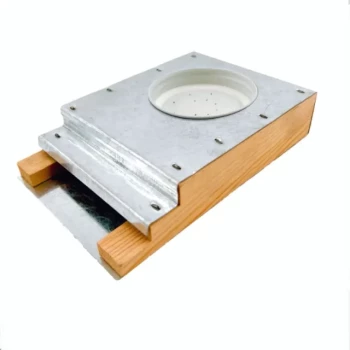
Supplementary bee feed and syrup function as critical artificial interventions that bridge the gap between natural resource availability and the metabolic needs of a honeybee colony. They serve two primary roles: ensuring colony survival during nectar shortages and strategically stimulating the queen’s egg-laying capabilities to maintain a robust workforce.
By simulating natural abundance, supplementary feeding does more than prevent starvation; it acts as a lever to control colony population size and vitality, directly resulting in higher honey yields and ensuring the continuity of the production cycle.
The Mechanics of Colony Stimulation
Bridging Nutritional Gaps
Natural nectar sources are rarely consistent throughout the year. Supplementary inputs are essential during these "dearth" periods to maintain the colony's energy levels.
Without this intervention, a colony’s population can plummet, leading to a breakdown in the production cycle. Consistent feeding ensures the bees have the vitality required to forage effectively once natural blooms return.
Simulating Natural Flows for Population Growth
Bees react biologically to the availability of food. Syrup feeders allow beekeepers to simulate a "nectar flow," which triggers specific biological responses within the hive.
This artificial abundance stimulates the queen to lay eggs and encourages worker bees to ramp up brood-rearing activities. This ensures the colony size remains large enough to handle high-production tasks.
Syrup as a Precision Delivery System
High-concentration syrup is not merely a calorie source; it acts as a liquid vehicle for other necessary nutrients.
It is often used to deliver mineral supplements, such as citrates, ensuring these trace elements are distributed uniformly throughout the hive. This efficient intake supports continuous biological activity and ensures every member of the colony receives the necessary support.
Strategic Timing and Application
Spring: The Production Jumpstart
In early spring, natural food is often scarce, yet the colony needs to expand rapidly. Regulated feeding during this window provides the energy required to nurse the first batch of larvae.
This early nutritional support creates a strong population ready to maximize the harvest when the main honey flow begins.
Autumn and Winter: The Survival Reserve
During late autumn, the focus shifts from expansion to conservation. Liquid syrup provides carbohydrates for heat generation, while protein feed packs supply amino acids.
These inputs allow bees to maintain their body temperature during the cold months and accumulate the physiological energy needed to survive until the following season.
Making the Right Choice for Your Goal
To maximize the effectiveness of supplementary feeding, align your inputs with your specific management objectives:
- If your primary focus is Maximizing Honey Yields: Prioritize feeding in early spring to simulate nectar flow, stimulating the queen to breed a maximum-capacity workforce before the main harvest.
- If your primary focus is Colony Survival: Concentrate on protein packs and carbohydrate syrup in late autumn to build nutrient reserves and help bees generate the heat necessary to survive the winter.
Effective apiary management relies on recognizing that feeding is not just maintenance—it is a strategic investment in the biological momentum of the hive.
Summary Table:
| Feeding Goal | Timing | Input Type | Key Benefit |
|---|---|---|---|
| Population Growth | Early Spring | Liquid Sugar Syrup | Stimulates queen laying; builds workforce |
| Yield Optimization | Pre-Flow | Stimulative Feed | Maximizes foraging strength for nectar flow |
| Winter Survival | Late Autumn | High-Concentration Syrup | Provides carbohydrate reserves for heat |
| Health & Vitality | Dearth Periods | Mineral-Enriched Feed | Prevents population crashes during shortages |
Elevate Your Commercial Beekeeping with HONESTBEE
At HONESTBEE, we specialize in empowering commercial apiaries and distributors with the tools needed for peak productivity. Whether you require specialized hive-making machinery, honey-filling equipment, or a steady supply of essential industry consumables, our comprehensive wholesale portfolio has you covered.
Don't let nutritional gaps limit your production cycle. From advanced hardware to honey-themed cultural merchandise, we provide the expertise and equipment to grow your beekeeping business.
Ready to scale your operations? Contact us today to discover our full spectrum of professional beekeeping solutions!
References
- Olugbenga Omotayo Alabı, Chinwe Edith ANEKWE. Technical efficiency of honey and beeswax production in Kaduna State, Nigeria: Implications for climate and food security sustainability. DOI: 10.17306/j.jard.2023.01706
This article is also based on technical information from HonestBee Knowledge Base .
Related Products
- HONESTBEE Round Hive Top Bee Feeder for Syrup
- HONESTBEE Professional Entrance Bee Feeder Hive Nutrition Solution
- HONESTBEE Entrance Bee Feeder Professional Hive Nutrition Solution for Beekeeping
- HONESTBEE Entrance Bee Feeder Efficient Hive Front Liquid Feeding Solution for Beekeeping
- HONESTBEE Professional Hive Top Bee Feeder Feeding Solution
People Also Ask
- What can the round hive top feeder be used for? A Guide to Efficient, Safe Bee Feeding
- What is the capacity of the round hive top feeder for syrup and pollen? A Guide to Targeted Apiary Support
- What types of hive boxes is the round hive top feeder compatible with? Universal Fit for 8 & 10-Frame Langstroth Hives
- What types of feed can be used with the round hive top feeder? Versatile Feeding for Optimal Apiary Health
- How do you use a top feeder for bees? Expert Guide to Installation and High-Volume Hive Feeding