Supplementary feeding is the primary defense mechanism used to secure honeybee colony survival during periods where natural nectar and pollen are unavailable. Its immediate significance lies in preventing colony collapse due to starvation, bolstering the hive's immune response against seasonal pests, and mitigating the instinct to abscond (abandon the hive) when food reserves run low.
During the "dearth period," a colony's consumption exceeds its natural intake, creating a resource gap that threatens viability. Supplementary feeding does more than just keep bees alive; it bridges this nutritional gap to maintain the colony's reproductive momentum and workforce readiness for the next honey flow.
Ensuring Biological Survival and Stability
preventing Starvation and Absconding
The most immediate risk during a dearth period is the rapid depletion of food stores. Without intervention, this leads to worker bee mortality and eventual colony collapse.
Furthermore, a severe lack of resources often triggers an absconding response. By providing artificial energy supplements, you suppress the migration instinct, ensuring the colony remains in the apiary rather than fleeing to find better forage.
Strengthening Immune Defenses
Malnutrition significantly weakens a bee's ability to fight off disease. The primary reference highlights that proper supplementation strengthens the bees' immune systems.
This is particularly critical for defense against seasonal pests. A well-nourished colony maintains the physical energy and biological resilience required to hygienic behaviors and pest management within the hive.
Maintaining Reproductive Vigor
Stimulating the Queen
Survival is not enough; a colony must maintain its population. Nutritional supplements, particularly proteins (often provided via pollen patties or pea flour), are essential for brood rearing.
This nutritional input signals the queen bee to continue laying eggs. Without this stimulation, the queen may cease egg production during the dearth, leading to a dangerous population crash.
Preserving the Workforce
A consistent food supply ensures the current generation of worker bees remains healthy. It also guarantees that new bees are being reared to replace them.
This continuity creates a sufficient workforce ready to exploit the next nectar flow immediately. If feeding is neglected, the colony will emerge from the dearth period with too few foragers to gather resources efficiently.
Strategic Overwintering and Recovery
Ensuring Overwintering Success
Winter represents the most severe forage dearth. High-quality feed supplements serve as the critical energy source needed to maintain the colony's physiological metabolism during these cold months.
Providing adequate nutrition before and during winter is the single most effective method for ensuring high survival rates.
Establishing Spring Readiness
The goal of feeding is not just winter survival, but spring strength. A colony that is well-fed during the dearth recovers rapidly when the season changes.
This establishes a strong biological foundation. A robust population in early spring leads directly to higher honey yields and more efficient pollination services in the subsequent production season.
Understanding the Trade-offs
Equipment and Management Requirements
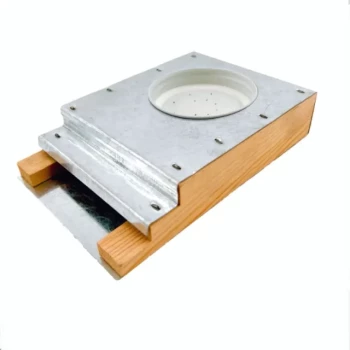
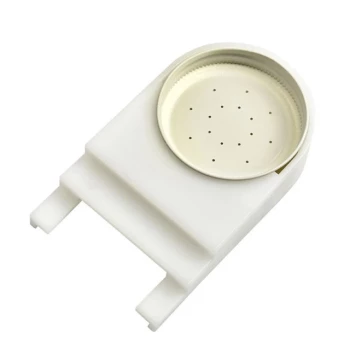
Supplementary feeding requires specialized equipment, such as internal frame feeders or top feeders. These are necessary to deliver high-concentration syrup or protein directly to the core of the hive without inciting robbing from other colonies.
Balancing Artificial vs. Natural Sources
While artificial feeding is critical, it is resource-intensive for the beekeeper. A sustainable long-term strategy involves planting complementary flora that blooms during known dearth gaps.
This acts as a biological reserve. It reduces the reliance on artificial syrup and maintains a better ecological balance within the apiary, though it rarely eliminates the need for emergency feeding entirely.
Making the Right Choice for Your Goal
- If your primary focus is immediate survival: Prioritize high-carbohydrate syrup to maintain energy levels, prevent starvation, and stop the colony from absconding.
- If your primary focus is future productivity: Introduce protein supplements (patties/flour) to stimulate the queen, ensuring a large population is ready for the next nectar flow.
- If your primary focus is long-term sustainability: Combine emergency feeding with the planting of late-blooming flora to create a natural buffer against resource scarcity.
Strategic feeding transforms the dearth period from a crisis of survival into a phase of controlled maintenance and preparation.
Summary Table:
| Key Significance | Primary Benefit | Target Outcome |
|---|---|---|
| Survival & Stability | Prevents starvation and hive absconding | Colony retention and reduced mortality |
| Immune Defense | Strengthens resilience against seasonal pests | Improved hive hygiene and biological health |
| Reproductive Vigor | Stimulates queen laying and brood rearing | Sustained workforce for the next honey flow |
| Spring Readiness | Supports physiological metabolism | Rapid recovery and maximized honey yields |
Maximize Your Apiary's Resilience with HONESTBEE
Supporting your colonies through the dearth period requires more than just feed—it requires the right infrastructure. HONESTBEE specializes in empowering commercial apiaries and distributors with high-performance beekeeping solutions. From internal frame feeders and top feeders designed for precise supplement delivery to advanced honey-filling and hive-making machinery, we provide the full spectrum of equipment needed to maintain hive health and scale your operations.
Whether you are stocking essential consumables or upgrading your industrial hardware, our comprehensive wholesale offering is tailored to your success. Contact us today to optimize your production and secure your colony yields!
References
- Asrat Diriba, Dereje Andualem. Causes of honeybee colony decline in south Ethiopia. DOI: 10.51227/ojafr.2023.39
This article is also based on technical information from HonestBee Knowledge Base .
Related Products
- HONESTBEE Professional Entrance Bee Feeder Hive Nutrition Solution
- HONESTBEE Entrance Bee Feeder Efficient Hive Front Liquid Feeding Solution for Beekeeping
- HONESTBEE Round Hive Top Bee Feeder for Syrup
- HONESTBEE Entrance Bee Feeder Professional Hive Nutrition Solution for Beekeeping
- HONESTBEE Professional Hive Top Bee Feeder Feeding Solution
People Also Ask
- What types of bee feeders are available for beginners? Start with the Simple Entrance Feeder
- What are the advantages and disadvantages of using an entrance feeder for bees? Balance Convenience and Hive Security.
- How does a bee entrance feeder work? A Simple Guide to Convenient Hive Feeding
- What is a bee entrance feeder and what are its drawbacks? Essential Guide to Hive Security and Feeding Efficiency
- How to make an entrance feeder for bees? A DIY Guide for Safe & Effective Feeding