Preserving product integrity through advanced metallurgy is critical for high-volume honey distribution. Using high-grade stainless steel, such as 316L, for containers and piping is the only way to safeguard honey against the chemical risks posed by its natural acidity. This material choice prevents heavy metal leaching, preserves sensory profiles, and ensures full compliance with international food safety standards throughout the supply chain.
High-grade stainless steel acts as a chemically inert barrier that protects honey from heavy metal contamination and moisture absorption. For distributors and wholesalers, this material is the foundation of quality assurance, ensuring the product remains pure, stable, and marketable across global borders.
Preventing Chemical Leaching and Contamination
The Risk of Acidic Corrosion
Honey possesses a naturally low pH, making it acidic and reactive when it comes into contact with non-compliant metals. Traditional materials like aluminum, galvanized steel, or low-quality alloys can undergo chemical erosion, leading to the migration of harmful ions into the product.
Superior Resistance of 316L Stainless Steel
Industrial high-grade stainless steel (316L) offers exceptional corrosion resistance that is essential for honey processing. This material prevents the migration of iron, chromium, or nickel ions, ensuring the honey remains free from secondary heavy metal contamination from the apiary to the final bottling stage.
Eliminating Industrial Pollutants
Using dedicated food-grade stainless steel avoids the risks associated with recycled plastic or iron drums, which can introduce chemical residues. High-specification containers ensure that the honey's physicochemical indicators remain within the strict limits required by international trade markets.
Protecting Sensory Characteristics and Value
Maintaining Flavor and Color Profiles
Non-specialized storage, such as rusted iron drums, can introduce rust and metallic "off-odors" that ruin the honey’s delicate flavor profile. High-grade steel is chemically inert, meaning it does not react with the honey, thereby preserving its natural aroma, color, and enzyme activity.
Preventing Moisture Absorption and Fermentation
Honey is highly hygroscopic, meaning it readily absorbs moisture from the environment. Professional stainless steel systems provide superior hermetic sealing, blocking external humidity that could lead to microbial fermentation and spoilage.
Preservation of Enzyme Activity
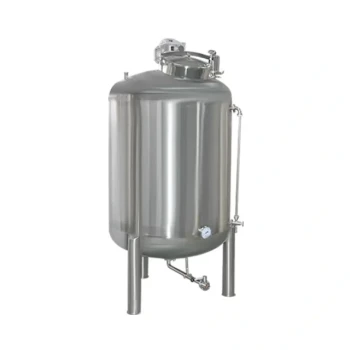
Maintaining stable physical and chemical properties is vital for B2B resellers who must guarantee specific quality grades. Stainless steel storage tanks provide a stable environment that protects the honey’s natural enzymes and prevents unwanted discoloration during long-term storage.
Operational Excellence in Distribution
Ease of Sanitation and HACCP Compliance
Stainless steel surfaces are smooth and non-porous, making them significantly easier to clean and disinfect than other materials. This characteristic is essential for complying with HACCP standards and ensuring rapid, sanitary turnover in high-volume distribution centers.
Durability for High-Speed Logistics
The structural integrity of high-grade steel piping and tanks supports ultra-fast delivery and efficient order fulfillment. Unlike plastic containers that may degrade or leak under pressure, steel infrastructure provides the reliability needed for professional-grade bulk transport.
Professional Industry Expertise
Utilizing premium storage solutions demonstrates deep industry expertise and a commitment to quality. For distributors, providing honey stored in high-grade stainless steel serves as a compliance guarantee, building immediate trust with wholesalers and premium retailers.
Understanding the Trade-offs
Initial Capital Expenditure
High-grade stainless steel involves a higher upfront investment compared to plastic or galvanized alternatives. However, this cost is offset by the material’s longevity and the prevention of batch rejections due to metal contamination.
Logistics and Material Weight
Stainless steel bulk containers are significantly heavier than HDPE (High-Density Polyethylene) alternatives, which can increase shipping costs. Distributors must weigh the superior protection and chemical stability of steel against the weight efficiencies of plastic for short-term transit.
Maintenance and Inspection
While highly durable, stainless steel systems require professional maintenance to ensure seals and joints remain hermetic. Regular inspections are necessary to maintain the high standards required for one-stop sourcing and premium trading services.
Making the Right Choice for Your Goal
As a distributor, your storage and transport infrastructure is a direct reflection of your commitment to product safety and supply chain reliability.
- If your primary focus is international market compliance: Prioritize 316L stainless steel to guarantee zero heavy metal migration and meet the strictest global food safety regulations.
- If your primary focus is rapid order fulfillment: Invest in high-grade stainless steel piping systems that allow for high-speed, sanitary transfers without the risk of cross-contamination.
- If your primary focus is long-term storage stability: Utilize hermetically sealed stainless steel tanks to prevent hygroscopic moisture absorption and maintain the honey's premium sensory characteristics.
By integrating high-grade stainless steel into your infrastructure, you secure a premium product profile that builds lasting trust with your global partners.
Summary Table:
| Feature | Benefit for Honey Quality | Impact on B2B Operations |
|---|---|---|
| 316L Stainless Steel | Prevents heavy metal leaching | Guaranteed international safety compliance |
| Hermetic Sealing | Blocks moisture & fermentation | Long-term stability & reduced waste |
| Non-porous Surface | Easy sanitation & HACCP-ready | Rapid turnover & efficient order fulfillment |
| Chemically Inert | Preserves flavor, color & enzymes | Maintains premium value for high-margin resale |
Scale Your Distribution with HONESTBEE Quality
At HONESTBEE, we understand that for distributors and wholesalers, infrastructure reliability is the foundation of profit. We provide a one-stop sourcing solution for the full spectrum of beekeeping tools, from industrial-grade honey-filling machinery to professional stainless steel storage equipment.
Partner with us to benefit from:
- Deep Industry Expertise: Our products are designed to meet strict international food safety standards.
- Supply Reliability: High-grade materials that protect your batch integrity and prevent costly rejections.
- Efficient Fulfillment: Rapid response times and ultra-fast delivery to keep your supply chain moving.
Ready to upgrade your wholesale offering? Contact our expert team today to discuss OEM/ODM support and bulk equipment solutions tailored to your business needs.
References
- Maciej Kulawik, Przemysław Zalewski. Liquid Gold with a Dark Side—A Toxicological Overview of Bioactive Components in Honey. DOI: 10.3390/molecules30193925
This article is also based on technical information from HonestBee Knowledge Base .
Related Products
- Stainless Steel Honey Storage Tank with Lid for Honey
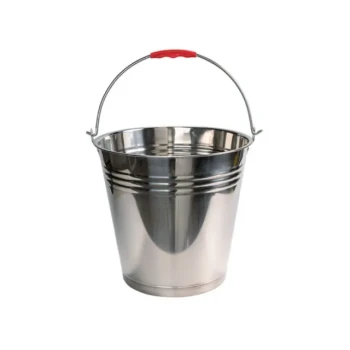
- Premium Stainless Steel Honey Tank Bucket Pail with Reinforced Handle and Polished Finish
- Stainless Steel Honey Storage and Settling Tank with Double Strainer
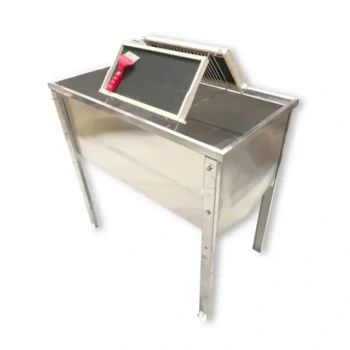
- Stainless Steel Honey Tank Stand for Honey Storage
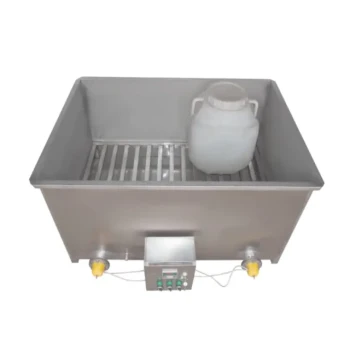
- Heavy Duty Stainless Steel Honey Processing Machine Decrystallizing Tank
People Also Ask
- What economic role do honey storage tanks play? Boost Your Revenue Through Strategic Inventory Management
- What roles do industrial honey storage tanks and filtration meshes play in processing? Ensure Purity & Consistency
- What is the purpose of a honey storage tank? Streamline Your Honey Processing for Quality & Efficiency
- What are honey storage tanks used for? Essential Features for Quality Preservation and Profit
- How do large honey storage tanks and gravity fall filling systems improve honey packaging efficiency and safety?