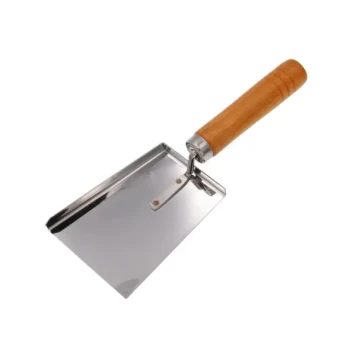
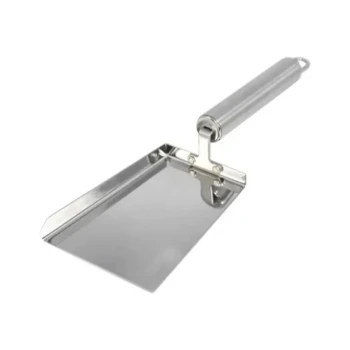
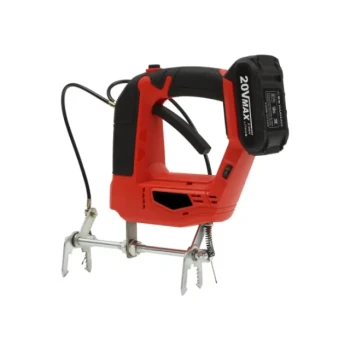
The use of hygiene-grade stainless steel is the definitive standard for safe bee pollen production. Its significance lies in its ability to eliminate the microscopic risks inherent in food processing. By providing a corrosion-resistant and easily cleanable surface, this material prevents the formation of biofilms, ensuring your final product remains free from dangerous levels of molds, yeasts, and bacteria.
Core Takeaway: The choice of equipment material is not merely about durability; it is a biological control measure. Hygiene-grade stainless steel is the only material that reliably prevents cross-contamination and ensures your bee pollen meets strict international safety standards.
Controlling Microbial Risks
The Danger of Biofilms
In food processing, the greatest invisible threat is the formation of biofilms—clusters of bacteria that adhere to surfaces. Hygiene-grade stainless steel prevents this adhesion. Because the surface is non-porous and smooth, it denies bacteria the foothold required to colonize and contaminate your pollen.
Targeting Specific Pathogens
Bee pollen is a raw natural product susceptible to spoilage organisms. Using this specific grade of equipment helps maintain low microbial counts. It effectively minimizes the presence of molds, yeasts, and bacteria that can ruin a batch or endanger consumers.
Material Properties and Maintenance
Corrosion Resistance
Pollen processing environments and rigorous cleaning agents can be chemically aggressive. Hygiene-grade stainless steel is corrosion-resistant, meaning it will not degrade, pit, or rust. This ensures no foreign particulate matter enters the food stream and the surface remains smooth over time.
Ease of Sanitation
To prevent cross-contamination between batches, equipment must be returned to a sterile state quickly. This material is exceptionally easy to clean. Its properties allow for the effective removal of all residues, ensuring that today's production is not contaminated by yesterday's processing.
Understanding the Trade-offs
The Necessity of Protocol
While stainless steel facilitates hygiene, it is not self-cleaning. The material is only as effective as your cleaning regimen. Investing in the equipment without adhering to strict sanitation schedules neutralizes its benefits.
Initial Cost vs. Liability
Hygiene-grade equipment represents a higher upfront capital investment compared to food-grade plastics. However, this cost must be weighed against the risk of product recall. Cheaper materials degrade faster and harbor bacteria, potentially leading to total product loss or legal liability.
Making the Right Choice for Your Goal
To align your processing setup with your business objectives, consider the following:
- If your primary focus is International Export: You must use hygiene-grade stainless steel to comply with rigorous international hygiene and safety standards.
- If your primary focus is Product Shelf-Life: Rely on this equipment to reduce initial microbial loads (yeasts and molds), which directly extends the viability of your packaged pollen.
Investing in the right infrastructure today secures the reputation and safety of your brand for the future.
Summary Table:
| Feature | Hygiene-Grade Stainless Steel Benefit | Impact on Bee Pollen Production |
|---|---|---|
| Surface Texture | Non-porous and ultra-smooth | Prevents biofilm formation and bacterial adhesion |
| Durability | High corrosion and rust resistance | Eliminates risk of metal particulate contamination |
| Sanitation | Compatible with aggressive cleaning agents | Facilitates rapid, total removal of residues and molds |
| Compliance | Meets international food safety standards | Essential for global export and shelf-life extension |
Elevate Your Apiary Operations with HONESTBEE
At HONESTBEE, we understand that for commercial apiaries and distributors, equipment quality is a matter of biological safety and brand reputation. We provide a comprehensive wholesale range of professional beekeeping tools and machinery—from hygiene-grade pollen processing systems to advanced honey-filling machines and specialized hive-making hardware.
Whether you are scaling your production for international export or seeking premium consumables and honey-themed merchandise, our industrial-grade solutions are designed to minimize risk and maximize efficiency.
Ready to secure your production line with the industry's best equipment? Contact our expert team today to discuss your wholesale needs and let HONESTBEE help you meet the highest global standards.
References
- Г. Скрипка, Н. Данкевич. ТОКСИКОЛОГІЧНІ І МІКРОБІОЛОГІЧНІ КРИТЕРІЇ БЕЗПЕЧНОСТІ ОБНІЖЖЯ БДЖОЛИНОГО ТА ПРОПОЛІСУ. DOI: 10.37000/abbsl.2023.109.15
This article is also based on technical information from HonestBee Knowledge Base .
Related Products
- Stainless Steel Pollen Shovel with Wooden Handle
- Heavy-Duty Ergonomic Grip Galvanized Pollen Shovel
- Plastic Bee Pollen Trap Strips Comb Catcher Collector
- 30 cm Plastic Entrance Hole Bee Pollen Trap and Collector
- Heavy-Duty Ergonomic Stainless Steel Pollen Shovel
People Also Ask
- How do bee pollen collection tools affect the quality of bee pollen used in functional dairy ice cream production?
- Why should commercial apiaries focus on the collection of diversified bee products? Maximize Your Hive’s Profit Potential
- How does a specialized pollen collector facilitate the harvesting of diverse bee products? Automate High-Value Yields
- What is the impact of pollen collectors and associated equipment on the cost structure of pollen production? Maximize ROI
- What is the technical significance of using specialized cutting tools for propolis? Master Precision Pollen Harvesting