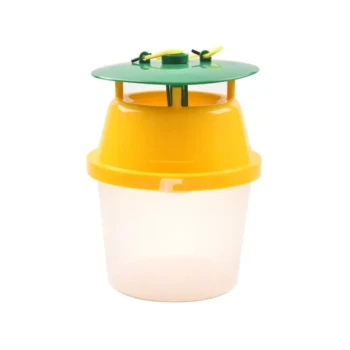
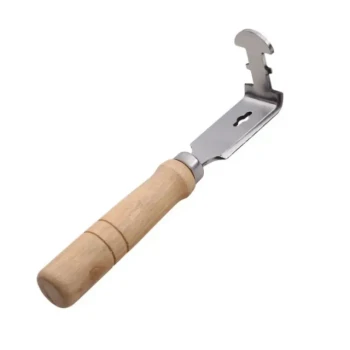
Non-chemical pest control represents a fundamental shift in parasite management, prioritizing mechanical intervention over chemical application. By employing physical techniques such as heat treatment equipment or mechanical traps, operators can effectively suppress parasite populations—specifically Varroa mites—without introducing synthetic residues into the hive or the final product.
The core significance of physical control lies in its ability to reconcile effective pest management with product purity. It is the only pathway to producing high-standard organic honey while simultaneously protecting the biodiversity of the surrounding ecosystem.
Maintaining Product Purity
Eliminating Chemical Residues
The most immediate benefit of using non-chemical equipment is the absolute prevention of contamination. Chemical treatments often leave persistent residues that settle in the hive structure and wax.
Physical control techniques, such as heat treatments, attack the parasite directly without introducing foreign substances. This ensures that the hive environment remains chemically neutral.
Enabling Organic Certification
For producers aiming for the premium market, residue-free management is non-negotiable. High-standard organic honey cannot be produced if the hive is exposed to synthetic miticides.
Utilizing mechanical traps and thermal equipment allows producers to meet stringent organic standards. This equipment renders the "indispensable" service of pest control without compromising the organic integrity of the harvest.
Ecological Stewardship
Protecting Surrounding Biodiversity
Chemical pest control rarely affects only the target species. Run-off or drift can impact beneficial insects and the broader ecosystem surrounding the apiary.
Physical control techniques are inherently contained. By using heat or mechanical barriers inside the hive, you limit the impact strictly to the parasites, such as Varroa mites, safeguarding the biodiversity of the local environment.
Understanding the Trade-offs
Equipment Complexity and Cost
While non-chemical methods offer superior purity, they often require a higher initial investment in specialized gear. Heat treatment equipment is generally more complex and costly than disposable chemical strips.
Operational Demands
Physical control techniques may require more active management. Unlike chemical treatments that are often applied and left alone, mechanical traps and thermal cycles typically demand more precise timing and monitoring to ensure efficacy without harming the host colony.
Making the Right Choice for Your Goal
To determine if physical control techniques are the right approach for your operation, consider your end-product goals.
- If your primary focus is high-standard organic production: Invest in heat treatment equipment and mechanical traps to ensure your honey remains free of chemical residues.
- If your primary focus is environmental stewardship: Adopt physical control methods to manage Varroa mites effectively while preventing harm to the surrounding biodiversity.
By choosing physical control, you prioritize long-term product integrity and environmental health over short-term convenience.
Summary Table:
| Feature | Non-Chemical / Physical Control | Chemical Pest Control |
|---|---|---|
| Residue Level | Zero residues; maintains hive neutrality | High risk of persistent wax/honey contamination |
| Organic Eligibility | Essential for high-standard organic certification | Generally prohibited for organic products |
| Ecological Impact | Targeted; protects local biodiversity | Potential risk to beneficial insects and runoff |
| Investment Type | Higher upfront cost in specialized machinery | Lower initial cost (consumable-based) |
| Primary Methods | Heat treatment, mechanical traps, barriers | Synthetic miticides, chemical strips |
Elevate Your Apiary with HONESTBEE Professional Solutions
Transitioning to physical pest control is a strategic move for serious commercial operations. HONESTBEE empowers commercial apiaries and distributors with the high-performance tools needed to produce premium, residue-free honey. From advanced heat treatment equipment and specialized hive-making machinery to a full spectrum of beekeeping tools and consumables, we provide the hardware necessary for high-standard organic production.
Ready to safeguard your biodiversity and maximize your product’s market value? Contact HONESTBEE today to explore our wholesale machinery and comprehensive beekeeping equipment catalogs.
References
- Yaneth Patricia Romero Álvarez, William A. Niebles. Technological Surveillance Study on the Development of Beekeeping Technologies. DOI: 10.70082/esiculture.vi.1616
This article is also based on technical information from HonestBee Knowledge Base .
Related Products
- Plastic Beetle Blaster Trap Beekeeping Tools and Supplies
- Australian Pine Wood Langstroth Screen Bottom Board for Wholesale
- Adjustable Formic and Acetic Acid Dispenser for Bee Mite Treatment
- Compact Circular Bee Mite Treatment Dispenser
- Professional Reversible Beehive Hive Entrance
People Also Ask
- In what situations is the use of beetle traps particularly recommended? Essential Protection for Vulnerable Bee Hives
- How should beetle traps be placed in the hive? Achieve Perfect Flush Placement for Maximum Control
- How do beetle traps like Beetle Blasters support bee colonies? Protect Your Hives from Destructive Pests
- What are the three main types of hive beetle traps? Expert Solutions for Protecting Your Bee Colonies
- What are the available chemical-free options for trapping hive beetles? Safe and Effective Pest Management Solutions