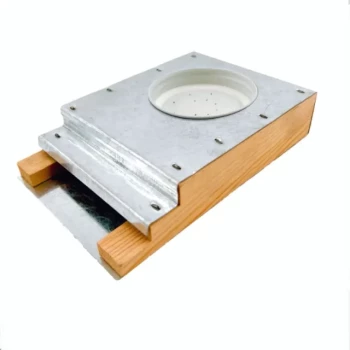
The technical necessity of using auxiliary feeding devices is to bridge the energy gap between colony consumption and natural resource availability. When nectar sources are scarce or weather prevents foraging, these devices deliver essential carbohydrate supplements (syrup) to prevent starvation and colony collapse. More importantly, they maintain the biological rhythm of the hive, ensuring the queen continues egg-laying so a sufficient workforce exists for future nectar flows.
Core Takeaway Auxiliary feeding is not merely a rescue method; it is a strategic defensive measure to maintain apiary assets. By stabilizing the colony's metabolism during dearth periods, you ensure the population remains robust enough to capitalize immediately on the next honey flow.
The Biological Imperative for Supplementation
Preventing Colony Collapse and Absconding
The most immediate technical requirement for auxiliary feeding is preventing mass starvation. The primary reference highlights that without this energy compensation, colonies face reduction or total death.
Furthermore, severe resource stress can trigger absconding behavior, where the bees abandon the hive entirely. Syrup feeding mitigates this risk by artificially stabilizing the colony's food security.
Maintaining the Brood Rearing Cycle
Honey production relies on population momentum. If a colony stops rearing brood due to a lack of nectar, there will be a significant workforce gap weeks later.
Auxiliary feeding stimulates the queen bee to maintain her egg-laying consistency. This ensures that the population of nurse bees and future foragers does not decline, preserving the colony's continuity.
Strategic Applications of Feeding Devices
Ensuring Workforce Readiness for Peak Flow
The ultimate goal of preventing decline is to prepare for the future. By maintaining the population during a dearth, the colony retains the "foraging strength" required to maximize production during the next major nectar flow, such as rapeseed or lychee blooms.
Adapting to Environmental Stressors
Technical necessity extends to weather adaptation. During rainy seasons or extreme cold, bees cannot forage even if flowers are blooming.
Auxiliary devices allow beekeepers to provide high-concentration syrup (often at a 2:1 ratio) to aid overwintering survival. This compensates for the lack of natural pollen and nectar, ensuring vitality when the season changes.
Supporting Migratory Adaptation
For migratory operations, feeding is essential when colonies enter new environments. It helps bees maintain physical health and energy levels while they adapt to the new location and locate fresh nectar sources.
Simulating Nectar Flows for Breeding
In queen breeding contexts, feeding devices serve a specialized technical function. By providing syrup, breeders simulate a natural nectar flow.
This artificial stimulus triggers nurse bees to secrete royal jelly, which is critical for queen cell development, even under non-ideal climatic conditions.
Understanding the Trade-offs
Managing Spoilage and Release Rates
While necessary, feeding introduces variables that must be managed. Specialized devices and mediums (like candy or specific feeder designs) are often required to control the release rate of the nutrients.
Improper feeding mechanisms can lead to food spoilage due to temperature or humidity fluctuations. Using the correct auxiliary device ensures precise delivery without compromising the hygiene of the hive.
Energy Ratios Matter
Not all syrup serves the same technical purpose. A 1:1 mix is generally for stimulation (mimicking nectar), while a 2:1 mix is for survival and winter storage. Misapplying these ratios can fail to meet the specific metabolic needs of the colony at that moment.
Making the Right Choice for Your Goal
To apply this to your apiary management, align your feeding strategy with your immediate objectives:
- If your primary focus is Colony Survival (Winter/Dearth): Use high-concentration syrup (2:1) in your feeders to provide dense carbohydrate energy for metabolism and heat generation.
- If your primary focus is Production Readiness: Feed lighter syrup to stimulate the queen's egg-laying, ensuring a peaked workforce coincides with the start of the natural honey flow.
- If your primary focus is Queen Rearing: Use feeders to simulate a continuous flow, ensuring nurse bees maintain the royal jelly secretion necessary for optimal queen development.
Strategic use of auxiliary feeding turns a potential season of loss into a foundation for future productivity.
Summary Table:
| Strategic Objective | Feeding Ratio (Syrup:Water) | Technical Benefit |
|---|---|---|
| Colony Survival | 2:1 (High Concentration) | Provides dense energy for heat and metabolism during winter or dearth. |
| Production Readiness | 1:1 (Stimulative) | Mimics nectar flow to encourage queen laying and build a large workforce. |
| Queen Rearing | Continuous Flow | Stimulates royal jelly secretion in nurse bees for superior queen development. |
| Migratory Stress | Adjusted per climate | Maintains energy levels during relocation and adaptation to new environments. |
Maximize Your Apiary Assets with HONESTBEE
Don't let nectar shortages or seasonal shifts compromise your commercial beekeeping success. HONESTBEE provides the professional-grade infrastructure needed to bridge the energy gap and maintain hive momentum.
Whether you are a commercial apiary seeking high-efficiency honey-filling machines or a distributor requiring a full spectrum of wholesale beekeeping tools and hive-making machinery, we deliver the specialized hardware and industry consumables you need to thrive.
Ready to scale your production? Contact us today to discover how our comprehensive equipment portfolio can secure your colonies and enhance your yield.
References
- K.A. Fasasi, S. L. O. Malaka. Seasonal Productivity of Colonies of Honeybees, Apis mellitera adansonii (Hymenoptera: Apidae) under Natural Environmental Conditions in Lagos, Nigeria. DOI: 10.36108/nje/5002/22.0140
This article is also based on technical information from HonestBee Knowledge Base .
Related Products
- HONESTBEE Entrance Bee Feeder Efficient Hive Front Liquid Feeding Solution for Beekeeping
- Classic Boardman Entrance Bee Feeder Hive Front Feeding Solution
- Professional Hive Top Bee Feeder for Beekeeping
- HONESTBEE Entrance Bee Feeder Professional Hive Nutrition Solution for Beekeeping
- HONESTBEE Professional Hive Top Bee Feeder Feeding Solution
People Also Ask
- What types of bee feeders are available for beginners? Start with the Simple Entrance Feeder
- What are the advantages and disadvantages of using an entrance feeder for bees? Balance Convenience and Hive Security.
- What is a bee entrance feeder and what are its drawbacks? Essential Guide to Hive Security and Feeding Efficiency
- How does a bee entrance feeder work? A Simple Guide to Convenient Hive Feeding
- How to make an entrance feeder for bees? A DIY Guide for Safe & Effective Feeding