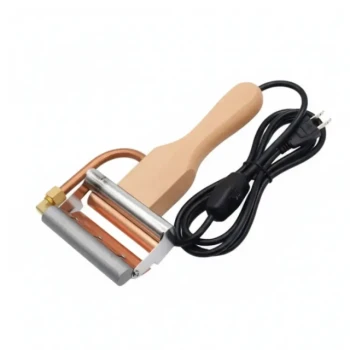
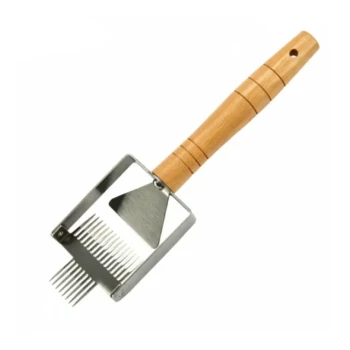
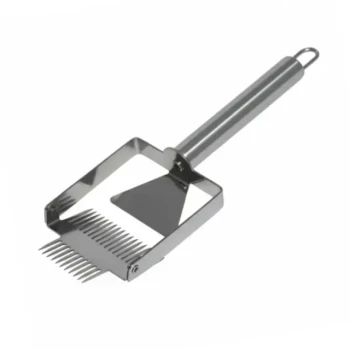
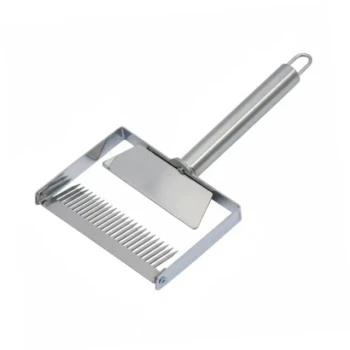
The technical principle behind drone uncapping is targeted biological sampling. Rather than inspecting a hive at random, this method isolates the specific area—drone brood cells—where parasites like Varroa mites are biologically compelled to congregate for reproduction. By focusing inspection efforts on these high-probability zones, beekeepers can identify infestations with far greater sensitivity than general hive examinations allow.
By exploiting the natural reproductive behavior of parasites, drone uncapping transforms pest detection from a random search into a precision diagnostic tool, enabling significantly earlier identification of threats.
The Mechanism of Targeted Sampling
Leveraging Biological Preference
The efficacy of drone uncapping relies entirely on the reproductive instincts of the pest. Parasites, particularly Varroa mites, exhibit a strong biological preference for drone (male) brood cells over worker cells.
Creating a Diagnostic Hotspot
Because pests actively seek out these cells to reproduce, the drone brood acts as a natural "trap" or concentration point within the hive. This biological concentration makes the drone brood a statistically significant sample for the entire colony's health.
Moving Beyond Random Randomization
Traditional inspection methods often rely on random frame checks, which may miss low-level infestations. Drone uncapping replaces probability with predictability, targeting the specific location where the pest is most likely to be found.
Operational Advantages
Enhanced Sensitivity
By inspecting the specific cells where parasites gather, the likelihood of detection increases dramatically. This method can reveal the presence of pests that would remain invisible during a standard visual inspection of adult bees or worker brood.
Critical Early Warning
The primary value of this technical principle is time. Drone uncapping allows for detection at the very onset of an infestation, rather than waiting for the pest population to reach levels visible on the comb surface.
Improving Apiary Efficiency
This targeted approach streamlines the monitoring process. Beekeepers do not need to inspect every frame to assess risk; they can rely on the drone brood as a reliable indicator for the rest of the hive.
Understanding the Trade-offs
Specificity vs. Generalization
While highly effective for pests that prefer drone brood (like Varroa), this method is specialized. It relies heavily on the specific biological behavior of the target pest and may be less effective for pathogens or pests that do not discriminate between drone and worker brood.
The Cost of Intervention
The technique is invasive by design. It requires the physical destruction of the selected drone cells to inspect the contents, which is a necessary sacrifice of a small portion of the hive's population to ensure the survival of the colony.
Making the Right Choice for Your Goal
To effectively utilize drone uncapping as a diagnostic tool, consider your primary objectives:
- If your primary focus is Early Detection: Prioritize drone uncapping during the early season to catch infestations before they spread to the worker population.
- If your primary focus is Inspection Efficiency: Use drone uncapping as a "sentinel" test to quickly assess colony status without performing a full, disruptive teardown of every hive.
Mastering this technique allows you to use the pest's own biology against it, turning a hidden threat into a manageable variable.
Summary Table:
| Feature | Description |
|---|---|
| Core Principle | Targeted biological sampling of high-probability infestation zones |
| Primary Target | Drone brood cells (natural parasite concentration points) |
| Key Advantage | High sensitivity for early-stage pest detection |
| Pest Focus | Varroa mites and parasites with drone-brood reproductive preference |
| Trade-off | Requires physical destruction of a small portion of drone cells |
Secure Your Apiary’s Health with Precision Tools from HONESTBEE
Early detection is the cornerstone of sustainable beekeeping. At HONESTBEE, we empower commercial apiaries and global distributors with the professional-grade tools and machinery needed to manage hive health at scale. From advanced honey-processing lines to specialized hardware and essential consumables, our comprehensive wholesale portfolio is designed to enhance your operational efficiency.
Ready to scale your beekeeping business with a reliable partner?
Contact HONESTBEE Today to explore our full spectrum of beekeeping equipment and industrial solutions tailored for professionals.
References
- Beatrice T. Nganso, Sevgan Subramanian. Honey bee colony losses and causes during the active beekeeping season 2022/2023 in nine Sub-Saharan African countries. DOI: 10.1371/journal.pone.0322489
This article is also based on technical information from HonestBee Knowledge Base .
Related Products
- Stainless Steel Dual Blade Uncapping Plane
- Portable Uncapping Tank Holder Uncapping Bench for Beekeeping
- Automatic Honey Frame Uncapper Machine for Beekeeping
- Professional Multi-Function Uncapping Fork with Integrated Blade for Beekeeping
- Lightweight Plastic Uncapping Roller with Tines
People Also Ask
- How does an uncapping plane work and what is its main feature? Master Precision Harvesting with Adjustable Heat
- What is an uncapping plane, and how does it differ from an electric knife? Precision vs. Speed for Beekeepers
- How does an uncapping plane work? Precision Honey Harvesting with Adjustable Blades for Beekeepers
- What is the advantage of an uncapping plane over an electric knife? Precision Cutting for Less Honey Waste
- What are the features of a stainless steel honey uncapping knife? Unlock a Cleaner, More Efficient Harvest