The removal of queen excluders is a critical winterization step required to prevent the mechanical isolation and subsequent death of the queen. During winter, the honeybee colony functions as a single thermal unit that migrates upward to access food. Leaving a queen excluder in place physically blocks the queen from following this migration, trapping her in the cold, food-depleted lower sections of the hive.
The survival of a winter colony depends on the cluster moving as a cohesive unit toward honey stores. A queen excluder acts as a lethal barrier during this migration, separating the queen from the cluster's heat and food, causing her to freeze or starve while the workers move on without her.
The Mechanics of Winter Survival
The Formation of the Cluster
In response to falling temperatures, honeybees do not hibernate; instead, they form a tight winter cluster. This biological mechanism allows the colony to generate and conserve heat, maintaining a core temperature necessary for survival.
Vertical and Lateral Migration
The cluster is dynamic, not static. As the bees consume the honey stored in the comb, the entire cluster moves—primarily upward and laterally—to reach fresh food reserves. This movement is essential; a cluster that cannot reach food will starve, even if honey is just inches away.
The Lethal Impact of the Excluder
Physical Restriction of the Queen
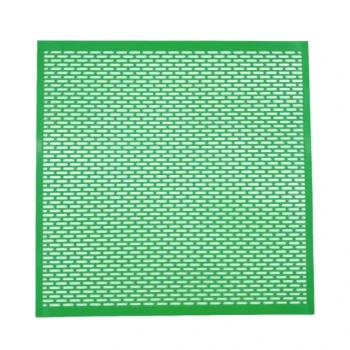
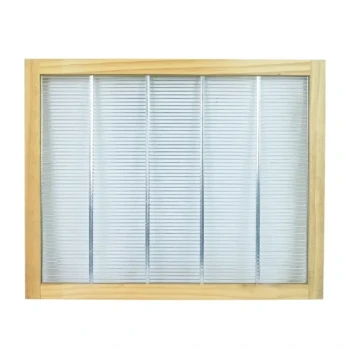
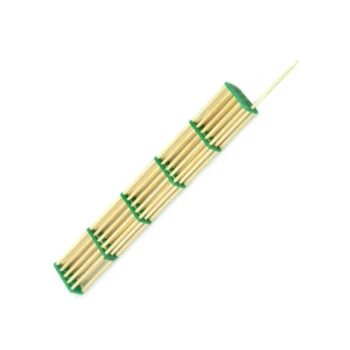
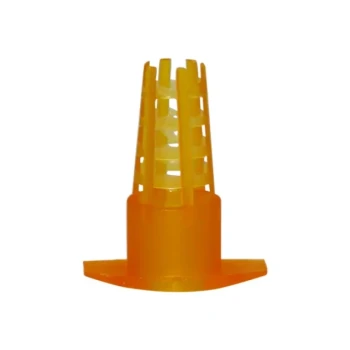
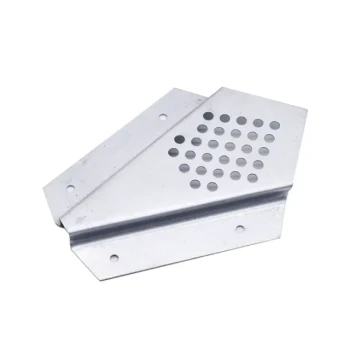
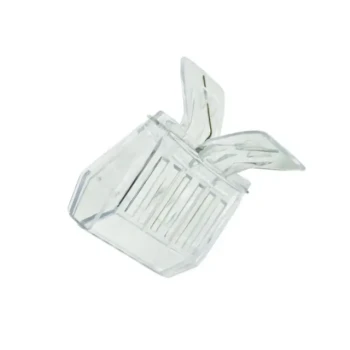
A queen excluder acts as a precise mechanical filter. Its grid spacing is calibrated to allow the smaller bodies of worker bees to pass through while blocking the larger thorax of the queen.
Forced Separation
As the worker bees migrate upward through the excluder to access honey supers, the queen attempts to follow but is physically stopped by the grid. The workers, driven by the instinct to stay with the heat source and food, continue moving upward.
Thermal Isolation and Mortality
Once the cluster moves above the excluder, the queen is left behind in the cold, empty space below. Deprived of the collective body heat of the colony and unable to reach the food stores above, she will rapidly freeze to death or starve, leading to the eventual failure of the entire colony.
Understanding the Trade-offs
Summer Utility vs. Winter Liability
It is important to recognize that the excluder is a tool with a seasonal purpose. During the active season, it effectively confines the queen to the brood chamber, keeping the honey supers free of eggs and larvae.
The Shift in Priorities
In summer, the priority is honey purity and ease of management; the excluder ensures honey yields are not contaminated by brood. In winter, the priority shifts strictly to survival. The benefits of brood separation are rendered irrelevant by the existential threat of separating the queen from the cluster.
Ensuring Colony Survival
To ensure your colonies survive the winter intact, integrate the following steps into your fall management routine:
- If your primary focus is Overwintering Success: Remove the queen excluder in late autumn, well before the first hard freeze forces the bees into a permanent cluster.
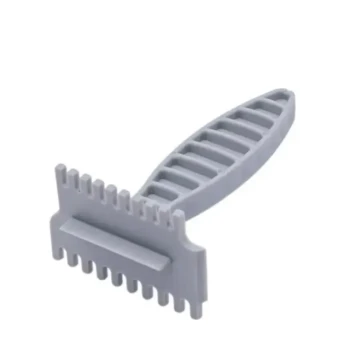
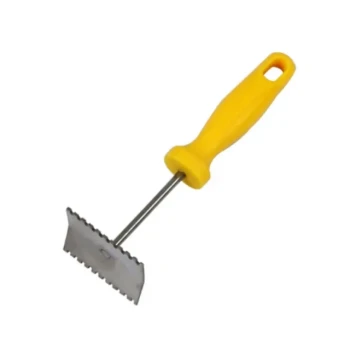
- If your primary focus is Equipment Maintenance: Use the removal of the excluder as an opportunity to scrape off propolis and wax, storing it in a dry place for spring re-installation.
Prioritize the queen's mobility over hive organization during the winter months to ensure a viable colony in the spring.
Summary Table:
| Aspect | Active Season (Summer) | Winter Management |
|---|---|---|
| Primary Goal | Honey Purity & Brood Control | Colony Survival & Heat Conservation |
| Queen Excluder Status | Installed to restrict queen movement | Removed to allow cluster mobility |
| Cluster Behavior | Dispersed for foraging/nursing | Formed into a tight, moving thermal unit |
| Movement Pattern | Lateral across brood frames | Vertical/Lateral toward honey stores |
| Risk Factor | Drone congestion/Reduced airflow | Queen isolation, freezing, or starvation |
Secure Your Apiary’s Success with HONESTBEE
At HONESTBEE, we understand that professional beekeeping requires precision tools and expert knowledge. Whether you are managing a large-scale commercial apiary or supplying the industry as a distributor, our comprehensive wholesale range is designed to support your growth.
We provide everything from high-durability beekeeping tools and advanced machinery—including hive-making and honey-filling machines—to essential consumables and honey-themed cultural merchandise.
Don't let winter losses impact your bottom line. Partner with us for reliable equipment that ensures colony health and operational efficiency.
Contact HONESTBEE Experts Today to discuss your bulk equipment needs and discover how our specialized hardware can elevate your business.
References
- Jamie Ellis, Katherine Hammons. Overwintering Honey Bee Colonies in Northern Climates. DOI: 10.32473/edis-in1006-2013
This article is also based on technical information from HonestBee Knowledge Base .
Related Products
- High Performance Plastic Queen Excluder for Beekeeping and Apiary Management
- Professional Plastic Queen Excluder for Modern Beekeeping
- Lightweight Durable Plastic Queen Excluder Scraper for Beekeeping
- Metal Queen Bee Excluder for Beekeeping
- Premium Wood Framed Metal Wire Queen Bee Excluder
People Also Ask
- What are the characteristics of a plastic queen excluder? Key Benefits for Cost-Effective Beekeeping
- What are the operational and cost advantages of using plastic queen excluders over metal or wire excluders in commercial hive management? Discover how they reduce labor, prevent wing damage, and lower total costs.
- What types of queen excluders are available for beekeepers? Choose the Right Tool for Your Hive
- Why are standardized hive frames and queen excluders essential for maintaining honey purity and quality? Scale Your Purity
- Do plastic queen excluders work? A Cost-Effective Solution for Modern Apiaries