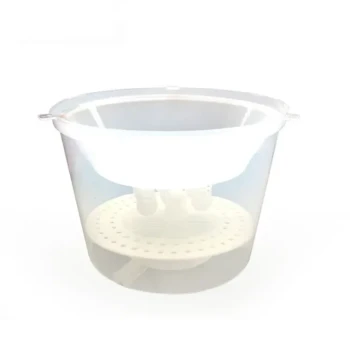
The technical role of a Trapping Comb is to serve as a biological "sink" for parasitic populations.
Functionally, it acts as a physical control consumable that leverages the Varroa mite's innate preference for parasitizing bee larvae—specifically drone brood—to concentrate the mites into a single, manageable location. By inducing the mites to enter these specific cells and waiting for the bees to cap them, the beekeeper can physically remove and destroy the comb, effectively eliminating a significant portion of the reproductive mite population without the use of chemical treatments.
The Trapping Comb operates as a biological baiting device, concentrating mites into sacrificial brood frames to mechanically sever their reproductive cycle, thereby facilitating pesticide-free colony management.
Exploiting Biological Preferences
To understand the technical utility of a Trapping Comb, one must look at the behavior of the parasite it targets.
The Attraction to Larvae
Varroa mites reproduce by entering the brood cells of honeybees just before they are capped.
The Trapping Comb exploits this by providing an abundance of the specific larvae types that mites prefer.
Preferential Targeting of Drone Brood
While the primary reference broadly notes the preference for bee larvae, supplementary data clarifies that Varroa mites find drone (male) brood significantly more attractive than worker brood.
Research indicates that drone cells can be approximately 10 to 12 times more attractive to mites.
Concentration of the Pest
By inserting a specific comb designed to induce the construction of drone cells, the colony is manipulated into creating a "trap."
Because the mites are chemically and biologically drawn to these cells, a large percentage of the colony's mite population will migrate into this specific comb to reproduce.
The Mechanical Control Cycle
The Trapping Comb converts a biological behavior into a mechanical control opportunity.
Induction and Baiting
The process begins by installing the specialized comb or foundation.
This induces the queen to lay unfertilized eggs, creating a high volume of drone larvae that act as live bait for the mites.
Capping and Containment
Once the mites enter the cells to lay their own eggs, the worker bees cap the cells with wax.
At this technical juncture, the mites are physically trapped inside the comb, unable to leave or spread to other bees.
Physical Elimination
The crucial final step is the manual removal of the frame.
The capped comb is taken out of the hive and destroyed (often by freezing or cutting out the wax). This physically removes the trapped mites from the colony ecosystem entirely.
Understanding the Trade-offs
While effective as a chemical-free intervention, the Trapping Comb technique requires precision and resource awareness.
Critical Timing Windows
This method relies on strict adherence to the biological timeline of the bee.
If the beekeeper fails to remove the comb before the drones emerge, the "trap" becomes a "bomb," releasing a massive generation of new mites back into the colony.
Energy Cost to the Colony
Building comb and rearing larvae requires significant energy and protein from the colony.
Continuously destroying this brood means the colony is investing resources that yield no return in workforce, which can slightly impact colony growth rates compared to non-intervention.
Making the Right Choice for Your Goal
The Trapping Comb is a tool for reduction and management, not necessarily total eradication.
- If your primary focus is Chemical-Free Beekeeping: This tool is essential, as it significantly lowers mite loads physically, reducing or eliminating the need for synthetic pesticides.
- If your primary focus is Integrated Pest Management (IPM): Use this method during the active brood-rearing season to keep mite numbers low, potentially delaying the need for stronger treatments until later in the year.
By converting the mite's own reproductive instinct into a mechanism for its removal, the Trapping Comb provides a sustainable path toward verifying and maintaining colony vitality.
Summary Table:
| Feature | Technical Specification / Role |
|---|---|
| Primary Function | Biological baiting & mechanical mite removal |
| Target Pest | Varroa destructor (specifically reproductive phase) |
| Attraction Mechanism | Preferential targeting of drone larvae (10-12x more attractive) |
| Control Method | Physical removal & destruction of capped drone brood |
| Primary Benefit | Enables chemical-free/pesticide-free pest management |
| Critical Success Factor | Precise timing of removal before drone emergence |
Elevate Your Commercial Beekeeping Efficiency with HONESTBEE
Are you looking to implement sustainable Integrated Pest Management (IPM) at scale? HONESTBEE specializes in supporting commercial apiaries and distributors with high-quality, professional-grade beekeeping solutions. From precision-engineered trapping combs and specialized hive-making machinery to high-volume honey-filling systems, we provide the tools you need to maintain healthy, productive colonies.
Our Value to You:
- Wholesale Excellence: Comprehensive supply of tools, machinery, and consumables tailored for large-scale operations.
- Industry Expertise: Specialized hardware and honey-themed cultural merchandise to diversify your portfolio.
- Sustainability Driven: Innovative tools designed for effective biological control and pesticide-free management.
Take your apiary business to the next level with a partner that understands commercial honey production. Contact us today to explore our wholesale offerings!
References
- Cecília Costa, J. Wilde. A Europe-Wide Experiment for Assessing the Impact of Genotype-Environment Interactions on the Vitality and Performance of Honey Bee Colonies: Experimental Design and Trait Evaluation. DOI: 10.2478/v10289-012-0015-9
This article is also based on technical information from HonestBee Knowledge Base .
Related Products
- Plastic Bee Pollen Trap Strips Comb Catcher Collector
- Professional Bent Tine Honey Uncapping Fork with Ergonomic Grip
- Professional Customizable Honey Uncapping Fork with Adjustable Tine Options
- Professional Wide Blade Honey Scraper for Beekeeping and Honey Processing
- Plastic Beetle Blaster Trap Beekeeping Tools and Supplies
People Also Ask
- For what reasons do beekeepers collect bee pollen? Boost Hive Health and Unlock New Revenue Streams
- What are the design principles and advantages of pollen traps in the collection of bee pollen? Boost Your Apiary Yield
- What are the ideal weather conditions for installing a bee pollen trap? Ensure Colony Safety with Expert Timing
- Why is frequent harvesting of bee pollen from traps necessary for quality control? Ensure Freshness and Prevent Mold.
- What are the primary functions of a standard pollen trap in research? Maximize Data Accuracy in Bee Nutrition Studies