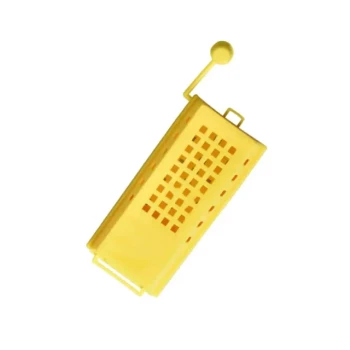
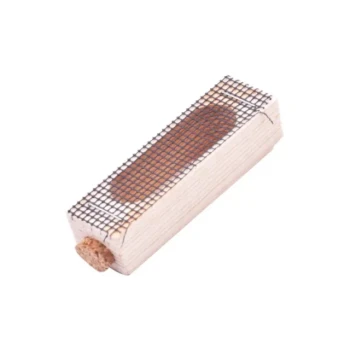
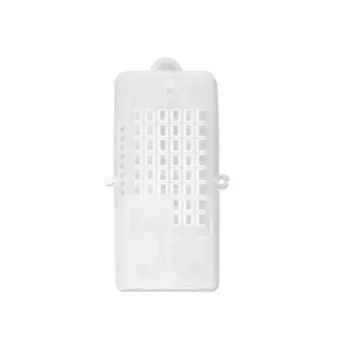
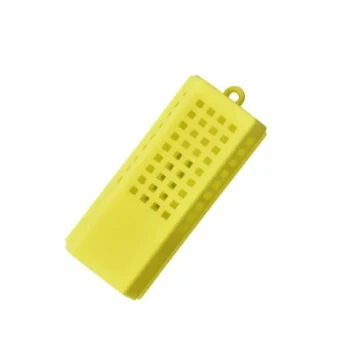
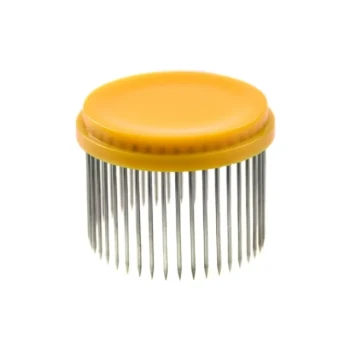
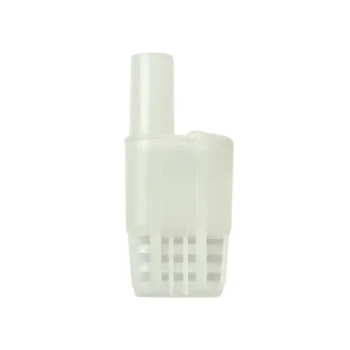
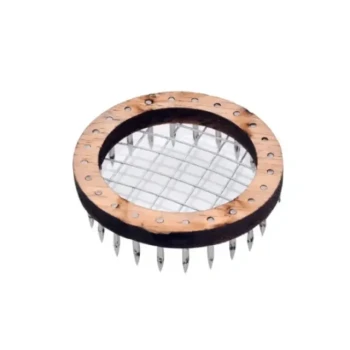
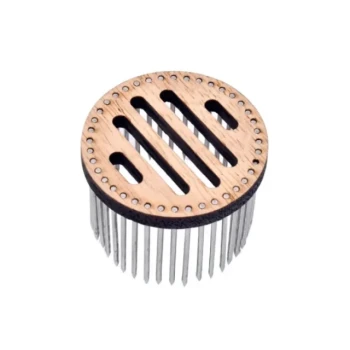
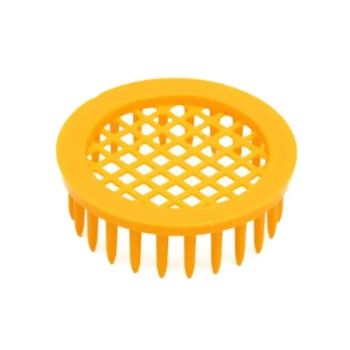
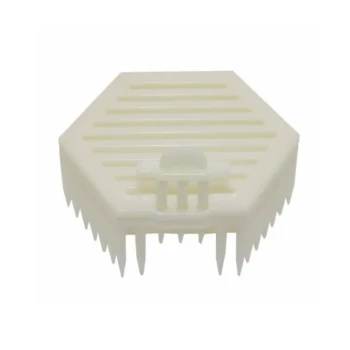
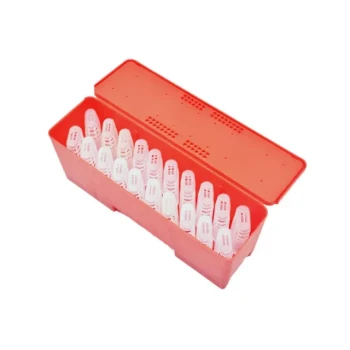
In the context of Varroa management, the queen cage acts as a biological synchronization device. Its primary technical function is to induce an artificial brood interruption by temporarily confining the queen bee. This halts egg-laying, eventually eliminating all capped brood cells and forcing the entire Varroa mite population into an exposed, phoretic state on adult bees.
Core Technical Insight: The queen cage does not kill mites directly; it removes their defensive cover. By eliminating capped brood, the cage forces 100% of the mite population onto adult bees, transforming a complex infestation into a vulnerable target for highly efficient, single-application treatments.
The Mechanics of Artificial Brood Interruption
To understand the technical value of the queen cage, you must understand the limitation of standard treatments.
Breaking the Reproductive Chain
Varroa mites are obligate parasites that require capped brood cells (developing larvae) to reproduce. The queen cage physically prevents the queen from laying eggs.
As the existing brood hatches and no new eggs are laid, the colony eventually reaches a state where there are zero capped cells. Without this medium, the mite reproductive cycle is completely severed.
Forcing the Phoretic Phase
In a standard colony, a significant portion of the mite population is hidden beneath wax cappings, safe from most interventions.
By enforcing a broodless period, the queen cage forces every single mite in the hive into the "phoretic" phase. This means the mites must attach themselves to the bodies of adult worker bees, leaving them fully exposed to the hive environment.
Enhancing Treatment Efficacy
The technical role of the cage is often a precursor to chemical or organic intervention. It prepares the battlefield, so to speak.
Overcoming Physical Barriers
Most "soft" miticides, such as oxalic acid or lactic acid, are contact-based. They cannot penetrate the wax capping of brood cells.
If you treat a colony with brood, the treatment only kills the phoretic mites, leaving the reproducing mites inside the cells untouched. These survivors emerge later to re-infest the colony.
Creating the Optimal Treatment Window
Once the cage has ensured the colony is broodless, the efficacy of a single treatment spikes dramatically.
Because every mite is exposed on an adult bee, a single application of a contact miticide can achieve near-total eradication. This significantly reduces the need for repeated chemical applications or harsh, long-lasting acaricides.
Inducing Reproductive Failure
Secondary research suggests a biological impact beyond simple exposure.
Forcing mites into an extended phoretic phase appears to decrease their reproductive success even after the queen is released. When egg-laying resumes, the surviving mites often exhibit higher rates of sterility, further dampening the population rebound.
Understanding the Trade-offs
While effective, the use of queen cages is a significant intervention that carries specific biological costs.
Colony Growth Momentum
Caging the queen stops the production of new bees.
Depending on the duration of confinement (typically 21-25 days to clear all brood), this can result in a population dip. This technique must be timed carefully to avoid weakening the colony before critical honey flows or overwintering.
Queen Re-acceptance and Stress
Physical confinement can be stressful.
While professional cages are designed with ventilation and space for attendant bees, there is always a risk regarding the queen's condition upon release. Proper re-introduction techniques are required to ensure the colony accepts her and that her laying rate returns to optimal levels.
Making the Right Choice for Your Goal
The queen cage is a tool of precision, best used when you need high efficacy with minimal chemical residual.
- If your primary focus is Maximum Mite Eradication: Combine the caging technique with an oxalic acid treatment during the broodless window to achieve near-zero mite levels.
- If your primary focus is Reducing Chemical Load: Use the cage to interrupt the mite cycle naturally; even without chemical treatment, the reproductive break significantly slows infestation growth.
- If your primary focus is Colony Biomass: Be cautious with this method during early spring buildup, as the pause in brood rearing can stifle necessary population growth.
Summary: The queen cage converts a colony with complex, hidden mite reservoirs into a synchronized system where pests are exposed, vulnerable, and easily managed.
Summary Table:
| Technical Function | Description | Impact on Varroa Mites |
|---|---|---|
| Brood Interruption | Temporarily halts queen egg-laying | Severs the reproductive cycle |
| Phoretic Synchronization | Eliminates capped brood cells | Forces 100% of mites onto adult bees |
| Treatment Optimization | Removes physical wax barriers | Enables near-total eradication with one dose |
| Reproductive Impact | Extends the phoretic phase | Increases mite sterility rates post-release |
Scale Your Apiary Operations with HONESTBEE Precision Tools
At HONESTBEE, we specialize in empowering commercial apiaries and distributors with the professional equipment needed to manage colony health at scale. From specialized queen cages and hive-making machinery to high-efficiency honey-filling systems, we provide the full spectrum of beekeeping hardware and consumables.
Why partner with HONESTBEE?
- Wholesale Expertise: Comprehensive supply chains tailored for large-scale operations.
- Technical Solutions: Durable machinery designed for modern biological control methods.
- Industry-Wide Support: Everything from essential hardware to honey-themed cultural merchandise.
Ready to optimize your production and mite management strategy? Contact us today for wholesale inquiries and expert consultation!
References
- Teresina Mancuso, Monica Vercelli. Total Brood Removal and Other Biotechniques for the Sustainable Control of Varroa Mites in Honey Bee Colonies: Economic Impact in Beekeeping Farm Case Studies in Northwestern Italy. DOI: 10.3390/su12062302
This article is also based on technical information from HonestBee Knowledge Base .
Related Products
- Durable Galvanized Steel Spring Queen Bee Cage
- Professional Queen Cage with Sliding Gate and Feeder Plug
- Classic Wooden and Mesh California Queen Cage
- Professional Queen Bee Introduction and Transport Cage
- Professional Multi-Functional Queen Bee Cage
People Also Ask
- Why are specialized queen bee cages used for the banking of mated queen bees? Maximize Commercial Apiary Storage Efficiency
- What is the mechanism of action for using temporary queen bee cages? Master Successful Queen Introduction
- What is the step-by-step process for installing a queen bee's cage onto a frame? Ensure Hive Acceptance Safely
- What is the optimal placement for a queen bee cage? Essential Strategies for Successful Re-queening
- What are the advantages and disadvantages of introducing a queen bee by embedding the cage? Boost Your Queen Acceptance