The technical significance of using bee-proof enclosures lies in breaking the chain of disease transmission. Used beekeeping equipment often retains honey or wax residues that trigger "robbing behavior," a frenzied state where bees scavenge resources from exposed items. By storing equipment in sealed environments, you eliminate this biological trigger, preventing the spread of pathogens like American Foulbrood and protecting the physical integrity of your gear from environmental decay.
The primary function of a bee-proof enclosure is not merely storage, but active biosecurity. It physically isolates potential pathogen vectors—such as dormant spores on old frames—from healthy colonies, thereby neutralizing a primary route of infection in the apiary.
The Biosecurity Imperative
Preventing the Robbing Reflex
Bees are opportunistic foragers. When they detect accessible honey or wax on idle equipment, it triggers an instinctual robbing response.
This behavior is chaotic and aggressive. It draws bees from various colonies to a single point of contact, creating a high-traffic vector for cross-contamination.
Bee-proof enclosures function as an olfactory and physical barrier. They mask the scent of residues, preventing the initial attraction that leads to this dangerous behavior.
Breaking the Pathogen Lifecycle
The most critical technical advantage of sealed storage is the containment of dormant diseases.
Pathogens such as American Foulbrood (AFB) are notoriously resilient. AFB spores can remain viable and infectious on used equipment for up to thirty-five years.
If a healthy bee accesses contaminated gear during a robbing event, it carries these spores back to its hive. Enclosures effectively quarantine these vectors, ensuring that dormant pathogens act as a dead end rather than a source of new infection.
Excluding Secondary Pests
Beyond bees, exposed equipment attracts other biological threats.
Wax moths, small hive beetles, and rodents are drawn to the protein and carbohydrates found in used combs.
A properly sealed enclosure denies entry to these pests. This maintains a secure biological environment, preserving the comb structure for future use.
Physical Preservation
Mitigating Environmental Degradation
While biosecurity is the primary technical driver, physical protection is equally vital for asset management.
Equipment left exposed to the elements is susceptible to moisture ingress. This leads to wood rot, metal corrosion, and the warping of frames.
Controlling Mold Growth
Supplementary to pest exclusion, proper storage manages the micro-climate around the gear.
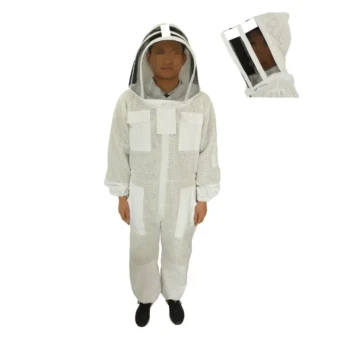
Idle equipment, particularly protecting suits and veils, must be kept dry to prevent mold proliferation.
Storage sheds, barns, or large totes act as a buffer against wet winter conditions. This ensures that fabrics and wood remain structurally sound after long periods of disuse.
Common Pitfalls and Trade-offs
The Moisture Trap
There is a technical trade-off between "bee-proof" and "airtight."
While sealing a container prevents pest entry, it can also trap residual moisture. If equipment is stored wet within a non-breathable plastic tote, it creates an incubator for mold.
The Inspection Deficit
Storing equipment in deep storage often leads to "out of sight, out of mind" negligence.
When gear is sealed away for months, early signs of degradation or pest intrusion (if the seal fails) may go unnoticed.
Regular checks are required even for sealed enclosures to ensure the barrier remains compromised.
Establishing a Secure Storage Protocol
To maximize the lifespan of your equipment and the health of your apiary, apply the following strategies:
- If your primary focus is Disease Control: Prioritize airtight or fine-mesh seals that completely prevent bee entry to stop the spread of AFB spores and robbing behavior.
- If your primary focus is Equipment Longevity: Ensure all gear is thoroughly dried before sealing and store it in a weather-proof structure like a shed to prevent mold and rot.
Effective storage is the first line of defense in apiary biosecurity, turning your equipment from a liability into a secure asset.
Summary Table:
| Technical Feature | Primary Function | Biosecurity Benefit |
|---|---|---|
| Olfactory Barrier | Masks honey/wax scents | Prevents robbing behavior and cross-contamination |
| Pathogen Isolation | Quarantines AFB spores | Breaks the lifecycle of dormant diseases like American Foulbrood |
| Pest Exclusion | Denies entry to moths/rodents | Protects comb integrity and structural assets |
| Climate Buffer | Controls moisture ingress | Prevents wood rot, metal corrosion, and mold growth |
Secure Your Apiary’s Future with HONESTBEE
Protecting your investment starts with professional-grade equipment and storage solutions. HONESTBEE provides commercial apiaries and distributors with the high-performance tools and machinery needed to maintain peak biosecurity and operational efficiency. From heavy-duty honey-filling machines to specialized hive-making hardware and essential industry consumables, our comprehensive wholesale portfolio is designed to help you scale safely.
Ready to upgrade your beekeeping operations? Contact our team today to discuss your wholesale needs!
References
- Robert T. Moriarty. Backyard Beekeeping in the Beehive State: Salt Lake City's Beekeeping Regulations, Nuisance Concerns, and the Legal Status of Honey Bees. DOI: 10.63140/.2ii3q3g3h
This article is also based on technical information from HonestBee Knowledge Base .
Related Products
- Plastic Transporting Bee Packages and Nuc Boxes for Beekeeping
- Wholesales Dadant Size Wooden Bee Hives for Beekeeping
- Australian Langstroth Beehive Boxes for Beekeeping Wholesales
- Wooden Bee Hive Frames for Beekeeping and Wholesale
- Metal Bee Hive Stand Bee Box Stand for Beekeeping
People Also Ask
- What role do bee package boxes play in the commercial transport and expansion of honeybee colonies? - Logistic Essentials
- What are beekeeping boxes called? A Guide to Hive Bodies and Box Types
- How do standardized bee packages serve as a recovery mechanism for commercial beekeeping? Ensure Business Continuity
- What is the commercial value of using standardized bee packages? Drive Scalability in Large-Scale Apiaries
- Why is the timely introduction of high-quality bee packages critical? Save Your Apiary from Asian Hornet Invasions