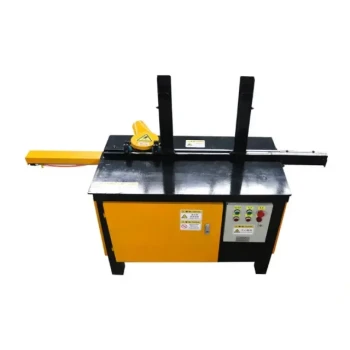
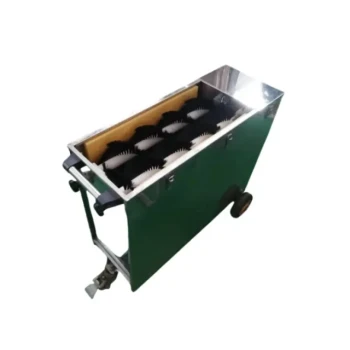
The true value of demonstrating a complete set of beekeeping machinery lies in its ability to translate abstract theory into a tangible operational reality. By showcasing the full spectrum of equipment—from hive-making tools to honey processing units—training sessions provide a comprehensive view of the entire value chain, allowing participants to fully grasp the technical feasibility and requirements of a professional beekeeping project.
Core Takeaway: A comprehensive machinery demonstration does more than display tools; it visualizes the entire production lifecycle. It bridges the critical gap between "knowing" and "doing," proving that scalable, commercial operations are mechanically feasible and operationally efficient.
Bridging Theory and Operation
Visualizing the Full Value Chain
Effective training must move beyond isolated tasks. Demonstrating a full range of machinery allows trainees to understand the entire value chain, starting from colony breeding and moving through to final honey production.
This holistic view is essential for understanding how one stage of production impacts the next. It transforms disjointed lessons into a cohesive operational strategy.
Translating Knowledge to Skills
Theoretical knowledge often fails to account for the physical reality of the job. A comprehensive display serves as a practical bridge, converting classroom concepts into operational skills.
By interacting with the physical equipment, participants gain a realistic understanding of the technical requirements needed to run a project. This helps them assess whether they have the capability to manage the workflow effectively.
Driving Commercialization and Efficiency
Reducing Labor Intensity
Modern beekeeping is physically demanding. The introduction of specialized machinery—such as efficient honey extractors and grafting needles—significantly reduces labor intensity.
Demonstrating these tools shows trainees that beekeeping does not have to be limited by human physical stamina. This realization is often the catalyst for expanding operations.
Enabling Commercial Scale
Machinery is the physical foundation for scaling up. It facilitates the shift from fragmented, household-level production to large-scale, commercialized operations.
Standardized machinery ensures consistent processes. This leads to improved honey collection efficiency and higher hygiene standards, which are prerequisites for entering commercial markets.
The Strategic Advantage of Customization
Adapting to Local Environments
Demonstrating machinery used to manufacture tools (such as hive-making equipment) opens the door to local customization.
Beekeepers can learn to fabricate hives and equipment tailored to specific local environmental characteristics and distinct bee species. This ensures better colony health compared to using generic, mass-produced equipment.
Improving Ergonomics and Durability
Custom-built equipment can be designed for specific operators. This improves ergonomic performance, reducing strain on the beekeeper.
Furthermore, locally manufactured tools can be reinforced for durability based on local usage patterns, collectively leading to higher overall production efficiency.
Understanding the Operational Trade-offs
While modern machinery offers immense value, it introduces new complexities that must be managed.
The Maintenance Requirement
High-efficiency machinery requires a strict maintenance schedule. Moving from manual tools to automated systems trades physical labor for technical maintenance labor. Operators must be prepared to service engines, centrifuges, and electrical components to prevent downtime.
Capital Investment vs. Scale
The cost of a complete machinery suite is significant. For small-scale or hobbyist beekeepers, the Return on Investment (ROI) may not justify the expense of advanced processing equipment. The value of these tools is fully realized only when production volume is high enough to absorb the capital cost.
Making the Right Choice for Your Goal
When evaluating beekeeping machinery during training or procurement, align your focus with your specific operational objectives.
- If your primary focus is education: Ensure the demonstration covers the entire lifecycle to solidify the connection between biological theory and mechanical processing.
- If your primary focus is commercial scaling: prioritize equipment that reduces labor intensity and standardizes hygiene to support high-volume production.
- If your primary focus is environmental adaptation: Look for manufacturing machinery that allows you to fabricate custom hives and tools suited to your specific local climate and bee species.
Success in modern beekeeping depends not just on the bees, but on mastering the mechanical ecosystem that supports them.
Summary Table:
| Key Benefit | Description | Impact on Operation |
|---|---|---|
| Full Value Chain Mastery | Visualizes the process from breeding to honey production. | Converts theory into tangible operational skills. |
| Labor Intensity Reduction | Uses specialized extractors and tools to minimize manual work. | Increases efficiency and allows for operation expansion. |
| Scalability & Standardization | Facilitates the shift from household to commercial production. | Ensures consistent quality and higher hygiene standards. |
| Local Customization | Enables fabrication of hives tailored to local bee species. | Improves colony health and ergonomic performance. |
Scale Your Beekeeping Business with HONESTBEE
At HONESTBEE, we specialize in empowering commercial apiaries and industry distributors with the high-performance tools required to succeed in a competitive market. From specialized hive-making and honey-filling machinery to a comprehensive range of beekeeping consumables and honey-themed merchandise, we provide the full spectrum of equipment needed for large-scale operations.
Ready to modernize your production and maximize efficiency? Contact our expert team today to learn how our wholesale solutions and technical expertise can help you build a professional, scalable beekeeping enterprise.
References
- Agung Sih Kurnianto, Sutikno Sutikno. EVALUASI BEBERAPA MODAL KEBERLANJUTAN DALAM PELATIHAN PETERNAKAN KLANCENG APIS TRIGONA DI DESA SANENREJO, JEMBER. DOI: 10.31764/jpmb.v7i2.14162
This article is also based on technical information from HonestBee Knowledge Base .
Related Products
- HONESTBEE 15-in-1 Beekeeper Multi-Tool with Hammer and Pliers for Beekeeping
- Stainless Steel Queen Grafting Tool for Beekeeping and Bee Queen Grafting
- Stainless Steel J Hook Hive Tool for Beekeeping
- HONESTBEE Professional Mini J-Hook Hive Tool for Beekeeping
- Multi-Function Plier-Style Frame Grip Hive Tool
People Also Ask
- What is the recommended method for storing beekeeping tools? Expert Vertical Storage Solutions for Your Apiary
- How does a favorable microclimate interact with beekeeping tools? Boost Overwintering Success and Equipment Longevity
- Why is the treatment of beekeeping tools with high-concentration chemical disinfectants necessary for preventing AFB?
- Why are specialized beekeeping tools and consumables essential? Enhance Colony Management and Honey Yield Today
- How does the stable local supply of beekeeping tools affect technology adoption? Building Sustainable Apiaries