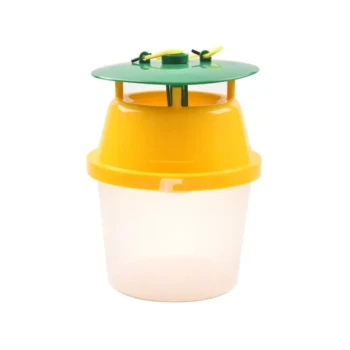
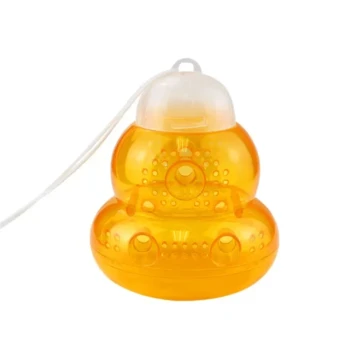
Specialized mite traps act as a diagnostic tool for assessing the defensive capabilities of a honeybee colony. When paired with sticky bottom boards, they collect Varroa mites that have fallen from the bees, allowing for a detailed microscopic examination of the remains. This analysis distinguishes between mites that died naturally and those physically damaged by worker bees, providing a concrete metric for grooming behavior.
The primary value of these traps lies in their ability to quantify the "grooming kill rate." This objective data point allows beekeepers to evaluate internal Varroa resistance and make informed decisions regarding breeding and colony management.
The Mechanics of Evaluation
Microscopic Analysis of Debris
The mere presence of a dead mite does not indicate resistance. To evaluate grooming, technicians must perform a microscopic analysis of the mite remains found on the sticky boards.
Identifying Physical Damage
This examination looks for specific signs of trauma inflicted by worker bees. The key indicators are mites that have been bitten or possess damaged limbs, distinguishing them from mites that died of natural causes.
Quantifying the Kill Rate
By calculating the proportion of damaged mites relative to the total drop, you can determine the colony's grooming kill rate. This converts anecdotal observation into a hard data point regarding the colony's active defense against the parasite.
Implications for Breeding and Research
Standardizing Data Collection
Standardized mite monitoring equipment provides an objective method for quantifying infestation and defense levels. This removes subjective bias when assessing how well a colony manages its parasite load.
Comparative Analysis of Subspecies
These tools allow researchers to directly compare grooming intensity across different honeybee subspecies. For example, the relationship between grooming and mite reduction can be contrasted between Africanized and European honeybees to understand evolutionary advantages.
Selecting for Behavioral Resistance
Quantitative data is the foundation of effective breeding programs. By identifying colonies with superior grooming capabilities, breeders can target specific behavioral resistance traits, propagating lines that naturally suppress Varroa populations.
Understanding the Trade-offs
The Requirement for Optical Equipment
Unlike simple population counts, evaluating grooming behavior is not a naked-eye task. It requires magnification tools and the technical skill to identify specific bite marks on minute parasite anatomy.
Distinguishing Cause of Death
It is critical to differentiate between "natural fall" and "grooming fall." Without careful microscopic verification, a high mite drop count could be successfully misinterpreted as high resistance, when it may actually indicate a collapsing colony with a severe infestation.
Making the Right Choice for Your Goal
To effectively utilize specialized mite traps, align your analysis method with your specific management objectives:
- If your primary focus is general health monitoring: Track the total number of fallen mites to assess the overall infestation level and determine if chemical treatment is necessary.
- If your primary focus is genetic improvement: Perform microscopic dissection of the fallen mites to calculate the percentage of leg damage, isolating colonies with verified hygienic traits for breeding.
Data derived from these traps turns the invisible battle between bee and mite into a measurable metric for colony survival.
Summary Table:
| Evaluation Metric | Description | Role in Colony Assessment |
|---|---|---|
| Mite Drop Count | Total number of mites found on sticky boards | Indicators of overall infestation levels and treatment needs |
| Damage Analysis | Microscopic identification of bite marks and limb trauma | Distinguishes between natural mite mortality and grooming behavior |
| Grooming Kill Rate | Percentage of damaged mites relative to total drop | A concrete metric for breeding programs to select for resistance |
| Monitoring Equipment | Specialized traps and standardized sticky boards | Provides objective, bias-free data for comparative research |
Elevate Your Apiary's Resilience with HONESTBEE
Identifying and breeding bees with natural grooming defenses is the future of sustainable beekeeping. HONESTBEE is dedicated to supporting commercial apiaries and distributors with the tools needed to succeed. From precision-engineered beekeeping machinery to a full spectrum of wholesale beekeeping tools and hardware, we provide the infrastructure for growth.
Whether you are scaling up queen rearing operations or looking for high-quality industry consumables, we deliver value through durability and innovation. Contact us today to explore our wholesale catalog and optimize your operations!
References
- Peter Njukang Akongte, Dongwon Kim. Diversity of Honeybee Behavior Is a Potential Inbuilt Trait for Varroa Tolerance: A Basic Tool for Breeding Varroa-Resistant Strains. DOI: 10.3390/agriculture14112094
This article is also based on technical information from HonestBee Knowledge Base .
Related Products
- Reusable Clear Small Hive Beetle Traps for Beehives Beetle Trapping Tools
- Reusable Aluminium Beetle Trap for Small Hive Beetles Silver Bullet
- Professional Bucket Style Wasp and Moth Pheromone Trap
- Plastic Beetle Blaster Trap Beekeeping Tools and Supplies
- Black Plastic Beetle Barn Hive Beetle Trap for Beehives
People Also Ask
- When and how should disposable traps for small hive beetles be removed? Master Hive Hygiene and Efficiency
- What is the recommended approach for managing small hive beetles in warm and tropical climates? Build a Strong Hive Defense
- How do small hive beetle traps contribute to colony management? Enhance Diagnostic Accuracy and Protect Hive Health
- What is the recommended number of beetle traps per hive? Optimize Your Hive's Beetle Defense
- Why are beetle traps less effective during winter? Seasonal Shifts in Pest Control Explained