Commercial Apis mellifera apiaries face a biological-risk problem, not merely a production problem. The key threats include bacterial and fungal diseases, parasitic mites, invasive small hive beetles, predatory birds, viral pathogens, and parasite transmission between colonies or bee species. In tropical environments, specialized hive-management equipment is necessary because introduced A. mellifera colonies may lack effective defenses against local pressures, while warm conditions can accelerate pest and disease management challenges.
The central requirement is an integrated system: standardized hive hardware, monitoring tools, pest-control equipment, sanitation supplies, and biosecurity practices must work together to prevent small infestations or infections from becoming commercial-scale colony losses.
Why Tropical Commercial Apiaries Are Especially Vulnerable
Introduced bees face unfamiliar biological pressures
Commercial Apis mellifera colonies are often highly productive, but they may be less adapted than indigenous bees to local parasites, predators, and pathogens. This vulnerability is particularly important where local threats evolved alongside native honeybee species.
The issue is not simply the presence of one pest. High-density commercial apiaries create many closely connected colonies, allowing diseases, mites, and invading insects to spread rapidly.
Tropical conditions increase the need for active management
Tropical apiaries must maintain colony health under persistent biological pressure rather than relying only on seasonal breaks in pest activity. Moisture, continuous brood production, and frequent colony movement can make inspection, sanitation, and treatment discipline especially important.
Equipment therefore needs to support routine monitoring and rapid intervention, not occasional emergency response.
Commercial scale magnifies small failures
A single untreated colony can become a source of infection or parasite transfer to neighboring hives. In large operations, inconsistent equipment or sanitation practices can turn localized problems into apiary-wide losses.
The reported small hive beetle outbreak in the Southern Philippines, which affected and reportedly eliminated up to 80% of commercial A. mellifera colonies in impacted areas, illustrates the potential severity of invasive pest events.
The Main Biological Threats to Apis mellifera
American foulbrood
American foulbrood is a serious bacterial disease affecting developing brood. It can weaken colonies, contaminate hive materials, and spread through equipment, beekeeper handling, and movement of infected colonies.
Commercial operations require strict sanitation procedures and equipment segregation to reduce cross-contamination. Reusable hive components, tools, and protective equipment must be managed as potential disease-transfer pathways.
European foulbrood
European foulbrood also affects brood and can reduce colony strength and productivity. Its impact may be especially significant when colonies are under nutritional, parasitic, or environmental stress.
Regular brood inspection and standardized hive-management tools help beekeepers identify abnormal larvae and respond before affected colonies compromise nearby hives.
Chalkbrood and other fungal disease
Chalkbrood is a fungal brood disease associated with weakened or stressed colonies. It may reduce the number of healthy workers available for foraging, thermoregulation, and hive defense.
The response depends on accurate diagnosis and broader colony management. Equipment cannot replace sound husbandry, but clean hive components, ventilation-supporting hardware, and inspection tools help limit preventable stress and contamination.
Varroa mites
Varroa mites are among the most consequential threats to managed A. mellifera. They reproduce in brood cells, weaken developing bees, and can contribute to the transmission or amplification of viral pathogens.
If mite levels are not monitored and controlled, colonies may experience declining worker health, reduced productivity, and eventual collapse. Screened bottom boards, mite-monitoring kits, sampling tools, and appropriate treatment-application equipment support a more systematic response.
Tropilaelaps mites
Tropilaelaps mites can damage developing brood and are particularly important in regions where they are established or capable of spreading. Like Varroa, they can cause severe colony decline when populations are not detected early.
Commercial beekeepers need inspection equipment and monitoring procedures capable of identifying mite pressure before visible colony failure occurs.
Viral pathogens
Viral diseases are often associated with parasite pressure, especially when mites act as vectors or weaken bees’ immune defenses. A colony may therefore suffer from a combined problem rather than a single isolated infection.
This is why mite monitoring, sanitation, colony records, and timely intervention are more reliable than treating visible symptoms alone.
Small hive beetle
The small hive beetle, Aethina tumida, can invade colonies, consume or contaminate stored products, and trigger colony absconding or collapse. Strong colonies can defend themselves, but stressed or weakened colonies are more vulnerable.
Beetle traps, hive-entry management hardware, inspection tools, and clean storage practices are important commercial controls. Early detection is critical because beetle populations can expand before severe damage becomes obvious.
Birds and other predators
Bird predation can reduce worker numbers and disrupt normal foraging activity. Predatory pressure may become more damaging when colonies are already weakened by mites, disease, or poor nutrition.
Protective apiary layout, suitable hive positioning, and robust hive structures can help reduce exposure. Hardware should support colony defense rather than leave weak points at entrances, covers, or hive joints.
Cross-species and colony-to-colony transmission
Managing A. mellifera near Apis cerana or other bee populations can create additional biosecurity concerns. Robbing, drifting, and shared parasite pressure may transfer threats between colonies or species.
Commercial operators may need robber screens, species-separated apiary layouts, dedicated inspection equipment, and controlled movement procedures to reduce spillover.
Why Specialized Hive Management Equipment Is Necessary
Standardized hardware improves consistency
Uniform frames, hive bodies, foundations, covers, and entrances make inspections and interventions more predictable. Standardization is especially valuable for wholesalers and commercial operators managing many colonies across multiple sites.
It also enables faster replacement of contaminated or damaged components without redesigning the entire operation.
Monitoring equipment enables preventive action
Pest control is more effective when based on measured infestation levels rather than guesswork. Monitoring kits, screened bottom boards, inspection tools, and recordkeeping systems help identify changes before colonies reach a critical condition.
The commercial benefit is straightforward: early intervention generally protects more colonies and preserves more production capacity than emergency recovery.
Beetle-control hardware limits invasive pressure
Small hive beetle traps and related control hardware provide a physical line of defense inside the hive. Their value depends on correct placement, regular inspection, and integration with strong-colony management and sanitation.
For distributors, this means beetle-control products should be sourced as part of a broader hive-health portfolio rather than as isolated accessories.
Sanitation equipment reduces cross-contamination
Hive tools, gloves, containers, frame-handling equipment, and cleaning supplies can all contribute to disease transmission if they are moved between colonies without appropriate sanitation.
A professional apiary requires clear cleaning procedures and sufficient equipment availability. If sanitation tools are scarce, rushed handling can undermine otherwise effective disease-control programs.
Treatment tools support safer application
Miticides and other treatments must be applied according to approved product instructions, local regulations, timing restrictions, and honey-harvest requirements. Specialized application tools help distribute treatments consistently and reduce unnecessary exposure to bees, operators, and honey crops.
Equipment supports correct treatment; it does not make an unsuitable product or application method safe.
Clean replacement equipment supports recovery
The shook swarm method, where appropriate and legally permitted, relies on clean replacement frames and foundation sheets to interrupt disease or parasite cycles. This approach demonstrates why commercial apiaries need access to replacement hardware before a crisis occurs.
A resilient supply chain should therefore include spare frames, foundations, hive bodies, and sanitation consumables, not only routine production equipment.
Building an Integrated Commercial Control System
Combine prevention, monitoring, and treatment
No single product controls all threats. Effective management combines strong colonies, biosecure handling, regular inspections, pest monitoring, targeted treatment, and equipment sanitation.
This integrated approach also makes purchasing more efficient because the apiary can maintain a planned inventory instead of sourcing emergency items after losses begin.
Separate clean and suspect materials
Equipment from diseased, heavily infested, or unknown-status colonies should not be mixed casually with clean stock. Color coding, site segregation, labeled storage, and dedicated tools can reduce accidental transfer.
For multi-site operations, these procedures should be supported by standardized kits that travel with each apiary team.
Protect the honey crop
Pest treatments must be selected and scheduled with the honey-production cycle in mind. Incorrect timing or application can create residue risks, damage colonies, or make honey unmarketable.
Commercial buyers and resellers should prioritize products with clear technical documentation, traceable supply, and instructions appropriate to the destination market.
Maintain replacement capacity
Outbreaks often expose a second weakness: insufficient replacement equipment. Without spare frames, foundations, hive parts, traps, and sanitation supplies, beekeepers may be forced to reuse compromised materials or delay intervention.
Reliable availability and rapid fulfillment are therefore operational safeguards, not merely purchasing conveniences.
Understanding the Trade-offs
More equipment increases operating discipline
Specialized equipment improves control, but it also requires inspection schedules, cleaning protocols, staff training, and inventory management. Tools that are purchased but not used consistently will not provide their intended protection.
The correct objective is not maximum equipment volume. It is a complete, standardized system that workers can use correctly at commercial speed.
Treatment can create product and colony risks
Mite-control treatments may affect honey handling, brood, or bees if misapplied. Organic treatments, including formic-acid applications, are not automatically risk-free and must be used according to approved directions.
Treatment selection should consider infestation level, colony condition, climate, brood status, and honey-flow timing.
Standardization may reduce local flexibility
Uniform hive components simplify purchasing and field operations, but local conditions may require adjustments to ventilation, entrances, pest barriers, or apiary layout. Standardization should create a reliable baseline without preventing evidence-based adaptation.
Low-cost products may raise total cost
Inadequate traps, poorly fitting hive parts, fragile frames, or unreliable tools may appear economical at purchase. However, failures can increase labor, replacement costs, pest spread, and colony losses.
For B2B sourcing, total value includes durability, compatibility, technical support, delivery speed, and continuity of supply.
Making the Right Choice for Your Goal
Commercial apiaries and their suppliers should build a product portfolio around biological risk, operational scale, and response speed.
- If your primary focus is colony survival: Prioritize Varroa and Tropilaelaps monitoring tools, screened bottom boards, beetle traps, sanitation equipment, and approved treatment-application hardware.
- If your primary focus is disease prevention: Maintain clean replacement frames and foundations, standardized hive components, dedicated inspection tools, and clearly separated sanitation supplies.
- If your primary focus is honey productivity: Coordinate pest treatments with honey-flow and harvest schedules while using equipment that supports strong, healthy worker populations.
- If your primary focus is commercial supply and resale: Offer a full-spectrum portfolio with compatible hive hardware, pest-control products, sanitation accessories, technical documentation, rapid response, and dependable fulfillment.
- If your primary focus is tropical multi-site operations: Use standardized management kits, site-level biosecurity procedures, spare equipment inventories, and delivery systems capable of supporting rapid intervention.
With the right combination of biosecurity, monitoring, specialized hardware, and dependable supply, commercial Apis mellifera operations can manage tropical biological pressures before they become catastrophic losses.
Summary Table:
| Threat | Impact | Key Equipment |
|---|---|---|
| American foulbrood | Bacterial disease, colony weakening | Sanitation supplies, segregated tools |
| European foulbrood | Brood disease, reduced productivity | Inspection tools, clean frames |
| Chalkbrood | Fungal disease, stress indicator | Ventilation hardware, clean equipment |
| Varroa mites | Parasitize brood, vector viruses | Screened bottom boards, mite monitoring kits |
| Tropilaelaps mites | Brood damage, colony decline | Sampling tools, monitoring equipment |
| Viral pathogens | Often mite-associated | Mite control, sanitation |
| Small hive beetle | Contaminate products, absconding | Beetle traps, entry management |
| Birds | Predation, stress | Hive structure, apiary layout |
| Cross-species transmission | Spillover diseases | Robber screens, segregated inspections |
Protect your apiary with HONESTBEE's full-spectrum hive management equipment—from monitoring tools to beetle traps and sanitation supplies. We serve commercial beekeepers and distributors with rapid delivery, OEM/ODM support, and certified quality. Contact us today to secure your colonies and optimize your supply chain. Get in touch.
Related Products
- Ergonomic Plastic Frame Spacer Tool for Rapid Hive Management Beekeeping
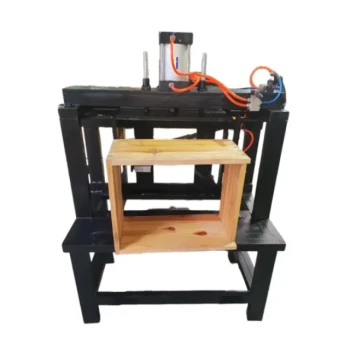
- High-Efficiency Pneumatic Bee Hive Making Machine for Rapid Box Assembly
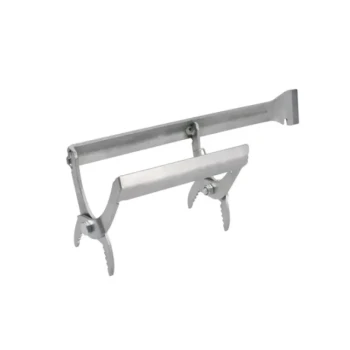
- Professional Multi-Function Stainless Steel Hive Tool
- HONESTBEE Professional Long Handled Hive Tool with Precision Cutting Blade
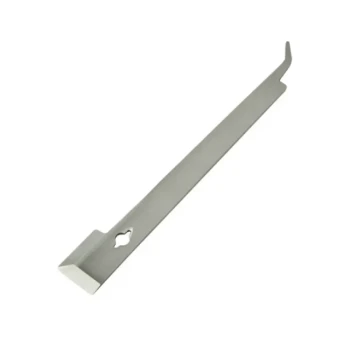
- Professional Stainless Steel Pry-Bar Hive Tool
People Also Ask
- What specific challenges do beekeeping hive tools address during hive maintenance? Essential Solutions for Apiaries
- How do specialized beehive management tools assist in the routine maintenance of bee colonies? Boost Hive Efficiency
- How do specialized beehive management tools support high-purity honey production? Master Monofloral Isolation
- How do traditional harvesting tools like axes and machetes negatively affect bee colonies? Upgrade to Professional Gear
- What are the approximate costs of basic beekeeping tools? Start Your Apiary for Under $85