Selecting the right beekeeping gloves requires evaluating five primary factors: fit and comfort, durability, protection level, breathability, and budget. This choice is a strategic balance, as you must weigh the necessity of absolute sting prevention against the dexterity required to manipulate hive frames safely and effectively.
The most effective beekeeping gloves are not necessarily the thickest; they are the ones that strike the right balance between protecting your hands and maintaining the tactile sensitivity needed to handle bees without crushing them.
Balancing Protection and Dexterity
The Core Trade-off
The most significant factor to consider is the relationship between thickness and sensitivity. While thicker gloves maximize sting protection, they can severely reduce your ability to feel what you are holding.
The Risk of Clumsiness
If gloves are too bulky, you risk handling the hive clumsily. This can lead to crushing bees or dropping frames, which ironically agitates the colony and increases the likelihood of stinging incidents.
Material Selection
You must decide between traditional materials like leather or cotton and modern alternatives like nitrile. Leather (specifically goatskin) offers robust protection and is often recommended for beginners, while nitrile offers superior sensitivity for precise movements.
Fit, Comfort, and Ergonomics
The Importance of a Snug Fit
A proper fit is not just about comfort; it is a safety feature. Gloves should be snug enough to allow for precise movements but loose enough to remain comfortable during long inspections.
Testing Manipulation
Before purchasing, it is advisable to try on different types to assess functionality. You should simulate the motion of lifting and manipulating a hive frame to ensure the glove does not hinder your grip.
Coverage and Integration
Standard beekeeping gloves typically extend to the elbows for maximum arm protection. For optimal security, gloves should be worn first, with the sleeves of your bee suit layered over them to prevent bees from crawling inside.
Environmental Considerations
Breathability and Ventilation
In hot climates, heat management becomes a safety factor. Ventilated gloves feature mesh panels near the wrist to promote airflow and reduce moisture buildup.
Durability vs. Comfort
While ventilated gloves are lightweight and cooler, they are generally less durable than solid leather options. You must decide if the comfort of airflow is worth the potential for faster wear and tear.
Understanding the Trade-offs
The Vulnerability of Ventilation
While mesh panels improve comfort in the heat, they introduce a weak point in your armor. Stings are possible through the mesh, and these gloves may not offer the same level of hand protection as solid, thicker varieties.
Sensitivity vs. Security
Thick gloves act as a barrier to pain, but they disconnect you from the hive environment. A loss of tactile feedback can make you a "heavier-handed" beekeeper, potentially damaging hive parts or harming the queen during inspections.
Making the Right Choice for Your Goal
To select the best gloves for your specific situation, align your choice with your experience level and environment:
- If your primary focus is maximum protection (or you are a beginner): Choose goatskin leather gloves with canvas sleeves to ensure confidence while you learn to handle the hive.
- If your primary focus is dexterity and precision: Choose nitrile or thin synthetic gloves, which provide the textured grip and sensitivity needed for intricate tasks, despite offering less sting protection.
- If your primary focus is working in high heat: Choose ventilated gloves with mesh panels, accepting slightly lower durability in exchange for necessary airflow and cooling.
Select the glove that allows you to work calmly and efficiently, as a steady hand is often the best defense against stings.
Summary Table:
| Factor | Material Type | Primary Benefit | Best For |
|---|---|---|---|
| Protection | Goatskin Leather | Maximum sting resistance | Beginners & aggressive hives |
| Dexterity | Nitrile / Thin Synthetic | High tactile sensitivity | Professional queen handling |
| Breathability | Ventilated Mesh | Improved airflow & cooling | Working in hot climates |
| Balance | Cowhide / Sheepskin | Durability and flexibility | General commercial beekeeping |
Elevate Your Apiary Operations with HONESTBEE
Choosing the right protective gear is just the first step in maintaining a productive commercial apiary. At HONESTBEE, we specialize in empowering commercial beekeepers and distributors with high-quality, wholesale solutions. From durable goatskin gloves to advanced hive-making and honey-filling machinery, our comprehensive portfolio is designed to scale your business efficiency.
Our value to you:
- Full-Spectrum Supply: Access everything from essential industry consumables to specialized hardware.
- Commercial Scale: Tailored wholesale offerings for large-scale operations and distributors.
- Expert Support: Leverage our industry expertise to source the right tools for your specific environment.
Ready to upgrade your equipment or stock your distribution center? Contact us today to discover how HONESTBEE can streamline your beekeeping supply chain!
Related Products
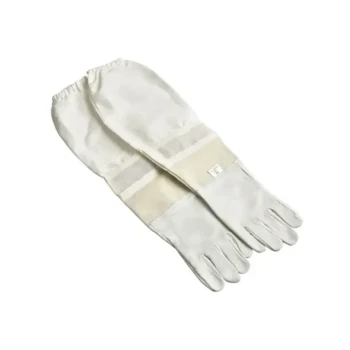
- Beekeeping Gloves Goatskin Leather with Long Cotton Sleeve for Beekeepers
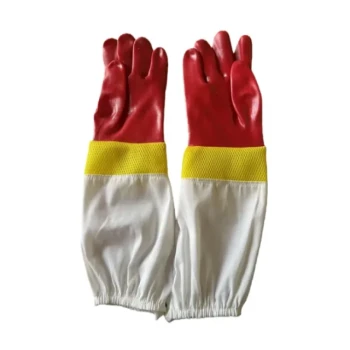
- Heavy Duty Red Rubber Beekeeping Gloves with Vented Mesh Cotton Sleeves
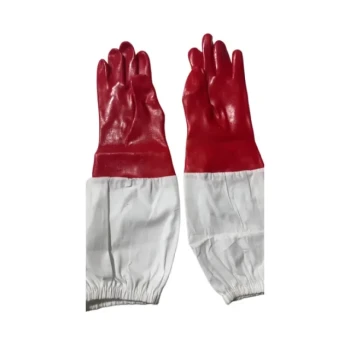
- Heavy Duty Red Rubber Beekeeping Gloves with Extended Pure Cotton Sleeves for Beekeepers
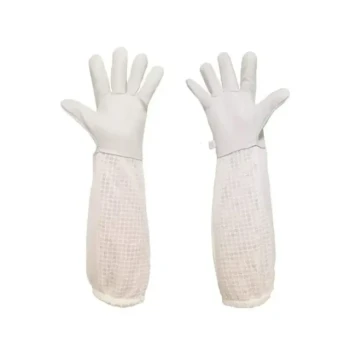
- Goatskin Leather Beekeeper Gloves with Vent Long Sleeve for Beekeeping Honey Bee Sting Proof Protection
- Premium Ventilated Goatskin Beekeeping Gloves with Full 3-Layer Mesh Sleeve
People Also Ask
- What are the characteristics of the best gloves for beekeeping? Choose Protection & Dexterity
- What are the primary purposes of using beekeeping gloves? Protect Your Hands and Ensure Apiary Hygiene
- What types of gloves are available for beekeeping? Choose the Right Protection for Your Hive
- Why is it important for beekeepers to wear gloves? Essential Safety and Confidence for Hive Management
- Why do some experienced beekeepers opt not to wear gloves? Discover the Benefits of Tactile Precision