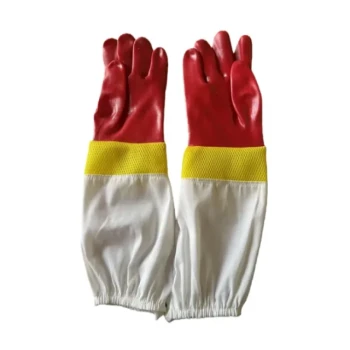
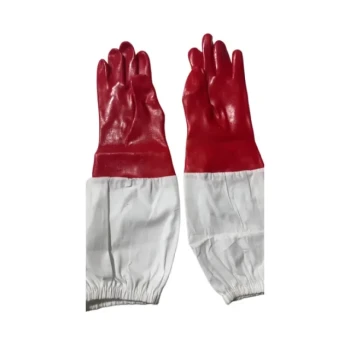
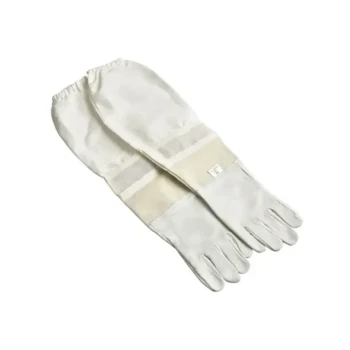
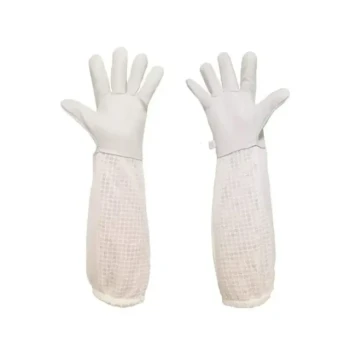
Beekeeping gloves are primarily manufactured from distinct material categories: natural leather (often cowhide or goatskin), synthetic options like nitrile and rubber, and heavy textiles such as canvas. Your choice among these materials fundamentally dictates the balance you will strike between impenetrable sting protection and the tactile sensitivity required for precision work.
The optimal glove material is rarely a "one-size-fits-all" solution; it is a strategic compromise between maximum durability to prevent stings and the fine dexterity needed to manipulate delicate hive components without harming the bees.
Evaluating Material Performance
To select the right gear, you must understand how different materials behave under the unique conditions of an apiary.
The Heavy-Duty Standard: Leather
Leather is the traditional choice for apiarists. It offers the highest level of sting protection and durability, acting as a formidable barrier against aggressive colonies.
However, standard leather can be stiff. This rigidity may reduce your dexterity, making it harder to feel what you are doing.
The Flexible Alternative: Goatskin
Within the leather category, goatskin is a specific variation frequently recommended for beginners.
It bridges the gap between safety and usability. Goatskin offers a softer, more pliable feel than standard cowhide, providing a better balance of protection and flexibility.
Precision Synthetics: Nitrile
Nitrile gloves represent the opposite end of the spectrum. They are thin and lightweight, prioritizing the beekeeper's sense of touch.
They allow for high dexterity and precise movements. The trade-off is significant: they offer much less protection against stings compared to leather.
The Chemical Barrier: Rubber
Rubber gloves are distinct from nitrile in their utility. They provide solid sting protection and are inherently resistant to water and chemicals.
This makes them ideal for tasks involving hive treatments or cleaning.
The Textile Option: Canvas
Canvas gloves are designed for tasks requiring high dexterity.
They allow for intricate movements, such as checking brood frames or harvesting honey. While they offer good tactile feedback, they are generally less robust than leather.
Understanding the Trade-offs
Every material choice involves a sacrifice. Understanding these pitfalls is essential for safe hive management.
Breathability Issues
Thick, non-porous materials create a microclimate around your hands. Rubber gloves, in particular, are less breathable.
This often leads to sweating during extended use, which can make the gloves uncomfortable and difficult to remove.
The Dexterity Deficit
Thick materials like heavy leather or rubber distance your hands from the work.
A lack of dexterity can lead to clumsiness. If you cannot feel the frames, you risk crushing bees, which releases alarm pheromones and agitates the colony, effectively increasing the likelihood of being stung elsewhere.
Cuff Integration
Regardless of the hand material, the glove design usually includes a sleeve component.
Gloves often feature canvas sleeves that extend to the elbow. This design is critical to create a seal over your long sleeves, preventing bees from crawling inside your clothing.
Making the Right Choice for Your Goal
The "best" glove changes depending on your experience level and the specific task you are performing.
- If your primary focus is maximum protection (or you are a beginner): Goatskin gloves with canvas sleeves are recommended as they provide a forgiving balance of safety and necessary flexibility.
- If your primary focus is high dexterity: Nitrile or canvas gloves are the superior choice for intricate tasks like queen rearing or inspections where tactile feedback is critical.
- If your primary focus is hygiene or chemical application: Rubber gloves are best suited for wet work or applying medicated treatments due to their chemical resistance and ease of cleaning.
Select the material that matches your confidence level and the specific demands of your current apiary task.
Summary Table:
| Material | Protection Level | Dexterity | Best For |
|---|---|---|---|
| Goatskin | High | Moderate | Beginners & general hive work |
| Cowhide | Very High | Low | Aggressive colonies & maximum safety |
| Nitrile | Low | Very High | Queen rearing & precision tasks |
| Canvas | Moderate | High | Intricate movements & harvesting |
| Rubber | High | Low | Chemical treatments & cleaning |
Scale Your Apiary Success with HONESTBEE
Equipping your beekeeping operation with the right gear is essential for safety and efficiency. As a leading partner for commercial apiaries and distributors, HONESTBEE provides a comprehensive wholesale catalog designed to meet every professional need.
Our range includes high-quality beekeeping gloves, protective apparel, and specialized machinery—from hive-making units to advanced honey-filling systems. Whether you are looking for durable consumables or honey-themed cultural merchandise, we deliver the quality and scale your business demands.
Ready to upgrade your inventory? Contact us today to discuss our wholesale offerings and discover how our expertise can support your growth.
Related Products
- Beekeeping Gloves Goatskin Leather with Long Cotton Sleeve for Beekeepers
- Heavy Duty Red Rubber Beekeeping Gloves with Vented Mesh Cotton Sleeves
- Heavy Duty Red Rubber Beekeeping Gloves with Extended Pure Cotton Sleeves for Beekeepers
- Goatskin Leather Beekeeper Gloves with Vent Long Sleeve for Beekeeping Honey Bee Sting Proof Protection
- Premium Ventilated Goatskin Beekeeping Gloves with Full 3-Layer Mesh Sleeve
People Also Ask
- What are the characteristics of the best gloves for beekeeping? Choose Protection & Dexterity
- What are the primary purposes of using beekeeping gloves? Protect Your Hands and Ensure Apiary Hygiene
- What types of gloves are available for beekeeping? Choose the Right Protection for Your Hive
- Why is it important for beekeepers to wear gloves? Essential Safety and Confidence for Hive Management
- Why do some experienced beekeepers opt not to wear gloves? Discover the Benefits of Tactile Precision