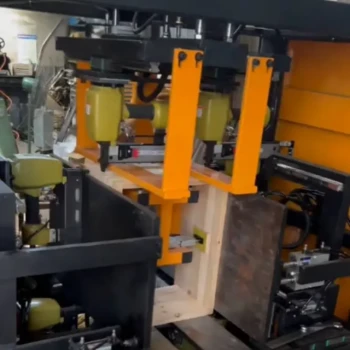
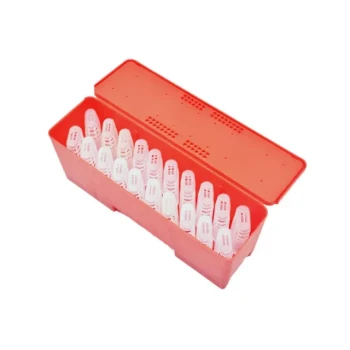
Commercial beehive boxes typically utilize standardized wood, polypropylene, or styrofoam materials configured to specific height and width dimensions. Sizing is universally categorized by vertical depth (deep, medium, or shallow) and horizontal frame capacity (standard 10-frame, lighter 8-frame, or smaller 5-frame nucleus colonies).
Core Takeaway While material choice impacts insulation and cost, the strict standardization of box dimensions is the critical factor for commercial viability. This uniformity allows for palletized transport, industrial forklift operations, and the interchangeable management of frames across thousands of colonies.
Material Composition and Construction
Wooden Hive Bodies
The most traditional and prevalent material for commercial hives is wood, specifically hoop or radiata pine. These timbers are chosen because they are widely available, sustainable, and simple to cut to precise lengths.
Wooden boxes are generally more affordable than their plastic counterparts. They offer a balance of durability and ease of assembly, making them the standard for large-scale operations.
Synthetic Alternatives
Modern operations also utilize polypropylene and styrofoam. These materials are designed to offer superior thermal properties, helping to insulate the colony from temperature extremes more effectively than thin wood.
Nuc Box Materials
For "nucleus" (nuc) colonies—small starter hives—materials vary based on usage. Commercial suppliers often use waxed cardboard for inexpensive transport or sales.
Permanent nuc boxes may be made of plastic, which can include integrated feeders and vents, or wood, which offers the best durability for raising replacement colonies.
Standardized Sizing Configurations
Categorization by Height
Vertical sizing is standardized into three primary categories: deep, medium, and shallow. This vertical modularity allows beekeepers to adjust the hive's volume based on the colony's population and honey stores.
Categorization by Width (Frame Capacity)
The width of the box is defined by the number of frames it can hold. The internal recesses of the box are spaced to accommodate these specific counts.
- 10-Frame: The industrial standard for maximum honey production and brood rearing space.
- 8-Frame: A slightly narrower option often used to reduce physical weight.
- 5-Frame: Known as a "nuc," used primarily for starting new colonies, mating queens, or commercial sales.
Understanding the Trade-offs
Weight vs. Capacity
The decision between 10-frame and 8-frame equipment is often a trade-off between efficiency and ergonomics. While 10-frame boxes maximize the yield per pallet footprint, they are significantly heavier when full.
The 8-frame option is frequently chosen by apiarists who prioritize reduced lifting strain, though it requires more boxes to achieve the same total volume.
Logistics vs. Customization
Standardized wooden boxes facilitate industrial logistics. Because the dimensions are uniform, hives can be secured on pallets and moved rapidly by forklifts for long-distance pollination contracts.
Deviating from standard sizes or materials can complicate these logistics, making it difficult to stack hives securely or transport them efficiently on standard trucks.
Making the Right Choice for Your Goal
- If your primary focus is large-scale commercial pollination: Stick to standard 10-frame wooden deeps, as they are compatible with palletized systems and industrial forklifts.
- If your primary focus is reducing physical strain: Opt for 8-frame boxes or styrofoam materials, which significantly lower the weight you must lift during inspections.
- If your primary focus is selling or transporting starter colonies: Utilize 5-frame nuc boxes made of waxed cardboard for one-time sales, or durable plastic for repeated transport.
Standardization is the tool that turns a biological colony into a manageable agricultural asset.
Summary Table:
| Feature | Wooden Boxes | Synthetic (Poly/Styrofoam) | Nuc Boxes (5-Frame) |
|---|---|---|---|
| Primary Material | Hoop or Radiata Pine | Polypropylene / Styrofoam | Waxed Cardboard / Plastic |
| Best For | Large-scale commercial use | Thermal insulation/Extreme climates | Starter colonies & Queen mating |
| Standard Sizes | Deep, Medium, Shallow | Deep, Medium | Varied (Small footprint) |
| Key Advantage | Affordable & Pallet-ready | Superior temperature control | Lightweight & Transportable |
Scale Your Apiary with HONESTBEE Professional Equipment
As a dedicated partner to commercial apiaries and distributors, HONESTBEE understands that standardization and durability are the backbone of a profitable beekeeping operation. We provide a comprehensive wholesale catalog including high-quality hive-making machinery, honey-filling equipment, and specialized beekeeping tools designed for industrial efficiency.
Whether you need robust wooden hive components, advanced synthetic options, or essential industry consumables, our portfolio is built to support your growth. Contact us today to discuss your wholesale requirements and see how our global supply chain can optimize your commercial success.
Related Products
- Australian Langstroth Beehive Boxes for Beekeeping Wholesales
- Metal Bee Hive Stand Bee Box Stand for Beekeeping
- Portable Bee Mating Hive Boxes Mini Mating Nucs 8 Frames for Queen Rearing
- Plastic Transporting Bee Packages and Nuc Boxes for Beekeeping
- Styrofoam Mini Mating Nuc Box with Frames Feeder Styrofoam Bee Hives 3 Frame Nuc Box
People Also Ask
- What are the differences between the three standard depths of Langstroth boxes? Choose the Best Size for Your Apiary
- What are the primary advantages of using standardized Langstroth boxes? Scale Your Commercial Beekeeping Operation
- What role do standardized Langstroth boxes play in commercial apiary management and honey bee research? | HONESTBEE Guide
- How many beehive boxes are needed when starting a new hive? A Guide to Proper Hive Setup
- What are the disadvantages of using a combination of deep and medium boxes? Avoid Costly Incompatibility Issues