Beehive frames are primarily constructed from untreated softwoods, specifically eastern pine, or food-grade plastics. Because these structural components come into direct contact with the bees and the honey intended for consumption, the materials chosen must be strictly non-toxic, inexpensive to mass-produce, and capable of withstanding the hive's internal environment.
Core Takeaway The material chosen for a beehive frame must balance workability with environmental resilience. The ideal material accepts fasteners without splitting, resists warping in high humidity, and remains chemically inert to ensure honey purity.
The Functional Requirements of Frame Materials
Why Toxicity Matters
The most critical requirement for any hive component is safety. Frames sit inside the hive body, directly touching the colony and the food stores.
Therefore, materials must be nontoxic. Treated woods or plastics containing harmful chemicals are avoided to prevent contaminating the honey or harming the sensitive bee population.
The Need for Cost-Efficiency
Beekeepers often require dozens or even hundreds of frames depending on the size of their operation.
Consequently, materials like softwood and molded plastic are favored because they are inexpensive. This keeps the overhead costs manageable for both hobbyists and commercial producers.
Wood Varieties: The Traditional Choice
White Pine: The All-Around Standard
White Pine (often referred to as Eastern Pine) is the most common choice for wooden frames.
Its primary advantage is flexibility. White Pine is soft enough to accept nails easily without splitting, making it an excellent all-around material for the top, bottom, and end bars of the frame.
Spruce: Superior Structural Support
While Pine is versatile, Spruce is often considered a superior option specifically for end bars.
Spruce is characterized by its stiffness and brittleness. This rigidity provides better structural support, which is particularly important when wiring narrower frames to support the foundation.
Repurposed Hardwoods
While less common than softwoods, certain hardwoods can be used for frame construction.
The limiting factor here is workability. Hardwoods are suitable only if they resist splitting when nailed, which can be a challenge with denser wood species.
Synthetic Alternatives
One-Piece Plastic Frames
Modern beekeeping has introduced all-plastic frames.
These are typically designed as a single, continuous unit that includes the foundation (the surface where bees build comb). They offer high durability and eliminate the need for assembly, nailing, or wiring.
Understanding the Trade-offs: Workability vs. Durability
The Splitting Risk
When assembling wooden frames, the material's reaction to fasteners is a major pain point.
If the wood is too brittle or hard, it will split when nailed, rendering the frame useless. This is why softer woods like Pine are generally preferred for the top and bottom bars.
The Moisture Challenge
The interior of a beehive is a high-moisture environment.
Materials must be stiff enough to maintain their shape without warping. If a wood is too soft or untreated for moisture resistance (naturally), it may deform, but it must be balanced against the need for a material that is nontoxic and safe.
Making the Right Choice for Your Goal
When selecting frame materials, consider your assembly capabilities and specific structural needs.
- If your primary focus is ease of assembly: Choose White Pine, as its flexibility minimizes frustration and waste caused by splitting during nailing.
- If your primary focus is structural rigidity: Prioritize Spruce for your end bars, as its stiffness provides superior support for wired foundations.
- If your primary focus is zero maintenance: Opt for all-plastic frames, which require no assembly and are impervious to rot, though they offer a different aesthetic and feel than natural wood.
Ultimately, the best material is one that ensures the safety of the colony while withstanding the physical demands of hive inspection and honey harvesting.
Summary Table:
| Material | Key Advantages | Best Used For | Durability |
|---|---|---|---|
| White Pine | Flexible, easy to nail, low cost | Top, bottom, & end bars | Moderate |
| Spruce | High stiffness, rigid support | End bars & wired frames | High |
| Hardwoods | Strong & long-lasting | Specialized structural parts | High |
| Plastic | No assembly, rot-proof, durable | One-piece frame/foundation | Very High |
Maximize Your Colony’s Productivity with HONESTBEE
At HONESTBEE, we understand that commercial success in beekeeping starts with high-quality, durable equipment. Whether you are a large-scale commercial apiary or a global distributor, we provide a comprehensive wholesale range of beekeeping tools, machinery, and essential consumables.
Our Value to You:
- Industrial Efficiency: From automated honey-filling machines to hive-making hardware.
- Quality Materials: Premium frames and beekeeping equipment designed for longevity.
- Global Supply Chain: Reliable wholesale support for hardware and honey-themed cultural merchandise.
Ready to scale your beekeeping operations? Contact us today to explore our full catalog and wholesale pricing!
Related Products
- Wooden Bee Hive Frames for Beekeeping and Wholesale
- Assembled Wooden Bee Frames with Plastic Foundation for Durability and Convenience by HONESTBEE
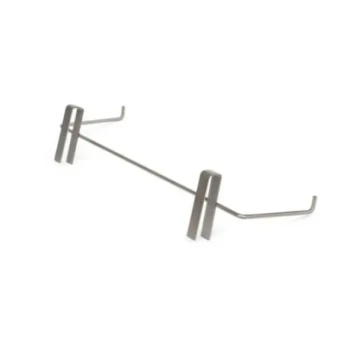
- Heavy-Duty Stainless Steel Clip-On Frame Perch
- HONESTBEE Wired and Assembled Wooden Bee Frames Foundation for a Thriving Hive
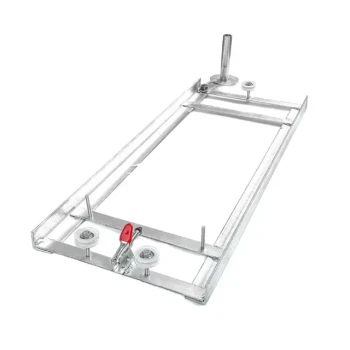
- Professional Galvanized Steel Frame Rest for Beehives
People Also Ask
- How do wooden and plastic hive frames compare in terms of durability? Wood vs. Plastic Longevity & Repairability
- How does balancing the number of frames impact hive productivity? Optimize Your Apiary's Biological Output
- What are the main considerations when choosing between wooden and plastic bee hive frames? Optimize Your Apiary's Efficiency
- How should beehive frames be maintained to prolong their lifespan? 5 Pro Tips for Durable Beekeeping Equipment
- What are frames and combs used for in beekeeping? The Foundation of Modern Hive Management