Protecting apiaries from pesticide exposure requires a dual-layered strategy of spatial separation and physical isolation. By placing hives a minimum of 3 kilometers away from active spraying zones or utilizing temporary isolation nets and mobile units, beekeepers can effectively mitigate the risks of mass mortality. These measures, combined with real-time environmental monitoring, ensure the preservation of colony health during critical crop flowering seasons.
Core Takeaway: To safeguard beekeeping assets against agricultural chemicals, distributors must provide solutions that enable either a 3km spatial buffer or the physical containment of colonies via isolation nets and mobile migration units.
Strategic Apiary Siting: The 3-Kilometer Buffer
Spatial Distance as a Safety Barrier
The primary defense against pesticide drift and direct contact is the implementation of a spatial protection strategy. Placing apiaries at least 3 kilometers away from zones where cotton, cocoa, or other treated crops are grown significantly reduces forage overlap with contaminated areas.
Leveraging Real-Time Environmental Monitoring
Modern beekeeping operations increasingly rely on high-precision monitoring systems to track chemical exposure levels. By integrating these data streams with agricultural spraying schedules, operators can proactively adjust hive placement before application begins.
Coordination with Agricultural Schedules
Success in siting depends on the synchronization of data between beekeepers and local growers. This coordination allows for the strategic relocation of hives, ensuring foragers are not present during peak application periods.
Physical Isolation and Mobile Protection Infrastructure
Temporary Isolation Nets for Foraging Control
When relocation is not feasible, temporary isolation nets serve as a critical physical barrier. These nets restrict honey bee flight during specific hours of pesticide application, preventing bees from visiting treated crops and bringing toxic residues back to the hive.
Mobile Beekeeping Units for Rapid Migration
Mobile beekeeping units are a premium solution for rapid asset protection. These units allow for the ultra-fast transport of entire colonies away from high-risk zones, responding immediately to sudden changes in local agricultural activity.
Protective Equipment for Personnel
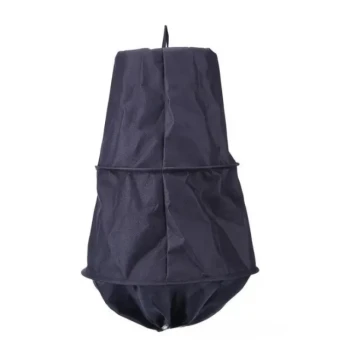
Managing colonies in pesticide-heavy environments requires specialized beekeeping protective equipment. This ensures that personnel remain safe while implementing emergency isolation or migration protocols in chemically sensitive areas.
Understanding the Trade-offs
The Challenge of Thermal Management
While isolation nets prevent pesticide contact, they can restrict airflow and lead to heat stress within the hive. Operators must balance the duration of containment with the metabolic needs and temperature regulation of the colony.
Logistics vs. Foraging Yield
Moving hives 3 kilometers away effectively protects biological assets but may result in lower honey yields if the new location lacks sufficient forage. Distributors should advise clients to evaluate the trade-off between colony survival and seasonal production goals.
Implementation Speed and Response Times
The effectiveness of any isolation strategy is dictated by response time. Manual netting or slow migration can lead to significant losses if the pesticide application begins earlier than anticipated.
Making the Right Choice for Your Portfolio
Strategic protection of bee colonies is a matter of both distance and physical defense. As a professional distributor, your goal is to provide the full spectrum of tools required for these complex environments.
- If your primary focus is rapid response and mobility: Prioritize the sourcing of mobile beekeeping units and high-precision monitoring systems to enable fast hive relocation.
- If your primary focus is cost-effective containment: Focus on supplying high-quality isolation nets and specialized protective gear for personnel managing hives in fixed locations.
- If your primary focus is large-scale risk mitigation: Emphasize the 3-kilometer siting rule and provide the logistical support needed to maintain these spatial buffers.
Equipping your clients with these advanced siting and isolation tools ensures the long-term viability of their beekeeping operations in modern agricultural landscapes.
Summary Table:
| Protection Strategy | Key Measure | Main Benefit | Primary Consideration |
|---|---|---|---|
| Spatial Siting | 3km Buffer Zone | Maximum distance from chemicals | Potential for lower honey yield |
| Isolation Nets | Physical Containment | Low-cost, immediate barrier | Managing hive heat stress |
| Mobile Units | Rapid Relocation | Ultra-fast asset protection | Logistics and equipment cost |
| Monitoring | Real-time Tracking | Proactive risk management | Integration with spray schedules |
Empower Your Apiary Business with HONESTBEE
At HONESTBEE, we understand the complex challenges faced by commercial apiaries and B2B resellers in modern agricultural landscapes. Protecting biological assets from pesticide exposure requires high-quality, reliable equipment. We provide a comprehensive one-stop sourcing solution, offering a full spectrum of beekeeping tools, specialized machinery (including hive-making and honey-filling units), and essential industry consumables.
Why partner with HONESTBEE?
- Deep Industry Expertise: Solutions tailored for large-scale risk mitigation and colony health.
- Rapid Fulfillment: Ultra-fast delivery and efficient order processing to keep your inventory ready for seasonal demands.
- Premium Trading Services: Dedicated support for distributors and wholesalers, ensuring high profit margins and supply reliability.
Elevate your product portfolio and offer your customers the best in colony protection and honey production technology. Contact HONESTBEE today to discuss wholesale opportunities!
References
- Ehouman J B Ohoueu, Dembélé Ardjouma. Impact De L’utilisation Des Produits Phytosanitaires En Production Cotonniere Et Cacaoyere Sur La Production Apicole En Côte D’ivoire. DOI: 10.19044/esj.2017.v13n9p42
This article is also based on technical information from HonestBee Knowledge Base .
Related Products
- Wooden Queen Bee Excluder for Beekeeping
- HONESTBEE Wooden Bee Escape Board with Triangle Mesh Design for Beekeeping
- Professional Durable Two-Piece Plastic Bee Escape
- Ergonomic Plastic Frame Spacer Tool for Rapid Hive Management Beekeeping
- Metal Hive Feet Bee Hive Stand for Ant Protection
People Also Ask
- How does a queen-bee excluder function as a defense against Small Hive Beetles? Protect Your Honey with Resource Denial
- Why are standardized hive frames and queen excluders essential for maintaining honey purity and quality? Scale Your Purity
- What types of queen excluders are available for beekeepers? Choose the Right Tool for Your Hive
- Can a queen excluder be used as a propolis trap? Understand Bee Space for Better Hive Management
- Why are queen excluders essential in intensive honey production management? Ensure Purity & Efficiency