Securing beehive components for transit effectively requires mechanically binding the hive bodies, covers, and bottom boards to prevent shifting or separation. The two primary methods for achieving this are fastening the components with 2-inch hive staples or wrapping the entire unit in ratchet straps.
The choice between fastening methods often comes down to a balance between stability and convenience. While staples provide a rigid connection, ratchet straps are generally the superior choice for their ease of application, quick removal, and ability to compress the entire stack into a single, unified block.
Primary Structural Security Methods
The Ratchet Strap Solution
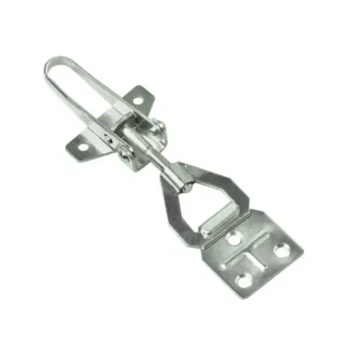
According to industry standards, using ratchet straps is the most convenient method for securing a hive. These straps wrap around the entire unit—from top cover to bottom board—holding the stack together through compression.
For maximum stability, it is recommended to use two ratchet straps per hive. Applying these straps in opposing directions ensures the hive cannot shift laterally or vertically during the vibration of transport.
Because straps do not physically penetrate the wood, they can be removed quickly and easily once the hive is placed in its new location.
The Hive Staple Method
A more traditional approach involves using 2-inch staples to physically fasten the wooden components together. These staples bridge the gap between hive bodies, the bottom board, and the cover.
This method prevents the boxes from sliding off one another. However, unlike straps, staples require tools to install and remove, making them a more permanent and less flexible solution for frequent movers.
Enhancing Containment and Safety
Sealing the Joints
Even when a hive is structurally secure, vibration can open small gaps between boxes. To address this, you can apply tape over the joints where the hive bodies meet.
This prevents individual bees from crawling out of the seams during the journey, protecting both the colony and the people transporting them.
Total Enclosure
For the highest level of containment, the entire secured unit can be placed inside a mesh transport bag. This acts as a final failsafe to catch any bees that might escape through ventilation holes or warped wood, ensuring they remain contained until you reach the apiary.
Understanding the Trade-offs
Impact on Hive Hardware
While staples are effective, they inevitably damage the woodenware. Repeatedly hammering staples in and prying them out will eventually degrade the edges of your boxes and bottom boards.
Ratchet straps, by contrast, rely on tension. They preserve the integrity of the wood, making them the preferred choice for preserving the longevity of your equipment.
Convenience vs. Security
Staples are "set and forget," but removing them requires a hive tool and physical effort, which can agitate the bees immediately after a move.
Straps can be released silently and instantly. However, straps require the beekeeper to ensure they are tightened correctly; a loose strap offers no protection at all.
Making the Right Choice for Your Goal
When planning your move, select the method that aligns with your frequency of transport and safety requirements:
- If your primary focus is convenience and equipment longevity: Use ratchet straps (ideally two) to secure the hive without damaging the wood or requiring prying tools for removal.
- If your primary focus is absolute containment safety: Combine structural strapping with mesh transport bags and taped joints to ensure zero bees can escape during the drive.
- If your primary focus is low-cost, one-time transport: Use 2-inch staples to fix the components together, provided you accept the minor damage to the wooden hive bodies.
Secure the structure firmly, contain the bees completely, and your colony will arrive ready to thrive.
Summary Table:
| Method | Best For | Impact on Equipment | Speed of Removal |
|---|---|---|---|
| Ratchet Straps | Frequent moves & longevity | No damage; preserves wood | Very Fast |
| Hive Staples | Low-cost, one-time transport | Causes minor wood damage | Slow (requires tools) |
| Mesh Bags | Maximum bee containment | None | Moderate |
| Joint Taping | Preventing small escapes | Temporary residue | Fast |
Maximize Your Apiary Efficiency with HONESTBEE
Moving hives is a critical operation for commercial apiaries and distributors. At HONESTBEE, we provide more than just advice—we supply the high-performance tools and machinery you need to succeed. From durable hive-making and honey-filling machines to a complete range of beekeeping hardware and consumables, we cater to the wholesale needs of the industry worldwide.
Whether you are scaling your operations or stocking premium equipment for resale, our portfolio is designed to enhance your productivity and protect your investment. Contact our expert team today to discuss our wholesale offerings and discover how HONESTBEE can support your growth in the beekeeping industry.
Related Products
- High Security Emlock Strap System
- Professional Galvanized Hive Strap with Secure Locking Buckle for Beekeeping
- Heavy-Duty Nylon Beehive Hive Strap with Stainless Steel Cinch Buckle
- Steel Round Disc Entrance Reducer for Flexzion Bee Hive Nuc Box Gate
- Heavy-Duty Stainless Steel Clip-On Frame Perch
People Also Ask
- What are the types of Emlocks available? Choose the Right Strap for Hive Security
- How does the performance of ratchet straps compare to cam buckle straps for securing beehives? Expert Comparison Guide
- What role do standardized beehive fastening and protective consumables play? Secure Colonies Against Natural Disasters
- What are the two styles of hive straps? Choose the Right Strap for Your Hive Security
- How should hive straps be stored? Prevent Tangles & Extend Strap Life