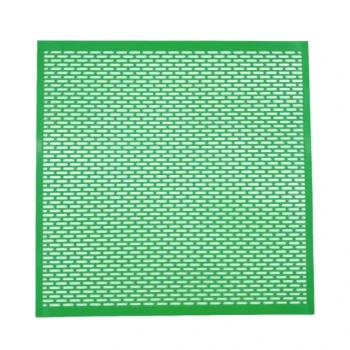
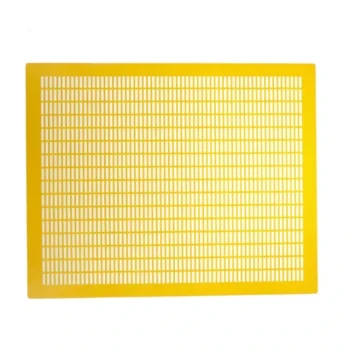
Queen excluders can cause physical injury to worker bees and significantly impede hive efficiency. The most direct negative effect is damage to the wings of worker bees as they repeatedly squeeze through the narrow grid. Beyond physical trauma, these devices can act as a barrier to productivity, restricting movement and potentially leading to reduced honey yields.
While designed to keep the queen out of honey supers, the excluder functions as a bottleneck that can shorten worker lifespan through physical wear and disrupt the colony’s natural ventilation and traffic flow.
Physical Impact on the Colony
Wing Damage and Reduced Lifespan
The most immediate physical threat to the colony is wing damage. To access honey supers, worker bees must navigate gaps that are typically between 4.1 and 4.4 millimeters wide.
This space is designed to be just large enough for workers but too small for the queen. However, the repeated friction of squeezing through this grid can fray or tear worker wings.
This is particularly problematic with certain punched plastic models, which may have sharp edges left over from manufacturing. Damaged wings reduce a forager's flying efficiency and ultimately shorten her lifespan.
The "Honey Excluder" Effect
Many beekeepers ironically refer to these devices as "honey excluders." This nickname stems from the observation that workers are often reluctant to pass through the barrier.
When workers struggle to move through the gaps, they may store honey in the brood nest rather than the supers. This reluctance creates a traffic jam that lowers overall efficiency and can result in significantly lower honey production.
To mitigate this specific issue, an upper entrance can be installed in the honey super. This provides foragers a direct route to the storage area, bypassing the excluder entirely.
Hive Management and Environmental Risks
Ventilation and Overheating
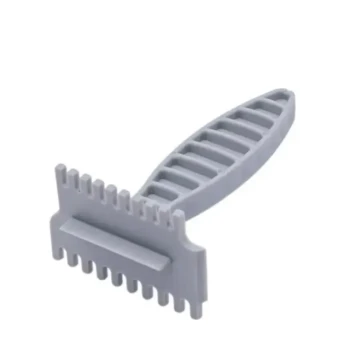
Bees naturally bridge gaps in the hive with wax. Consequently, they often build burr comb directly on the excluder’s bars or grid.
As this wax accumulates, it clogs the openings required for air circulation. In hot weather, this reduced airflow can lead to overheating within the hive, stressing the colony as they expend more energy trying to cool the brood nest.
The Trap for Drones
Standard excluders function on size differentiation; while workers fit, drones are significantly larger and cannot pass.
If an excluder is placed above a box containing brood or drones, the drones become trapped in the upper supers. Unable to exit to cleanse or mate, they eventually die. Their bodies can obstruct the grid further, creating unsanitary conditions and blocking passage for the workers.
Understanding the Trade-offs
Restricted Laying and Swarm Risk
By design, an excluder restricts the queen to a specific area. If the brood nest becomes "honey-bound" (filled with nectar because workers won't cross the excluder), the queen runs out of space to lay eggs.
This artificial congestion is a primary trigger for swarming. The colony senses it has outgrown its space, prompting them to rear a new queen and leave, taking half your workforce with them.
Equipment Failure Rates
The device is not foolproof. Small or virgin queens are sometimes physically capable of squeezing through the 4.1mm gaps.
If a queen breaches the barrier, she will begin laying eggs in the honey supers, defeating the purpose of the device and forcing the beekeeper to extract honey from frames containing bee larvae.
Making the Right Choice for Your Goal
While excluders offer the convenience of brood-free honey, they introduce friction into the hive's workflow.
- If your primary focus is Maximizing Honey Yield: Consider removing the excluder to allow free movement, or install an upper entrance to bypass the grid and reduce wing damage.
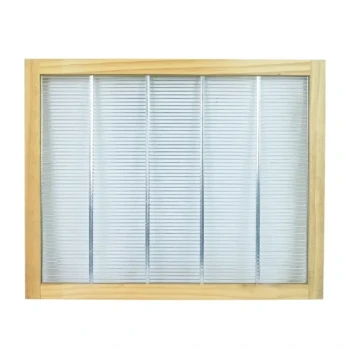
- If your primary focus is Clean Extractions: Use a high-quality metal excluder (avoiding sharp plastic) and ensure you regularly check the underside for burr comb to maintain ventilation.
Successful beekeeping requires balancing your convenience during harvest against the biological stress placed on the colony.
Summary Table:
| Potential Issue | Impact on Colony | Mitigation Strategy |
|---|---|---|
| Physical Injury | Wing fraying and reduced worker lifespan | Use high-quality metal excluders; avoid sharp plastic |
| Honey Production | Workers reluctant to cross; honey-bound brood nest | Install an upper entrance in the honey super |
| Ventilation | Clogged grid via burr comb leads to overheating | Regular inspection and cleaning of the excluder |
| Drone Trapping | Trapped drones die and block worker passage | Ensure no drones or brood are above the excluder |
| Swarm Risk | Congestion in the brood area triggers swarming | Monitor space and ensure nectar is moved to supers |
Maximize Your Colony’s Potential with HONESTBEE
At HONESTBEE, we understand that balancing hive efficiency with colony health is critical for commercial success. Whether you are a commercial apiary looking to optimize honey yields or a distributor seeking high-quality supplies, we provide the precision-engineered tools you need.
Our extensive portfolio includes:
- Durable Metal Queen Excluders and advanced beekeeping hardware.
- Industrial Machinery from hive-making to honey-filling systems.
- Full-Spectrum Consumables and unique honey-themed cultural merchandise.
Don't let equipment bottlenecks hinder your productivity. Partner with HONESTBEE for professional-grade wholesale solutions.
Contact Our Experts Today to Enhance Your Operation
Related Products
- High Performance Plastic Queen Excluder for Beekeeping and Apiary Management
- Professional Plastic Queen Excluder for Modern Beekeeping
- Lightweight Durable Plastic Queen Excluder Scraper for Beekeeping
- Metal Queen Bee Excluder for Beekeeping
- Premium Wood Framed Metal Wire Queen Bee Excluder
People Also Ask
- What are the characteristics of a plastic queen excluder? Key Benefits for Cost-Effective Beekeeping
- What are the operational and cost advantages of using plastic queen excluders over metal or wire excluders in commercial hive management? Discover how they reduce labor, prevent wing damage, and lower total costs.
- What types of queen excluders are available for beekeepers? Choose the Right Tool for Your Hive
- Why are standardized hive frames and queen excluders essential for maintaining honey purity and quality? Scale Your Purity
- Do plastic queen excluders work? A Cost-Effective Solution for Modern Apiaries