The primary physical harm caused by queen excluders is specific damage to the wings of worker bees. As bees repeatedly force their way through the narrow gaps designed to restrain the queen, the friction and physical obstruction can fray or tear their delicate wing structures.
Key Insight: The restrictive nature of a queen excluder creates a physical toll on your workforce, primarily manifesting as wing damage that can shorten a bee's lifespan. However, this stress can be significantly reduced by providing alternative access points, such as upper entrances.
The Mechanics of Physical Damage
Friction from Narrow Gaps
The fundamental design of a queen excluder relies on size discrimination. The gaps are sized precisely to allow smaller worker bees to pass while blocking the larger queen.
Because this fit is tight, worker bees must squeeze through the grid. The repeated passage through these narrow openings creates constant friction against the bees' bodies, specifically targeting the wings.
The Risk of Sharp Edges
While the size of the gap is the primary constraint, the quality of the equipment plays a major role in the severity of the harm.
Some types of queen excluders suffer from manufacturing imperfections. These units may have sharp or rough edges along the grid work. As bees traverse the excluder, these jagged edges can slice or snag wings, accelerating physical deterioration.
Consequences for Colony Health
A worker bee's wings are its most vital tool for foraging.
When wings are damaged by the excluder, the bee's flight efficiency drops. This physical degradation acts as a limit on their utility to the hive and creates a shorter overall lifespan for the affected bees.
Mitigating the Risk
Reducing Grid Traffic
The most effective way to prevent this damage is to reduce the necessity of passing through the excluder.
During a heavy honey flow, congestion at the excluder increases the likelihood of injury. Installing an upper entrance directly into the honey super allows foragers to bypass the excluder entirely when depositing nectar.
Improving Hive Efficiency
By providing a direct path to the supers, you not only save the bees' wings but also increase energy efficiency.
Bees no longer have to navigate the brood box and squeeze through the excluder for every trip. This preserves their physical condition and reduces traffic jams within the hive.
Understanding the Trade-offs
Equipment Quality vs. Cost
Cheaper, stamped metal excluders are more likely to have the sharp edges that cause severe damage. Investing in higher-quality bound metal or polished wire excluders can minimize abrasive contact, though they often come at a higher financial cost.
Management vs. Bee Health
The excluder is a tool for the beekeeper's convenience (keeping brood out of honey), not the bees' benefit. You are trading a small percentage of worker bee vitality for ease of honey harvesting. This trade-off is generally acceptable, provided you take steps to minimize the physical "tax" paid by the bees.
Making the Right Choice for Your Goal
To balance honey production with colony welfare, assess your equipment and setup:
- If your primary focus is Maximizing Forager Longevity: Install upper entrances on your honey supers to drastically reduce the number of times bees must pass through the excluder.
- If your primary focus is Equipment Selection: Inspect your excluders for sharp burrs or rough edges before use, and replace any hardware that risks cutting delicate wings.
By reducing physical barriers and smoothing the path for your foragers, you protect the workforce that drives your honey production.
Summary Table:
| Physical Impact | Primary Cause | Long-term Consequence |
|---|---|---|
| Wing Fraying | Repeated friction from narrow gaps | Reduced flight efficiency and foraging capacity |
| Physical Lacerations | Sharp or rough edges on low-quality grids | Sudden drop in worker population and health |
| Shortened Lifespan | Physical exhaustion and structural damage | Decreased honey production and colony vitality |
| Congestion Stress | High traffic during heavy honey flows | Increased energy expenditure and hive inefficiency |
Maximize Your Colony's Vitality with Premium Equipment
Protect your workforce and boost honey yields with professional-grade beekeeping solutions from HONESTBEE. As a dedicated partner to commercial apiaries and global distributors, we provide the full spectrum of high-quality tools—from polished wire excluders that minimize wing damage to advanced honey-filling machinery and specialized hive-making hardware.
Ready to upgrade your apiary’s efficiency? Contact us today to explore our comprehensive wholesale catalog and discover how our industry-leading consumables and cultural merchandise can add value to your business.
Related Products
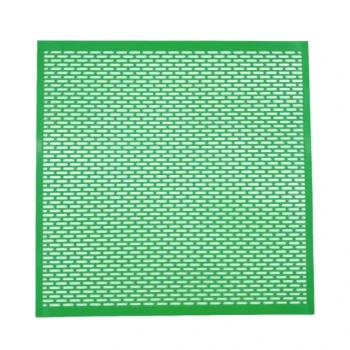
- High Performance Plastic Queen Excluder for Beekeeping and Apiary Management
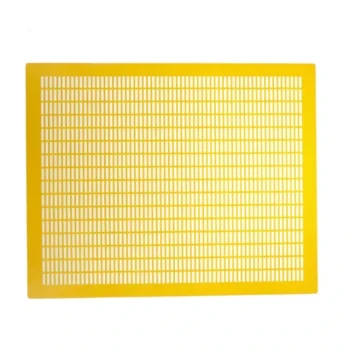
- Professional Plastic Queen Excluder for Modern Beekeeping
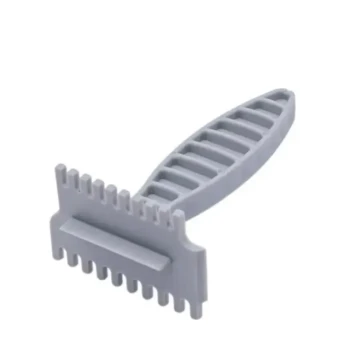
- Lightweight Durable Plastic Queen Excluder Scraper for Beekeeping
- Metal Queen Bee Excluder for Beekeeping
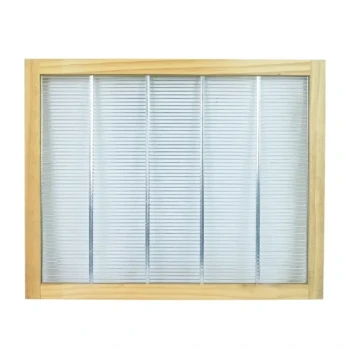
- Premium Wood Framed Metal Wire Queen Bee Excluder
People Also Ask
- What are the characteristics of a plastic queen excluder? Key Benefits for Cost-Effective Beekeeping
- What are the operational and cost advantages of using plastic queen excluders over metal or wire excluders in commercial hive management? Discover how they reduce labor, prevent wing damage, and lower total costs.
- What types of queen excluders are available for beekeepers? Choose the Right Tool for Your Hive
- Why are standardized hive frames and queen excluders essential for maintaining honey purity and quality? Scale Your Purity
- Do plastic queen excluders work? A Cost-Effective Solution for Modern Apiaries