The primary threats to managed honey bee colonies are Varroa destructor mites, wax moths, wasps, and ants. Effective control combines monitoring, targeted treatment, physical exclusion, and precise hive hardware. For commercial apiaries and supply partners, the strongest approach is a coordinated product portfolio covering pest-control consumables, treatment applicators, entrance protection, screened floors, and tight-fitting hive components.
The core principle is integrated pest management: identify the threat early, use the least disruptive effective control, and prevent reinfestation through sanitation and physical barriers.
The Main Pests Threatening Managed Colonies
Varroa destructor mites
Varroa mites are the highest-priority pest in many managed colonies. They feed on developing and adult bees and can transmit serious viral pathogens, including Deformed Wing Virus and Acute Bee Paralysis Virus.
Unchecked infestations weaken workers, impair brood development, and can contribute to colony failure. Colonies of Apis cerana may also require especially targeted and attentive management, even though standard protocols are widely established for Apis mellifera.
Wax moths
Wax moth caterpillars, primarily Galleria mellonella and Achroia grisella, tunnel through comb and damage the structure of stored frames, supers, and other hive products.
They are particularly damaging where colonies are weak or comb is stored without adequate protection. Their presence can compromise equipment even when adult bees are not directly attacked.
Wasps and hornets
Predatory wasps, including species of Vespa and Vespula, attack adult bees and may raid honey stores. Persistent pressure can stress a colony, reduce its defensive capacity, and increase robbing risk.
The threat is often greatest at hive entrances, making entrance reduction, robbing control, and targeted trapping important components of protection.
Ants
Ants enter hives through gaps and may compete for food, disturb the colony, or establish persistent infestations around hive equipment.
Poorly fitted boxes, damaged joints, and hive placement near ant trails increase the risk. Physical exclusion and elevated, well-maintained hive stands are central to control.
Related threats requiring broader health management
Although not physical pests, Nosema, American Foulbrood, European Foulbrood, and chalkbrood can seriously impair colony health. Varroa control must therefore be combined with sanitation and disease monitoring rather than treated as an isolated task.
Larger predators, pesticide exposure, habitat loss, and extreme weather also affect colony resilience. These risks are managed through broader apiary planning, protective equipment, and regular colony assessment.
Hive Management Tools That Support Pest Control
Varroa monitoring equipment
Monitoring should guide treatment decisions rather than relying on routine application alone. Useful tools include sticky boards, screened bottom boards, and alcohol-wash testing kits.
Screened floors can help monitor mite drop and may reduce mite movement within the hive, but they should be viewed as part of an integrated program—not a stand-alone solution.
Varroa treatment applicators
Targeted application tools include oxalic acid vaporizers, oxalic acid applicators, and formic acid dispensers, where permitted and used according to product instructions and local regulations.
The applicator matters because consistent dosing and safe handling are essential. Commercial operators benefit from reliable, repeatable equipment that supports treatment across many colonies.
Entrance guards and reducers
Stainless-steel entrance guards, entrance reducers, and robbing screens help limit pest access and reduce the size of the opening that a colony must defend.
These components are particularly useful against wasps, ants, mice, and robbing pressure. They must still allow adequate bee traffic and ventilation for the colony’s strength and seasonal conditions.
Tight-fitting hive components
Precision-manufactured boxes, floors, covers, and frames help eliminate gaps where ants and wax moths can enter.
Good-fitting components also improve operational consistency. Damaged or warped woodenware should be repaired or replaced rather than used as a weak point in the hive’s defenses.
Wax moth storage systems
Stored comb requires protection even when the active hive is healthy. Frame storage racks, airtight equipment bags, cold-storage systems, and other approved storage controls help limit wax moth access and preserve comb integrity.
The correct approach depends on storage volume, climate, equipment availability, and applicable treatment requirements. Prevention is generally more efficient than trying to restore heavily damaged comb.
Hive stands and perimeter protection
Elevated hive stands can make ant access more difficult and improve inspection conditions. For apiaries exposed to larger predators, heavy-duty hive straps and protective perimeter fencing provide additional physical security.
These tools do not replace routine inspections, but they reduce avoidable exposure and protect equipment during adverse conditions.
Sanitation and replacement components
Replaceable inner hive components, hygienic feeder systems, and hive sanitation equipment help reduce the spread of pathogens and contamination between colonies.
Sanitation is especially important when managing brood diseases or moving equipment between colonies. Dedicated cleaning and application supplies support a more controlled apiary workflow.
Why an Integrated Product Portfolio Matters
Monitoring must precede treatment
A pest-control product is most effective when it matches a verified problem. Sticky boards, mite testing kits, entrance inspections, and comb checks help determine whether treatment is required and whether it has worked.
This reduces unnecessary chemical exposure, labor, and disruption to colony development.
Physical and chemical controls work together
Chemical or natural treatments address an active pest burden, while entrance guards, screened floors, tight hive parts, and protected storage reduce future access.
Using only one category leaves predictable gaps. A treatment without exclusion may be followed by reinfestation, while hardware alone may not control an established mite population.
Standardization improves commercial operations
Commercial beekeepers and resellers benefit from compatible equipment, repeatable application methods, and dependable availability across product categories.
A one-stop sourcing model can simplify procurement by combining treatment tools, monitoring hardware, entrance protection, replacement components, and protective gear in a coordinated supply program.
Understanding the Trade-offs
Treatment tools require correct handling
Varroa treatments can be effective, but application errors may reduce control or expose bees, operators, and the environment to unnecessary risk.
Products must be used according to approved labels, timing requirements, temperature limits, and local regulations. Applicator quality cannot compensate for an unsuitable treatment plan.
Screening and barriers can affect airflow and access
Screened bottoms, entrance reducers, and guards may help with pest management, but incorrect installation can restrict bee movement or ventilation.
Equipment should match colony strength, season, and local conditions. Regular inspection is necessary to ensure that guards are not blocked or damaged.
Storage controls add cost and logistics
Cold storage, sealed bags, racks, and other comb-protection systems require space, handling procedures, and inventory planning.
However, the cost of prevention is often lower than replacing heavily damaged frames and supers or managing the consequences of weakened colonies.
Hardware quality affects protection
Loose joints, warped boxes, and poorly fitting covers create entry points for ants and wax moths. Low-quality components can also increase inspection time and maintenance costs.
For distributors and wholesalers, consistent dimensions, durable materials, and reliable fulfillment are operational advantages—not merely product specifications.
How to Apply This to Your Apiary or Product Program
The right selection depends on whether the priority is mite suppression, pest exclusion, comb preservation, or scalable commercial servicing.
- If your primary focus is Varroa control: Combine mite monitoring tools, screened bottom boards, and approved treatment applicators rather than relying on a single intervention.
- If your primary focus is wasp and ant exclusion: Prioritize entrance reducers, robbing screens, metal entrance guards, elevated stands, and tight-fitting hive components.
- If your primary focus is protecting stored comb: Use frame storage racks, airtight equipment bags, and suitable cold-storage or other approved storage controls.
- If your primary focus is colony health: Add sanitation equipment, hygienic feeder systems, replaceable hive components, and disease-monitoring supplies to the pest-control program.
- If your primary focus is commercial procurement: Source compatible monitoring, treatment, exclusion, storage, and maintenance products through a supplier able to provide rapid response and dependable order fulfillment.
Strong apiary protection comes from combining early detection, targeted treatment, durable hive hardware, and disciplined sanitation.
Summary Table:
| Pest | Key Threat | Primary Control Tools |
|---|---|---|
| Varroa destructor mites | Feed on bees, transmit viruses | Monitoring kits, treatment applicators, screened floors |
| Wax moths | Damage comb and stored frames | Airtight storage, cold storage, sanitation |
| Wasps and hornets | Attack adult bees, rob honey | Entrance guards, reducers, robbing screens |
| Ants | Enter hives, compete for food | Tight-fitting components, hive stands, barriers |
Protect your colonies with HONESTBEE's comprehensive hive management solutions. From Varroa treatment applicators to durable entrance guards and storage systems, we supply everything commercial apiaries and distributors need. Our one-stop sourcing ensures rapid response, dedicated support, and ultra-fast delivery. Contact us today to discuss your requirements and secure reliable pest control supplies that boost your operation's resilience.
Related Products
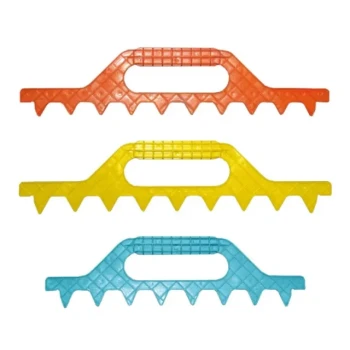
- Ergonomic Plastic Frame Spacer Tool for Rapid Hive Management Beekeeping
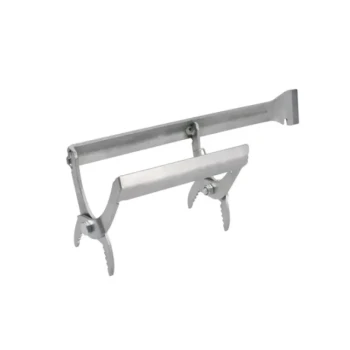
- Multi-Function Plier-Style Frame Grip Hive Tool
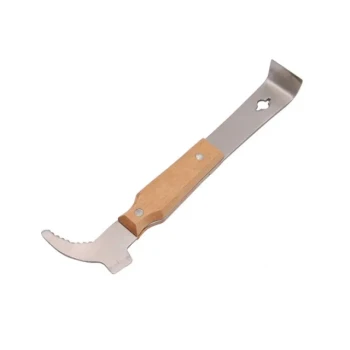
- HONESTBEE Professional Multi-Functional Hive Tool with Ergonomic Wood Handle
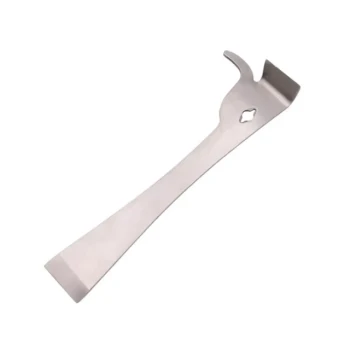
- Professional Multi-Function Stainless Steel Hive Tool
- HONESTBEE Professional Long Handled Hive Tool with Precision Cutting Blade
People Also Ask
- What specific challenges do beekeeping hive tools address during hive maintenance? Essential Solutions for Apiaries
- How do specialized beehive management tools support high-purity honey production? Master Monofloral Isolation
- How do specialized beehive management tools assist in the routine maintenance of bee colonies? Boost Hive Efficiency
- How do traditional harvesting tools like axes and machetes negatively affect bee colonies? Upgrade to Professional Gear
- What are the approximate costs of basic beekeeping tools? Start Your Apiary for Under $85