In forest beekeeping systems, the primary protective function of beekeeping Rope is to suspend hives high within tree branches, effectively isolating them from threats on the ground. Rather than merely securing the hive's position, this suspension method creates a vertical physical barrier that prevents large ground predators from reaching the colony.
By elevating hives beyond the reach of ground-dwelling threats, beekeeping Rope acts as a strategic barrier that leverages vertical distance and tree architecture to ensure colony survival.
The Mechanics of Predator Isolation
Elevating the Defense Perimeter
The fundamental purpose of the rope is to remove the colony from the foraging plane of large ground predators.
By hoisting the hive high into the canopy, the rope ensures that the hive remains physically inaccessible to animals that cannot climb or fly.
This vertical separation serves as the system's primary line of defense.
Increasing Access Difficulty
The rope does not act alone; it functions as a core element of traditional protective craftsmanship.
When used to suspend a hive, the rope introduces instability and distance that complicates the path for natural enemies.
A predator must navigate not only the tree trunk but also the suspension mechanism itself, significantly lowering the success rate of attacks.
Synergy with Environmental Factors
Integration with Tree Selection
The protective value of the rope is maximized when combined with the selection of specific tree species.
Beekeepers choose trees that are inherently difficult for predators to scale.
The rope allows the hive to be placed in the most advantageous position within these trees, distinct from where the hive might naturally establish itself.
Durability as a Safety Factor
Because the hive is suspended, the durability of the rope is critical to the system's integrity.
A failure in the rope constitutes a total failure of the protective system, dropping the hive back into the predator-accessible zone.
Therefore, the material strength of the rope is as vital as the height at which the hive is placed.
Distinguishing Protective Systems
Hive Protection vs. Operator Protection
It is crucial to distinguish between protecting the colony and protecting the beekeeper.
The rope is designed exclusively for the physical security of the hive structure and the bees against predators.
The Role of Personal Gear
While the rope isolates the hive, it does not protect the human operator during maintenance.
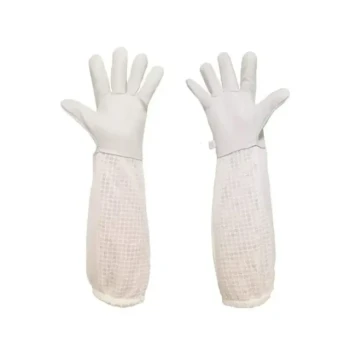
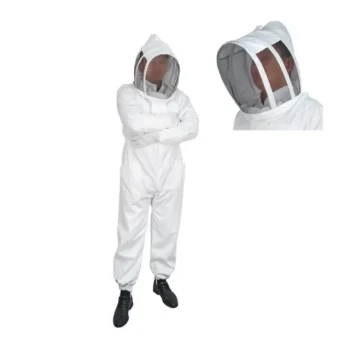
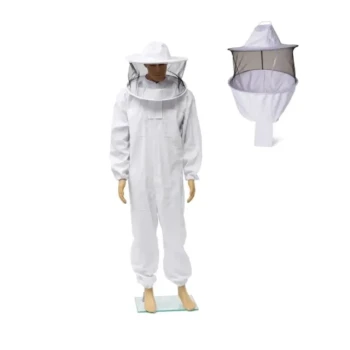
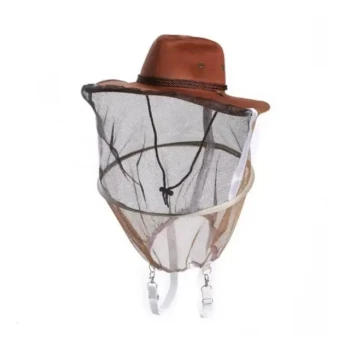
As noted in supplementary contexts, full-body protective suits, veils, and gloves are required to form a biological safety barrier for the beekeeper.
These tools manage sting risks and minimize visual stimulation to the bees, but they serve a completely different function than the structural protection provided by the rope.
Optimizing Forest Beekeeping Security
To implement a robust forest beekeeping system, you must balance structural security with operational safety:
- If your primary focus is Colony Survival: Prioritize high-tensile, durable rope to suspend hives in trees with architectural features that deter climbing predators.
- If your primary focus is Operator Safety: Rely on white, textured protective suits to minimize bee distress and preventing stings during harvest, rather than relying on hive placement alone.
Successful forest beekeeping relies on the rope to hold the fortress high, while the suit protects the keeper of the keys.
Summary Table:
| Protection Feature | Primary Function | Benefit to Colony |
|---|---|---|
| Vertical Suspension | Elevates hive into tree canopy | Isolates hive from ground-dwelling predators |
| Structural Barrier | Creates instability for climbers | Increases access difficulty for natural enemies |
| Strategic Placement | Integrates with tree architecture | Leverages natural defenses of specific tree species |
| Material Durability | High-tensile strength support | Prevents hive falls and system failure |
Secure Your Apiary with HONESTBEE Professional Equipment
Maximize the safety and productivity of your beekeeping operations with industry-leading solutions from HONESTBEE. We specialize in supporting commercial apiaries and distributors by providing a comprehensive range of high-quality tools, including:
- Specialized Machinery: Advanced hive-making and honey-filling machines to scale your production.
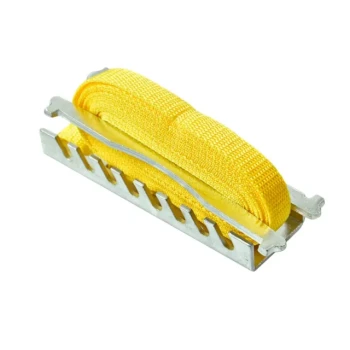
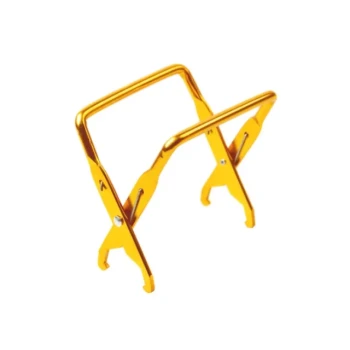
- Durable Hardware: Heavy-duty beekeeping ropes, specialized tools, and essential hardware for forest and traditional systems.
- Protective Gear: Full-body suits and consumables designed for maximum operator safety.
- Cultural Merchandise: Unique honey-themed products to expand your retail portfolio.
Whether you are managing thousands of colonies or supplying the next generation of beekeepers, HONESTBEE delivers the reliability you need. Contact us today to discuss wholesale opportunities and custom equipment needs!
References
- Tesfaye Bekele, Gelgelu Temaro. Assessment of honeybee enemies (pests and predators) in Bale zone, southeastern Ethiopia. DOI: 10.5897/jaerd2016.0844
This article is also based on technical information from HonestBee Knowledge Base .
Related Products
- Professional Galvanized Hive Strap with Secure Locking Buckle for Beekeeping
- Professional Square Folding Wire Mesh Beekeeping Veil
- Wholesales Dadant Size Wooden Bee Hives for Beekeeping
- Durable Galvanized Steel Frame Grip
- Lightweight Aluminum Frame Grip
People Also Ask
- What is a good way to store hive straps to keep them organized? Master the Art of Tangle-Free Hive Transport
- What are the two main styles of hive straps? Choosing Between Cam Buckles and Ratchet Mechanisms for Your Apiary
- What role do standardized beehive fastening and protective consumables play? Secure Colonies Against Natural Disasters
- What maintenance do hive straps require? Keep Your Hives Secure with Simple Care Tips
- What is the best choice for hive straps? Ratchet vs. Cam Buckle for Your Apiary