Migrating honeybee colonies across regions creates both biosecurity and transport risks. Colonies can introduce viruses, Varroa mites, and other parasites to previously healthy apiaries and native wild bees. During transit, vibration, heat, poor ventilation, shifting hive boxes, and accidental bee escape can further weaken colonies. Commercial transport equipment reduces these risks by securing hive components, maintaining airflow, controlling temperature, and supporting faster, more consistent handling.
The central risk is that migration combines biological exposure with physical and environmental stress. Transport-ready hive screens, secure fastening systems, ventilated covers, palletized handling, and quarantine-ready equipment help protect colonies—but they must operate alongside inspection, monitoring, and biosecurity procedures.
Why Regional Colony Movement Creates Risk
Disease and parasite transmission
Moving colonies between regions can spread novel viral diseases, Varroa mites, and other parasites to apiaries that were previously unaffected.
High-density commercial operations increase the importance of this risk because many colonies are transported, unloaded, and placed near one another during narrow pollination windows.
Exposure to native bee populations
Transported colonies may come into contact with native wild bees and local managed colonies. This creates additional opportunities for pathogens, parasites, or invasive bee populations to move beyond the original destination apiary.
Climate-related stress
A colony moved between distinct climate zones may face unfamiliar temperature and humidity conditions. Heat buildup inside enclosed hive equipment is particularly dangerous during warm-weather transport.
Mechanical stress and hive instability
Road vibration, jolting, and sudden braking can shift boxes, loosen covers, and damage comb. These failures may injure bees, disrupt the colony, or create openings through which bees escape.
Operational and worker-safety pressures
Commercial apiaries may move hundreds of hives at night and under tight deadlines. Manual lifting, rushed loading, poor visibility, and unstable trailer loads increase the likelihood of equipment failure, worker injury, hive scattering, and delivery delays.
How Commercial Transport Equipment Reduces These Risks
Ventilated entrance and moving screens
Entrance closure screens seal the hive opening while containing bees during transport. They are commonly used when colonies are moved at night, when foragers are inside the hive.
Top moving screens can replace standard covers in warm conditions. Their purpose is to improve airflow and reduce heat accumulation while maintaining containment.
Heavy-duty straps and hive staples
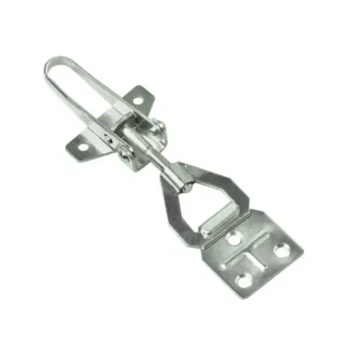
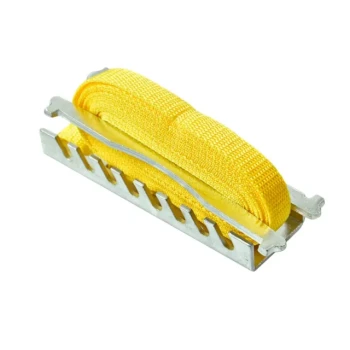
Strapping and long hive staples fasten the boxes, bottom boards, and covers into a unified structure. This reduces box shifting caused by road vibration and helps preserve the physical integrity of the hive.
A secure fastening system also reduces the chance of gaps forming during transit, which helps prevent bee escape and limits the exposure of the colony to external hazards.
Palletized hive systems
Modified heavy-duty pallets can hold multiple colonies—often four to eight, depending on the design and operating configuration. Palletization allows forklifts or specialized hive loaders to move groups of colonies efficiently.
This improves handling consistency, reduces repeated manual lifting, and supports faster loading and unloading during time-sensitive pollination deployments.
Cargo nets and load-management accessories
Heavy-duty cargo netting secures complete truckloads and helps prevent pallet movement during transit. The equipment must be used as part of a properly balanced and secured load rather than as a substitute for hive-level fastening.
For warm-weather hauls, integrated water-spraying or soaker-hose systems can help control heat. These systems support ventilation equipment by reducing thermal stress during extended travel.
Quarantine-ready hive boxes
Transport hardware should support separation and quarantine procedures when colonies arrive from different regions or sources. Quarantine-ready boxes and clearly managed hive units make it easier to isolate colonies that require inspection or follow-up.
Equipment alone cannot diagnose or prevent disease. Its value is that it enables a more controlled movement process, where questionable colonies can remain contained and separated.
The Biosecurity Process Equipment Must Support
Inspect colonies before loading
Colonies should be assessed before movement for visible disease signs, parasite concerns, damaged equipment, and overall transport readiness. Loading compromised colonies without a management plan can increase risk at the destination.
Plan containment and separation
Colonies from different sources should be tracked and managed as identifiable groups. Secure hive closures, transport-ready boxes, and pallet organization make separation more practical during loading, transit, and unloading.
Monitor colonies after arrival
The destination inspection is as important as the pre-transport check. Colonies should be monitored for signs of transport stress, heat damage, escape, disease, or parasite activity after placement.
Match equipment to route and climate
A short cool-weather movement has different ventilation and load-management requirements from a long warm-weather haul. Product selection should account for travel duration, temperature exposure, road conditions, pallet configuration, and loading method.
Understanding the Trade-offs
Ventilation must be balanced with containment
More airflow can reduce overheating, but screens and covers must still prevent escapes and maintain structural security. Poorly fitted or inadequately secured ventilation components can create openings or fail under vibration.
Pallets improve speed but increase load concentration
Palletized systems can make large-scale handling faster and reduce physical strain. However, they concentrate multiple colonies into larger load units, making pallet stability, cargo-netting, forklift handling, and trailer balance especially important.
Water cooling requires operational control
Water-spraying systems may help reduce heat during warm-weather movement, but they add equipment, monitoring, and procedural requirements. They should be integrated into a transport plan rather than applied inconsistently or used to compensate for inadequate ventilation.
Mobility can increase disease exposure
Transport equipment can protect colonies from physical damage, but it also makes frequent regional movement more practical. Since migration can facilitate the spread of pests and invasive bee populations, efficient logistics must be paired with robust monitoring and biosecurity controls.
Product quality affects total operating cost
Low-quality staples, straps, screens, or pallets may fail during transit and create colony losses, emergency labor, delays, or damaged equipment. For distributors and commercial operators, the relevant measure is not simply unit price but reliability across repeated transport cycles.
What Commercial Buyers Should Evaluate
Complete-system compatibility
A transport solution should work across hive boxes, bottom boards, covers, pallets, loaders, trailers, and cargo restraints. Buying isolated components without checking compatibility can create weak points in the transport chain.
Availability across the full product range
Distributors, wholesalers, and B2B resellers benefit from a broad portfolio that includes ventilation screens, fastening hardware, hive pallets, cargo nets, quarantine-ready boxes, and related handling accessories.
A one-stop sourcing model can simplify procurement and reduce the risk of assembling an incompatible system from multiple suppliers.
Response time and fulfillment reliability
Migratory operations often work against fixed bloom cycles and narrow delivery windows. Rapid quotation response, dependable stock information, and efficient order fulfillment are therefore operational requirements, not merely service conveniences.
Technical support and application knowledge
Suppliers should be able to clarify which components suit particular hive configurations, climates, loading methods, and transport distances. Dedicated customer service is most valuable when it helps prevent an equipment mismatch before deployment.
How to Apply This to Your Project
Select equipment according to the biological, environmental, and logistical risks of the route—not simply the number of colonies being moved.
- If your primary focus is biosecurity: Combine secure hive closures and quarantine-ready boxes with pre-movement inspection, colony identification, destination monitoring, and separation procedures.
- If your primary focus is heat management: Prioritize ventilated entrance or top moving screens and consider controlled cooling systems for long warm-weather hauls.
- If your primary focus is transport stability: Use heavy-duty staples, straps, pallet locking systems, and cargo netting designed to keep hive components and pallet loads secure.
- If your primary focus is high-volume efficiency: Use palletized colonies with compatible mechanical loading equipment to reduce manual handling, accelerate deployment, and limit operational downtime.
- If your primary focus is dependable procurement: Choose a supplier with a complete transport-equipment portfolio, fast response times, technical expertise, and reliable delivery capacity.
Well-designed transport equipment does not eliminate the risks of migratory beekeeping, but it makes those risks more controllable, measurable, and manageable.
Summary Table:
| Risk Category | Specific Risk | Mitigation Equipment |
|---|---|---|
| Disease spread | Introduction of viruses, Varroa mites, parasites | Quarantine-ready boxes, secure closures, monitoring protocols |
| Native bee exposure | Pathogen transfer to wild bees | Containment screens, separation planning |
| Climate stress | Heat buildup, temperature shock | Ventilated top/entrance screens, controlled cooling systems |
| Mechanical stress | Box shifting, comb damage, bee escape | Heavy-duty straps, hive staples, palletized systems, cargo nets |
| Operational pressure | Manual handling, tight deadlines, worker safety | Pallet systems, mechanical loaders, efficient logistics |
Secure Your Colony Migrations with HONESTBEE
At HONESTBEE, we understand that every beekeeper and distributor faces unique challenges during colony transport. Our comprehensive wholesale supply covers specialized hive-moving equipment, including ventilated screens, heavy-duty fasteners, pallet systems, and cargo restraints—all designed to protect your bees and streamline your operations. With our full-spectrum product portfolio, rapid response times, dedicated customer service, and ultra-fast delivery, we ensure you have the reliable tools and support to minimize risks and maximize efficiency. Whether you need OEM/ODM support, certifications, or supply reliability for your distribution network, we're here to help. Contact us today to find the perfect transport solution for your apiary. Get in touch with our experts.
Related Products
- Durable Plastic Interlocking Hive Connector for Beekeeping
- Heavy Duty Adjustable Hive Connector
- Plastic Transporting Bee Packages and Nuc Boxes for Beekeeping
- Ergonomic Two Person Foldable Hive Lifter
- Professional Grade Foldable Beehive Handles
People Also Ask
- How do plastic bee hives compare to wooden hives in handling? Reduce Strain & Boost Efficiency
- Are plastic bee hives any good? Unlock Durability & Efficiency for Your Apiary
- Under what circumstance are beehive connectors particularly beneficial? Optimize Handling for Full Beehive Attachments
- Are plastic bee hives good? Durable, Low-Maintenance Hives for Modern Apiaries
- What is the advantage of using the beehive connector when handling full attachments? Achieve Safe and Efficient Hive Transport