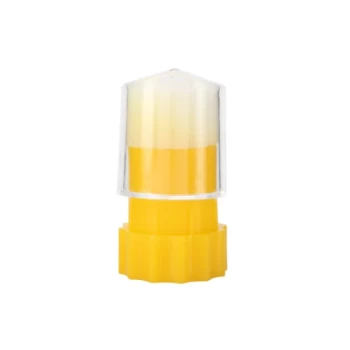
Artificial queen cell cups act as physical templates that allow beekeepers to standardize the production of queens from specific genetic lineages. By grafting larvae into these manufactured bases, breeders can direct the colony's nursing resources toward raising queens with chosen superior traits, transforming natural reproduction into a controlled selective breeding process.
These cups serve as the critical interface between genetic selection and biological development. They allow breeders to isolate larvae from high-performing colonies and provide them with a standardized, optimal environment for development, ensuring that genetic potential is not compromised by physical limitations.
Facilitating Directional Selection
The Vehicle for Specific Genetics
The primary role of the artificial cup is to enable directional selection. Beekeepers identify colonies with superior traits—such as high yield or disease resistance—and graft larvae from these specific lineages into the cups.
This process separates the genetic source (the mother queen) from the rearing resource (the nurse colony). The cups allow a strong, non-related colony to raise the selected larvae, scaling the propagation of desirable local honey bee varieties.
Mimicking Natural Architecture
To the nurse bees, the artificial cup serves as a distinct biological cue. It mimics the natural cell bases constructed by honey bees, acting as a guide that triggers the workers to construct a full queen cell.
Without this physical template, bees would not instinctively build queen cells around the introduced larvae in the organized manner required for mass rearing.
Impact on Queen Quality
Optimizing Royal Jelly Storage
The internal design of the cup is not merely structural; it is nutritional. The internal volume of the cup dictates the storage capacity for royal jelly.
A properly sized cup ensures there is ample space for nurse bees to deposit the royal jelly essential for larval growth. This directly influences the vitality and developmental quality of the resulting virgin queen.
Minimizing Handling Stress
Advanced artificial cups are often designed to be detachable. This allows technicians to move larvae that are less than 24 hours old without physically touching the insect itself.
By moving the cup rather than the larva, the delicate bed of original royal jelly remains undisturbed. This provides a stable physical foundation, reducing mortality rates and ensuring rapid development once introduced to the nurse colony.
Understanding the Trade-offs
The Risk of Volume Mismatch
While artificial cups provide standardization, they lack the flexibility of natural wax. If the internal volume of the manufactured cup is incorrect, it may physically restrict the amount of royal jelly available to the larva.
This can lead to undernourished queens that, despite having superior genetics, fail to perform due to developmental stunting.
Acceptance Rates
Artificial cups are foreign objects introduced into the hive. If the material or shape does not sufficiently mimic natural comb, the nurse bees may clean out or reject the grafted larvae.
Success relies heavily on the cup's ability to fool the colony into accepting the artificial base as part of their own natural architecture.
Making the Right Choice for Your Goal
To effectively utilize artificial queen cell cups in your breeding program, consider your specific objectives:
- If your primary focus is genetic consistency: Prioritize using cups as a transport mechanism to move larvae from your single best "breeder mother" to multiple strong "cell builder" colonies.
- If your primary focus is queen vitality: Select cups with internal volumes that maximize royal jelly capacity to ensure the physical development matches the genetic potential.
The artificial cup is the pivot point of modern beekeeping, turning the art of queen rearing into a repeatable, scientific process.
Summary Table:
| Feature | Role in Selective Breeding | Impact on Quality |
|---|---|---|
| Genetic Template | Enables grafting from superior lineages | Ensures directional selection of traits |
| Physical Architecture | Mimics natural cells to trigger nurse bee care | Increases acceptance rates for mass rearing |
| Internal Volume | Dictates royal jelly storage capacity | Influences larval vitality and queen size |
| Detachable Design | Minimizes physical contact with larvae | Reduces mortality and handling stress |
Elevate Your Apiary with Professional-Grade Breeding Tools
To achieve superior genetic results and high-performance colonies, commercial apiaries and distributors require equipment that meets exact biological standards. HONESTBEE specializes in the full spectrum of beekeeping tools, from precision-engineered artificial queen cell cups to advanced honey-filling machines and hive-making hardware.
Our wholesale solutions are designed to help you scale production while maintaining the highest quality for your queens and honey products. Whether you are expanding a commercial breeding program or supplying local beekeepers, our comprehensive industry consumables and machinery provide the competitive edge you need.
Ready to upgrade your beekeeping operations?
Contact HONESTBEE Today for Wholesale Inquiries
References
- Anne Lauvie, Geneviève Michon. La gestion des populations d’abeilles inscrite dans des milieux. L’exemple de l’abeille corse. DOI: 10.1051/nss/2020018
This article is also based on technical information from HonestBee Knowledge Base .
Related Products
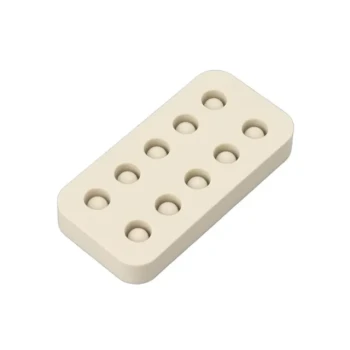
- 10-Cell Silicone Beeswax Bee Queen Cups Forming Mold
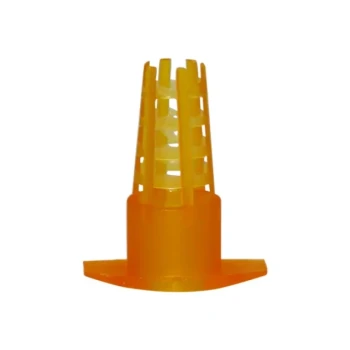
- JZBZ Type Wide Base Plastic Queen Cell Cups for Base Mounting and Queen Rearing
- Brown Nicot Queen Cell Cups for Breeding Queen Bees Beekeeping
- JZBZ Push-In Queen Cell Cups for Beekeeping
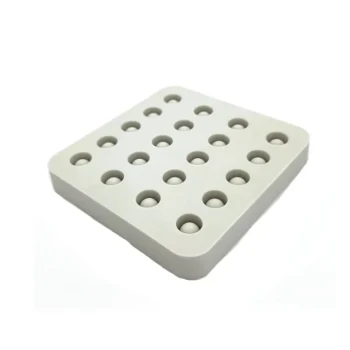
- High-Efficiency 20-Cell Silicone Mold for Beeswax Bee Queen Cup Production
People Also Ask
- How do beeswax queen cell cups function? Optimize Queen Rearing with Biological Mimicry
- What is the biological function of beeswax queen cell cups? Boost Acceptance in Artificial Queen Rearing
- What role do specialized queen rearing tools play in developing mite-resistant honeybee stock? Master Genetic Selection
- What materials are used to make artificial queen cell cups for grafting? Beeswax vs. Plastic Guide
- What roles do specialized queen cell cups play in royal jelly production? Optimize Your Hive's Secretion and Yield