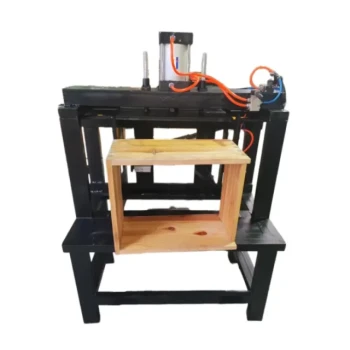
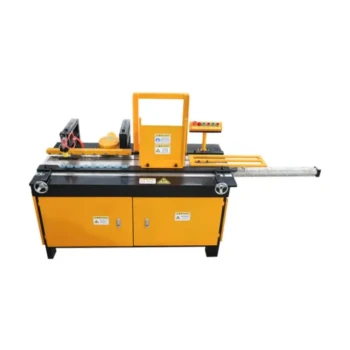
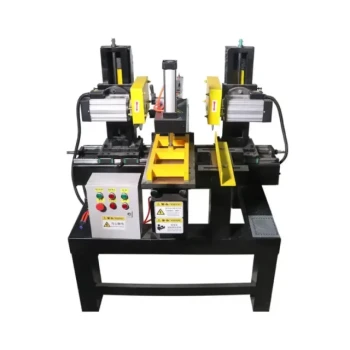
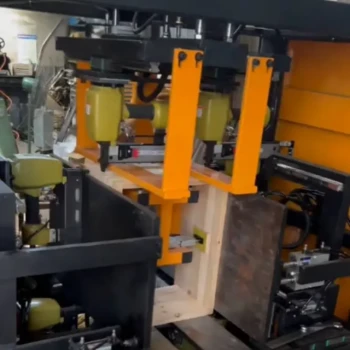
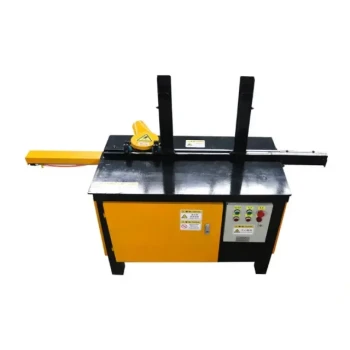
Hive-making machines serve as the industrial bridge between natural bee-nesting biology and large-scale commercial viability. By leveraging automated mechanical processing, these machines produce standardized hive components with high precision, ensuring the physical environment mimics natural habitats while providing the scalability required for modern, professional apiaries. This technology allows operators to maintain the strict biological requirements of a colony while transitioning to an industrial model capable of managing hundreds of hives simultaneously.
Standardization through automation is the backbone of commercial beekeeping. Hive-making machines provide the high-precision hardware foundation necessary to maintain biological "bee space," enabling apiaries to scale efficiently while ensuring component interchangeability and mechanized production.
Engineering Biological Accuracy at Scale
Maintaining the Precision of "Bee Space"
The primary role of these machines is to enforce exact physical specifications that align with bee-nesting habits. In nature, bees require specific gaps—known as bee space—to move and work without sealing areas with propolis or building excess burr comb. Automated machinery ensures that every frame and box maintains this precision, which is critical for colony health and the ease of manual inspections.
Simulating Optimal Natural Habitats
Professional hive-making machines use advanced woodworking or composite processing to create structures with superior insulation and ventilation. By optimizing the hive’s thermal regulation, the machinery reduces the energy bees must spend on temperature control. This biological optimization directly translates to increased foraging efficiency and higher annual honey yields for commercial operations.
Supporting Species-Specific Requirements
Different bee species and regional climates require tailored nesting environments. Modern machinery allows for the customized production of various hive types, such as the Nagy-Boczonádi or Langstroth systems. This flexibility ensures that a commercial apiary can provide the specific spatial requirements needed for a particular colony to thrive in its local ecosystem.
Driving Operational Efficiency for Commercial Success
Scaling from Artisanal to Industrial
Specialized machinery is the fundamental prerequisite for moving from small-scale beekeeping to industrial operations managing 150 or more colonies. Standardization ensures that every unit in a large-scale apiary is identical, allowing for a systematic layout and rapid expansion. Without the consistency provided by these machines, the labor costs of managing a diverse, non-standardized fleet of hives would be prohibitive.
Component Interchangeability
Standardized manufacturing ensures that all frames, supers, and bottom boards are fully interchangeable across the entire apiary. This is vital during honey harvest and colony splits, as it allows for the rapid replacement of parts without the need for manual adjustment. For distributors, offering machinery that guarantees this level of precision is a key selling point for professional clients.
Stability During Migratory Transport
For commercial apiaries involved in migratory beekeeping, structural integrity is paramount. Hive-making machines produce components with precise joints and locking mechanisms that ensure stability during long-distance transport. This durability protects the biological integrity of the colony during the stresses of relocation to different pollination sites.
Understanding the Trade-offs and Implementation Risks
Capital Investment vs. Operational Savings
The primary trade-off involves a significant initial capital expenditure for the machinery versus long-term savings on pre-made hardware. While the upfront cost is higher, the ability to produce hives using local timber or sustainable materials significantly reduces the per-unit acquisition cost over time. For large-scale operations, this shift usually results in a much lower Total Cost of Ownership (TCO).
Technical Expertise and Maintenance
Operating industrial hive-making machinery requires a level of technical expertise that traditional beekeeping does not. There is a risk of downtime if the machinery is not properly maintained, which can stall an apiary’s expansion plans. Distributors can mitigate this risk by offering comprehensive after-sales support and technical training as part of their service portfolio.
Material Selection Risks
While machines offer precision, the quality of the raw material remains a critical variable. Using inferior or improperly treated wood can lead to warping, which negates the precision of the machine and disrupts the bee space. Success requires a balance between automated precision and a deep understanding of material science.
Maximizing ROI Through Strategic Sourcing
To provide the best value to your clients and ensure a stable supply chain, your sourcing strategy should focus on the synergy between technology and biology.
- If your primary focus is rapid apiary expansion: Prioritize high-output automated machines that emphasize ultra-fast delivery of standardized components to minimize downtime during colony growth.
- If your primary focus is cost-competitive maintenance: Invest in versatile woodworking machinery that allows for the use of local, sustainable timber to reduce dependence on expensive external hardware vendors.
- If your primary focus is high-yield honey production: Select precision machinery that specializes in superior insulation and ventilation features to optimize the biological environment of the colony.
The integration of hive-making machinery transforms beekeeping from a craft into a scalable industrial science, ensuring that biological health and commercial profitability grow in tandem.
Summary Table:
| Key Feature | Biological & Operational Benefit | Impact on Commercial Scaling |
|---|---|---|
| Precision Engineering | Maintains exact "bee space" to prevent burr comb. | Reduces manual labor and inspection time. |
| Standardization | All components (frames/supers) are interchangeable. | Enables rapid expansion and efficient harvesting. |
| Thermal Optimization | Superior insulation and ventilation for colony health. | Increases foraging efficiency and annual honey yield. |
| Automated Production | Rapid conversion of raw timber into high-quality hives. | Drastically lowers the Total Cost of Ownership (TCO). |
| Structural Integrity | Robust joints designed for migratory transport. | Minimizes colony stress during long-distance relocation. |
Scale Your Success with HONESTBEE’s One-Stop Sourcing
Are you a distributor or wholesaler looking to dominate the beekeeping market? HONESTBEE provides the industrial bridge you need. We offer a comprehensive full-spectrum product portfolio—from precision hive-making and honey-filling machines to essential consumables and cultural merchandise.
By partnering with us, you gain access to:
- Deep Professional Expertise: Equipment designed to meet strict biological requirements.
- Premium Trading Services: Dedicated customer support and OEM/ODM capabilities to boost your profit margins.
- Unmatched Efficiency: Ultra-fast delivery and rapid response times to keep your supply chain moving.
Empower your clients with the tools they need for industrial-scale success. Contact HONESTBEE today to secure your wholesale offering!
References
- M. RINDOŠ. Book review: Packer L. 2023: Bees of the World. A Guide to Every Family.. DOI: 10.14411/eje.2025.002
This article is also based on technical information from HonestBee Knowledge Base .
Related Products
- High-Efficiency Pneumatic Bee Hive Making Machine for Rapid Box Assembly
- Mini Desktop Bee Hive Frame Forming Making Machine
- Beehive Handle and Frame Rest Cutting Machine: Your Specialized Hive Machine
- Beehive Machine Double End Saw for Precision Hive Component Manufacturing
- Automatic High-Speed Bee Hive Box Stapling Machine
People Also Ask
- How does the introduction of professional beehive-making machinery benefit sustainable beekeeping? Scale Your Apiary
- Why is specialized beehive-making machinery critical for low-defense breeding? Enhance Selection with Precision Tools
- How does the introduction of specialized beehive making machinery contribute to increasing the scale of regional beekeeping industries?
- What is the importance of specialized beehive making machinery in a circular bio-economy? Build Local Sustainability
- Why is specialized beehive-making machinery essential? Scale Your Apiary with Precision Industrial Standards