Movable frame hives serve as the fundamental hardware of modern apiculture, enabling a shift from passive observation to active colony management. Unlike traditional straw skeps, which often required the destruction of the hive structure to access resources, movable frames allow beekeepers to perform non-destructive inspections, implement artificial swarming, and harvest honey without harming the bee population.
The transition from straw skeps to movable frame hives represents a move toward control, standardization, and sustainability. By allowing for internal visualization and the reuse of wax combs, movable frames significantly increase honey yield and professionalism in the industry.
The Core Shift: Visibility and Control
Non-Destructive Inspection
In traditional straw skeps, the internal state of the colony is largely hidden, making it difficult to assess health without damaging the nest. Movable frame hives solve this by allowing the beekeeper to remove individual frames to inspect for disease, pests, and queen health. This capability transforms beekeeping into a precise science where problems can be diagnosed early without compromising the colony's structural integrity.
Active Swarm Management
Straw skeps offer limited options for controlling natural swarming, which can lead to a loss of bees and productivity. Movable frames empower beekeepers to conduct artificial swarming. This controlled division of colonies prevents overcrowding and expands the apiary population systematically rather than relying on chance capture of wild swarms.
Improved Disease Monitoring
With the ability to visualize the brood nest, beekeepers can actively monitor for signs of colony collapse or parasitic infestation. This level of access is critical for maintaining high survival rates in commercial operations, a feat that is nearly impossible with the closed structure of a skep.
Efficiency and Yield Optimization
The Principle of Wax Conservation
One of the most significant efficiency gains of the movable frame is the ability to extract honey and return the empty wax comb to the hive. Because bees consume a vast amount of resources to secrete wax, reusing combs allows them to focus energy on honey production rather than reconstruction. In contrast, skep beekeeping often necessitates destroying the comb during harvest, forcing the colony to rebuild from scratch.
Quantifiable Production Gains
The difference in productivity between the two systems is stark. While traditional fixed-comb methods typically yield between 5 and 8 kg of honey annually, standard movable frame hives can produce approximately 25.5 kg per year. This threefold increase is a direct result of improved resource utilization and colony stability.
Streamlined Harvesting
The extraction process in modern hives is designed for speed and repetition. Beekeepers can remove frames, spin out the honey, and replace them rapidly. This modularity supports large-scale industrialization, making it feasible to manage hundreds of colonies efficiently.
Standardization and Mobility
Modular Ecosystems
Modern industrialized beehives utilize standardized physical structures. This interchangeability allows beekeepers to swap components between hives, replace broken parts easily, and utilize automated machinery for manufacturing and processing.
Migratory Capability
Unlike the fragile and often fixed nature of skeps or log hives, movable frame hives are structurally sound enough for transport. This allows for migratory beekeeping, where hives are moved to different regions or altitudes to chase flowering periods, further maximizing resource access and yield.
Understanding the Trade-offs
Increased Management Complexity
While straw skeps represent a "low-intervention" approach, movable frame hives require a higher degree of technical knowledge. The ability to inspect implies the responsibility to inspect; improper handling of frames can inadvertently crush bees or damage the queen.
Risk of Cross-Contamination
The interchangeability of frames, while efficient, introduces a vector for disease transmission. If a frame from an infected hive is moved to a healthy one during management, pathogens can spread rapidly across an apiary. Strict hygiene protocols are necessary to mitigate this risk.
Making the Right Choice for Your Goal
While movable frames are the standard for production, understanding your specific objective helps clarify their value.
- If your primary focus is Commercial Profitability: Prioritize movable frames to leverage the 3x yield increase and the ability to reuse drawn comb for faster production cycles.
- If your primary focus is Colony Health: Utilize movable frames to enable regular, non-destructive screenings for pests and diseases, ensuring early intervention.
The movable frame hive is not just a container; it is a tool that grants the beekeeper access to the biological rhythm of the colony, turning beekeeping into a predictable and sustainable profession.
Summary Table:
| Feature | Traditional Straw Skeps | Modern Movable Frame Hives |
|---|---|---|
| Inspection Style | Destructive / Limited | Non-destructive / Full Visibility |
| Annual Honey Yield | 5 – 8 kg | Approx. 25.5 kg |
| Comb Management | Destroyed during harvest | Reusable (Wax conservation) |
| Swarm Control | Passive / Chance-based | Active / Artificial swarming |
| Scalability | Low (Manual/Fragile) | High (Modular/Standardized) |
| Mobility | Stationary | Migratory-ready |
Elevate Your Commercial Beekeeping with HONESTBEE
Are you ready to transition from traditional methods to a high-yield, professional apiary operation? HONESTBEE specializes in supporting commercial apiaries and distributors with a full spectrum of modern beekeeping solutions.
From standardized movable frame hives and specialized hive-making machinery to industrial honey-filling lines and essential consumables, we provide the tools you need to triple your productivity and ensure colony health. Partner with us to access professional-grade hardware and honey-themed cultural merchandise designed for the global market.
Contact HONESTBEE Today to Discuss Wholesale Opportunities
References
- Zlatko Puškadija, Marin Kovačić. Beekeeping in Croatia: Innovations & challenges for more than 135 years. DOI: 10.1080/0005772x.2016.1156245
This article is also based on technical information from HonestBee Knowledge Base .
Related Products
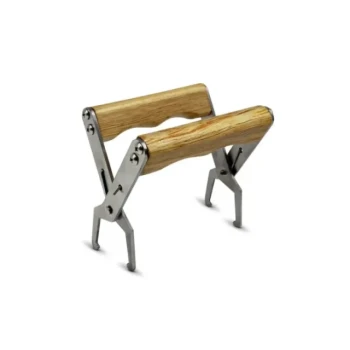
- Professional Grade Foldable Beehive Handles
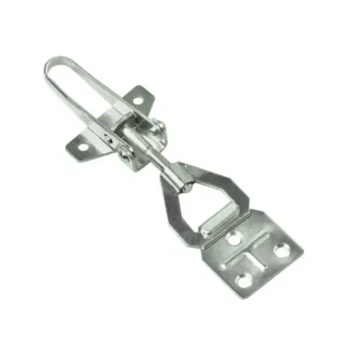
- Heavy Duty Adjustable Hive Connector
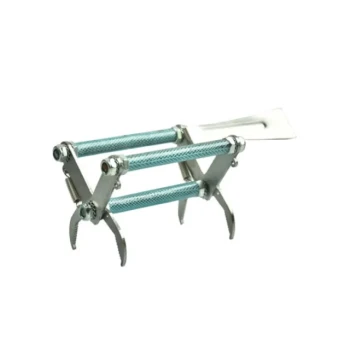
- Multi-Function Plier-Style Frame Grip Hive Tool
- Plastic Bee Frame Beekeeping Hive Frames for Wholesale
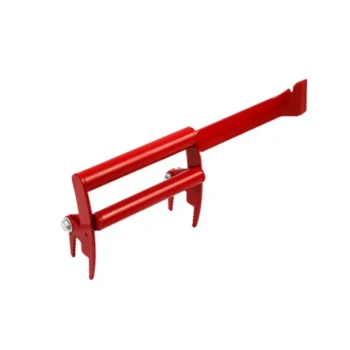
- Heavy-Duty Lever-Action Frame Grip with Hive Tool
People Also Ask
- How do bee hive handles facilitate the evaluation of food stores? Use the Lift Test for Winter Survival
- How do the geometry and dimensions of hive handles influence operational safety and control? Expert Design Insights
- What is a bee hive tool? Discover Why It’s the Most Essential Hand Tool for Every Beekeeper
- What are the common sizes and features of bee hive tools? Choose the Right Tools for Your Apiary
- What is the role of professional hive tools in routine apiary maintenance? Expert Tips for Hive Health and Longevity