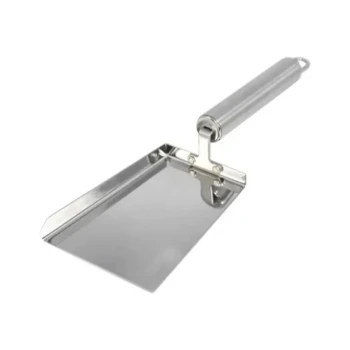
Professional plant specimen collection and identification tools serve as the foundational instruments for quantifying nectar resources. They enable researchers to rigorously record and analyze the diversity and abundance of flora surrounding an apiary. By securing high-quality biological data, these tools bridge the gap between raw field observations and critical site suitability models.
Field data collected via these tools provides the core input for evaluating nectar plant availability—a criterion that accounts for approximately 44% of the weight in apiary suitability models—making accurate collection essential for predicting honey yields.
The Data Foundation for Suitability Models
Driving the Primary Evaluation Metric
The primary function of these tools is to feed data into nectar plant availability evaluations.
Because this single parameter holds the most significant weight (roughly 44%) in suitability models, the precision of your tools directly dictates the reliability of the entire model.
Predicting Yield and Planning Migration
Beyond static analysis, the biological evidence gathered allows for dynamic forecasting.
Apiary managers use this data to predict potential honey yields and scientifically plan seasonal migratory beekeeping routes. This ensures hives are moved to locations with peak resource availability.
Assessing Ecological Carrying Capacity
The data collection process helps determine the ecological carrying capacity of the surrounding plant communities.
By accurately identifying the density and variety of nectar sources, you can calculate the optimal number of colonies a specific site can support without overtaxing local resources.
Preserving Biological Accuracy in the Field
Ensuring Specimen Integrity
Professional collection tools, such as specialized bags and containers, are engineered for breathability and moisture resistance.
These features are critical for preventing mold growth and mechanical damage during transport. They ensure that live specimens retain fresh morphological characteristics required for accurate laboratory diagnosis.
Maintaining Seed Viability
High-quality consumables do more than preserve appearance; they protect the reproductive viability of the samples.
Proper storage ensures collected seeds maintain high germination rates, which is vital for long-term botanical studies or propagation efforts.
Contextualizing Bee Behavior
Portable field tools allow for a dual-purpose workflow: recording plant morphology while simultaneously observing foraging behaviors (such as those of Apis florea).
This combination of physical collection and behavioral observation is essential for constructing accurate regional honey and pollen source calendars.
Understanding the Trade-offs
Equipment Quality vs. Data Reliability
There is a direct correlation between the quality of collection consumables and data integrity.
Using sub-standard containers in variable climate conditions can lead to specimen degradation (mold or desiccation), rendering the 44% weighted input for your model invalid.
The Cost of Precision
Detailed specimen collection and taxonomic identification are labor-intensive processes compared to simple visual surveys.
However, relying solely on visual estimates without physical verification risks misidentifying critical nectar sources, leading to flawed site selection and lower honey yields.
Making the Right Choice for Your Goal
To maximize the value of your field surveys, align your tool usage with your specific objectives:
- If your primary focus is Commercial Site Selection: Prioritize tools that facilitate rapid, high-volume data collection to feed the 44% weighted input for suitability models.
- If your primary focus is Ecological Research: Focus on preservation quality (breathability and moisture resistance) to ensure specimen integrity for lab diagnosis and seed germination.
- If your primary focus is Migratory Planning: Use tools that allow for simultaneous behavioral observation to build accurate regional pollen calendars.
Accurate identification tools transform raw flora into the actionable data required to sustain a productive apiary.
Summary Table:
| Key Role | Primary Benefit | Impact on Apiary Management |
|---|---|---|
| Data Foundation | Feeds suitability models (44% weight) | Higher reliability in site selection and yield forecasting. |
| Preservation | Breathability & moisture resistance | Ensures specimen integrity for accurate lab diagnosis. |
| Ecological Mapping | Carrying capacity assessment | Determines optimal colony numbers to prevent overtaxing. |
| Migratory Planning | Regional honey/pollen calendars | Enables scientific planning for seasonal hive movement. |
Scale Your Beekeeping Operations with HONESTBEE
At HONESTBEE, we understand that professional-grade data starts with professional-grade equipment. We support commercial apiaries and distributors by providing a comprehensive wholesale range of beekeeping tools, specialized hive-making machinery, and honey-filling solutions designed for efficiency and precision.
Whether you are expanding your commercial fleet or sourcing industry-essential consumables, our portfolio offers the hardware and expertise needed to transform your field observations into high-yield results. Contact us today to discuss how our wholesale offerings and industrial machinery can optimize your production and business growth.
References
- Natália Roque, Ofélia Anjos. Using Analytic Hierarchy Process to Assess Beekeeping Suitability in Portuguese Controlled Areas: A First Approach. DOI: 10.3390/insects15020091
This article is also based on technical information from HonestBee Knowledge Base .
Related Products
- Professional Stainless Steel Pry-Bar Hive Tool
- Professional Grade Foldable Beehive Handles
- Professional Large-Format Hive Number Set for Beekeeping
- Professional Dual Action Queen Excluder Scraper for Beekeeping
- 5 Gallon Pail Opener Bucket Opener Tool for Honey Bucket
People Also Ask
- Which technical challenges in hive maintenance are addressed by using a professional stainless steel hive tool?
- What is the function of a professional stainless steel hive tool in IFB? Optimize Your Colony Strength Assessment
- What are the primary functions of a stainless steel hive tool? Essential Tips for Efficient Apiary Maintenance
- What are the primary functions of a stainless steel hive tool? Essential Equipment for Professional Beekeeping
- What is the role of professional hive tools in routine apiary maintenance? Expert Tips for Hive Health and Longevity