Specialized disease and pest control tools are essential risk-management assets for commercial apiaries. They help beekeepers detect threats early, apply targeted treatments, maintain hive hygiene, and reduce preventable colony losses during winter. By stabilizing colony strength before and throughout the wintering period, these tools protect both honey production and the long-term value of the apiary.
Wintering success depends largely on colony health before winter begins. Monitoring equipment, inspection tools, protective gear, hive hardware, and targeted control products work together to identify and suppress biological threats before they weaken or eliminate colonies.
Why Wintering Losses Require Proactive Management
Biological threats weaken colonies before winter
Varroa mites, viral pathogens, wax moths, bee lice, Nosema, ants, and wasps can reduce colony vitality or disrupt normal hive activity. Disease and pest pressure may not cause immediate collapse, but weakened colonies are less capable of maintaining population, food reserves, and temperature through winter.
Healthy colonies are better prepared for stress
A strong colony enters winter with adequate population, stable food stores, and limited parasite or disease pressure. Specialized control tools support this preparation by enabling regular inspections and timely intervention rather than relying on emergency treatment after symptoms become severe.
Winter losses affect more than one production cycle
Colony mortality reduces the number of productive units available for the next season. It also creates replacement, transportation, labor, and equipment costs, making disease and pest prevention a form of biological asset protection for commercial operators.
How Specialized Tools Protect Colony Health
Monitoring tools enable early warning
Hive inspection tools and professional monitoring equipment help identify abnormal colony behavior, pest activity, brood problems, and signs of disease. In large apiaries, standardized inspection procedures make it easier to compare colonies and prioritize those requiring immediate attention.
Early detection is particularly important because biological threats can spread between neighboring colonies. A monitoring system allows managers to intervene before a localized problem becomes an apiary-wide loss.
Pest control products suppress damaging infestations
Targeted medicinal and pest-control products help manage threats such as Varroa mites and other parasites. High-efficiency, low-residue products can support apiary biosecurity when they are selected and applied according to product instructions and applicable regulations.
The objective is not simply to eliminate visible pests. It is to reduce parasite pressure to a level that allows colonies to maintain population strength and enter winter in better condition.
Hive hardware supports consistent management
Standardized frames, hive components, and related hardware make inspections, treatment application, sanitation, and colony comparisons more consistent. This is especially valuable in commercial operations where many colonies must be managed according to repeatable procedures.
Appropriate equipment also reduces unnecessary disturbance during inspections. Less disruptive handling helps maintain a controlled hive environment while allowing beekeepers to collect the information needed for sound decisions.
Protective equipment makes frequent inspections practical
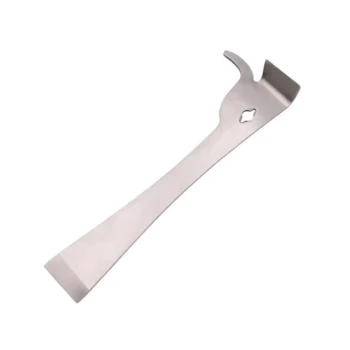
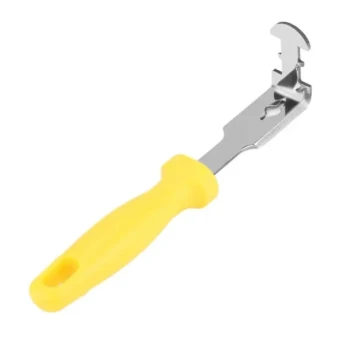
Protective clothing and handling tools create a safer working environment for beekeepers and staff. When inspections are safer and more efficient, teams are more likely to conduct them regularly and thoroughly.
This matters at commercial scale, where missed inspections can allow wax moths, ants, wasps, mites, or disease symptoms to develop unnoticed. Worker safety therefore supports colony surveillance as well as operational continuity.
The Commercial Apiary Value of Integrated Control
Equipment turns health management into a system
No individual product can replace a complete management program. Inspection equipment identifies risks, hive hardware supports controlled handling, and targeted consumables address specific disease or pest pressures.
Together, these components create a repeatable workflow: inspect, assess, intervene, verify, and document. This systematic approach reduces the risk that colony losses result from delayed action or management oversights.
Standardization improves response speed
Commercial apiaries benefit from consistent tools and procedures across locations and teams. Standardized equipment allows personnel to perform inspections and interventions with fewer delays and less variation.
For distributors and B2B resellers, a full-spectrum product portfolio is therefore more valuable than isolated product availability. Customers often need coordinated access to monitoring tools, protective equipment, hive components, and control consumables within the same ordering cycle.
Reliable supply protects treatment continuity
Disease and pest management depends on timing. Delayed access to essential products can extend the period during which colonies remain exposed to damaging biological pressure.
Responsive suppliers, efficient order fulfillment, and rapid delivery help commercial beekeepers maintain operational continuity, particularly during seasonal preparation and high-demand treatment periods.
Understanding the Trade-offs
Treatments must be targeted and properly timed
Routine use of unsuitable or poorly timed products can be ineffective and may create unnecessary colony stress. Treatments should match the identified threat and be used according to label directions, seasonal constraints, and honey-production requirements.
A professional toolset improves decision-making, but it does not eliminate the need for trained assessment and local technical guidance.
Monitoring requires labor and discipline
Inspection tools only create value when teams use them consistently. Large apiaries must allocate time for scheduled checks, record findings, and ensure that corrective actions are completed.
Without documented procedures, even a well-equipped operation can miss early warning signs or apply inconsistent responses across colonies.
Product quality and compliance matter
Low-quality equipment can reduce inspection accuracy, durability, or worker efficiency. Control products must also meet relevant regulatory, residue, and application requirements for the market in which the apiary operates.
Purchasing decisions should therefore consider product reliability, technical documentation, compatibility with existing equipment, and supplier responsiveness—not only unit price.
Integrated management is not a guarantee against losses
Severe weather, forage shortages, drought, genetic limitations, and other external pressures can still affect winter survival. Disease and pest control tools reduce preventable risk, but they cannot remove every environmental or biological variable.
Their role is to improve the colony’s resilience and give managers better information and more effective intervention options.
Making the Right Choice for Your Goal
Select products as part of a coordinated winter-preparation and colony-health program rather than as disconnected purchases.
- If your primary focus is winter survival: Prioritize inspection tools, monitoring supplies, and targeted pest-control products that help colonies enter winter with reduced disease and parasite pressure.
- If your primary focus is commercial consistency: Choose standardized hive components, management tools, and documented procedures that allow teams to inspect and treat colonies uniformly.
- If your primary focus is rapid response: Work with suppliers that maintain broad product availability, responsive customer service, and fast, reliable fulfillment.
- If your primary focus is apiary biosecurity: Combine regular monitoring, appropriate sanitation, and compliant low-residue control products to limit the spread of disease and parasites.
- If your primary focus is workforce safety and productivity: Provide professional protective equipment and ergonomic colony-management tools that make frequent inspections practical.
When supported by disciplined management and dependable sourcing, specialized tools transform winter preparation from reactive loss control into proactive colony protection.
Summary Table:
| Tool Category | Function | Winter Benefit |
|---|---|---|
| Monitoring Tools | Early detection of pests/disease | Prevents widespread infestation |
| Pest Control Products | Targeted treatment of mites/parasites | Reduces colony stress, improves survival |
| Hive Hardware | Standardized components for inspection | Consistent management, less disturbance |
| Protective Equipment | Safe and efficient inspections | Facilitates regular checks, biosecurity |
Protect your commercial apiary from winter losses with HONESTBEE's complete range of disease and pest control tools. Our wholesale supply includes monitoring equipment, low-residue treatments, and standardized hive components—all backed by rapid delivery and dedicated service. Whether you're a distributor seeking reliable inventory or a beekeeper aiming for zero winter mortality, we provide the tools and support to keep your colonies healthy. Contact us today to build a winter protection strategy that works for your operation. Get in touch for bulk pricing and expert advice.
Related Products
- Professional 600D Oxford Cloth Beekeeping Tool Bag with 8 Pockets and Elastic Loops
- HONESTBEE 15-in-1 Beekeeper Multi-Tool with Hammer and Pliers for Beekeeping
- Professional Stainless Steel Pry-Bar Hive Tool
- HONESTBEE Classic Pry Bar Hive Tool with High Visibility Finish for Beekeeping
- Professional Multi-Function Stainless Steel Hive Tool
People Also Ask
- What is the recommended method for storing beekeeping tools? Expert Vertical Storage Solutions for Your Apiary
- How does a favorable microclimate interact with beekeeping tools? Boost Overwintering Success and Equipment Longevity
- Why is the treatment of beekeeping tools with high-concentration chemical disinfectants necessary for preventing AFB?
- Proper Beekeeping Tools and Regular Hive Maintenance: How to Mitigate Pest Infestations and Colony Instability?
- What are the approximate costs of basic beekeeping tools? Start Your Apiary for Under $85