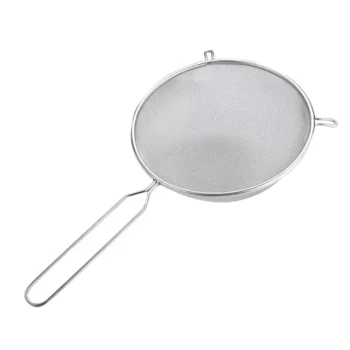
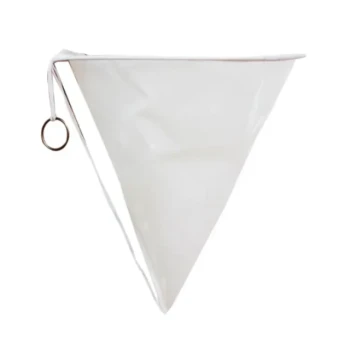
Wire mesh and muslin cloth serve as the fundamental physical barriers in the primary stage of honey filtration. Their specific role is to intercept and remove macroscopic solid impurities—such as wax particles, bee debris, and soil—immediately after the honey is manually pressed or extracted. This process establishes the necessary baseline for hygiene and visual clarity required to meet local market standards.
The primary value of these consumables lies in their ability to mechanically purify honey of visible contaminants while maintaining efficient flow rates, ensuring the product is hygienically sound for packaging or storage.
The Mechanics of Primary Purification
Intercepting Physical Contaminants
The extraction process inherently introduces foreign matter into raw honey. Wire mesh and muslin cloth act as immediate interception points.
They physically block larger particulates that compromise quality. This includes beeswax residues, larval debris, soil particles, and fragments of bee parts that inevitably mix with the honey during harvest.
Enhancing Market Transparency
Beyond simple hygiene, these consumables play a critical economic role. They transform raw, debris-laden extraction into a product with high visual clarity.
By removing unsightly solids, the filtration process ensures the honey possesses the "market transparency" consumers associate with quality. This is often the deciding factor in whether a batch meets the grade for local sale.
Strategic Objectives of the Filtration Stage
Preparation for Storage and Analysis
Filtration is not merely aesthetic; it is a preparatory step for the honey's lifecycle. Single-layer fine mesh or cloth prepares the honey for subsequent sterile storage.
Furthermore, by standardizing the liquid's consistency, this primary filtration facilitates detailed physicochemical analysis. It ensures that samples tested are representative of the honey itself, rather than the debris suspended within it.
Preserving Botanical Characteristics
A critical function of using these specific consumables is the selectivity of the filtration. While they remove large impurities, they are generally designed to allow microscopic elements to pass through.
This ensures that while the honey becomes visually clear, it retains its botanical identity. Essential microscopic pollen grains remain in the final product, preserving the honey's nutritional profile and floral character.
Understanding the Trade-offs
Flow Rate vs. Filtration Efficiency
The effectiveness of wire mesh or muslin cloth is a balance between throughput and purity.
A mesh that is too fine may clog rapidly, halting production and requiring frequent changes of the consumable. Conversely, a mesh that is too coarse will fail to trap smaller wax chips, compromising the visual grade of the honey.
Hygiene vs. Over-Processing
The goal of this stage is physical purification, not sterilization.
Operators must ensure that the cloth or mesh is clean to prevent introducing new contaminants. However, they must also avoid over-filtering to the point where the honey loses the natural pollen that defines its source and flavor profile.
Making the Right Choice for Your Goal
To select the appropriate filtration strategy, consider your end-use requirements:
- If your primary focus is immediate retail sale: Prioritize finer muslin cloth to maximize visual clarity and remove all visible wax chips, as "market transparency" drives consumer confidence.
- If your primary focus is bulk storage or analysis: Use a standard wire mesh that ensures efficient flow and removes organic debris (larvae/parts) to prevent spoilage, without worrying about perfect optical clarity.
Effective filtration is the bridge that connects the raw harvest to a safe, marketable, and high-quality consumer product.
Summary Table:
| Filtration Tool | Primary Role | Target Impurities | Key Benefit |
|---|---|---|---|
| Wire Mesh | Mechanical Interception | Wax particles, bee debris, soil | High flow rate for bulk processing |
| Muslin Cloth | Fine Visual Clarification | Small wax chips, fine particulates | Superior market transparency for retail |
| Single-layer Mesh | Storage Preparation | Large organic debris | Prevents spoilage during long-term storage |
Elevate Your Honey Quality with HONESTBEE Professional Solutions
At HONESTBEE, we understand that primary filtration is the critical bridge between a raw harvest and a premium, marketable product. As a dedicated partner to commercial apiaries and distributors, we provide more than just consumables; we offer a comprehensive wholesale ecosystem designed to scale your operations.
From precision wire mesh and muslin cloth consumables to advanced honey-filling machines and specialized beekeeping hardware, our portfolio is engineered to maximize your yield and visual clarity. Whether you are equipping a large-scale facility or sourcing high-quality tools for distribution, HONESTBEE delivers the reliability your business demands.
Ready to optimize your production and meet the highest market standards?
Contact HONESTBEE Today for a Custom Quote
References
- Suroj Pokhrel. Comparitive Benefits of Beekeeping Enterprise in Chitwan, Nepal. DOI: 10.3126/aej.v10i0.2129
This article is also based on technical information from HonestBee Knowledge Base .
Related Products
- Nylon Honey Strainer Square Filter Cloth for Honey Filters
- Conical Nylon Honey Strainer Filter Bag for Beekeeping and Honey Filtration
- Professional Stainless Steel Honey Filter with Support Handle
- Stainless Steel Triangle Support Honey Strainer and Filters
- Professional Square Folding Wire Mesh Beekeeping Veil
People Also Ask
- What is the significance of using professional filter cloths or sieves in honey processing? Ensure Purity and Quality
- What is the simple straining method for processing honey? A Cost-Effective Guide to Pure Extraction
- What cloth for straining honey? The Best Materials for Clean, High-Quality Honey
- What size mesh to strain honey? A Guide to the Standard Double-Sieve Method
- Why is specialized filter cloth preferred over the traditional squeezing method for wild honey? Achieve Higher Purity