In the field diagnosis of American Foulbrood (AFB), a fine wooden stick serves as the primary physical probe used to evaluate the viscosity of dead larval remains. By inserting the stick into a suspect cell and slowly withdrawing it, the beekeeper attempts to stretch the decomposed larvae into a thread-like structure to confirm infection.
The wooden stick enables the "ropey test," a critical field diagnostic method. It verifies the presence of specific bacterial infections by determining if larval remains are viscous enough to be drawn into a silk-like thread several centimeters long, allowing for immediate differentiation from other brood diseases.
The Mechanics of the Ropey Test
Probing the Suspect Material
The process begins by identifying larval remains that appear viscous or suspicious.
The fine wooden stick is inserted directly into the remains of the dead larva within the honeycomb cell.
Evaluating Viscosity
Once the stick is inserted, it is slowly and carefully withdrawn from the cell.
The goal is to test the elasticity and consistency of the biological material adhering to the wood.
Interpreting the Result
If the larval remains adhere to the stick and can be drawn out into a thread-like silk, the test is considered positive.
Supplementary data indicates this thread typically extends for several centimeters, a distinct physical property caused by the bacterial degradation associated with AFB.
The Strategic Value of the Tool
Distinguishing Between Diseases
Honeybee larvae can die from various causes, complicating diagnosis based on visual symptoms alone.
The wooden stick allows the beekeeper to distinguish AFB from other conditions, as this specific "ropiness" is a hallmark of American Foulbrood.
Enabling Precise Management
Accurate identification is the prerequisite for effective intervention.
By confirming the specific bacterial infection in the field, beekeepers can apply the correct antibiotics or management strategies immediately, rather than guessing or applying broad-spectrum treatments unnecessarily.
Understanding the Trade-offs
Field Diagnosis vs. Laboratory Precision
While the ropey test provides a rapid confirmation of clinical outbreaks, it is primarily a field tool.
It allows for quick decision-making in the absence of laboratory facilities, but it relies on the physical properties of the decomposition rather than genetic identification of the pathogen.
The Necessity of Visual Context
The wooden stick is effective only when used on cells that already exhibit visual symptoms.
Before using the stick, you must identify signs such as sunken or perforated cell cappings or darkened larval color to ensure you are testing the correct cells.
Making the Right Choice for Your Goal
To effectively manage hive health, apply the results of the ropey test as follows:
- If your primary focus is immediate containment: Treat a positive ropey test (thread formation) as a confirmed clinical outbreak and initiate disease control strategies immediately.
- If your primary focus is distinct diagnosis: Use the stick to differentiate AFB from other brood ailments; if the remains do not rope, investigate other causes or collect samples for laboratory confirmation.
The fine wooden stick transforms a visual suspicion into a physical confirmation, bridging the gap between observation and action.
Summary Table:
| Diagnostic Step | Action with Wooden Stick | Result Interpretation |
|---|---|---|
| Probe | Insert stick into suspect dead larva cell | Targets viscous remains for testing |
| Withdrawal | Slowly pull the stick away from the cell | Tests elasticity of biological material |
| Observation | Check for a thread-like silk extension | Positive if thread reaches several centimeters |
| Differentiation | Compare consistency with other brood diseases | Distinguishes AFB from non-ropey infections |
Secure Your Apiary’s Health with HONESTBEE
Effective disease management starts with the right tools and professional equipment. HONESTBEE supports commercial apiaries and wholesale distributors with a comprehensive range of beekeeping solutions. Whether you need specialized hive-making machinery, honey-filling equipment, or high-quality consumables for field diagnostics, we provide the industrial-grade tools you need to maintain a productive and healthy operation.
Ready to scale your beekeeping business? Contact us today to explore our wholesale catalog and discover how our expertise in apiculture equipment can drive your success.
References
- Vikash Chandra, Archana Singh. Management of Colony Collapse Disorder in Honeybee (Apis mellifera): A Farmer’s Friendly Approach Running Head: Management of Colony Collapse Disorder in Honeybee. DOI: 10.20546/ijcmas.2019.802.298
This article is also based on technical information from HonestBee Knowledge Base .
Related Products
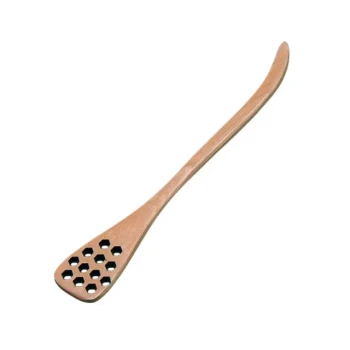
- Modern Honeycomb Pattern Wooden Honey Dipper for Stirring and Drizzling
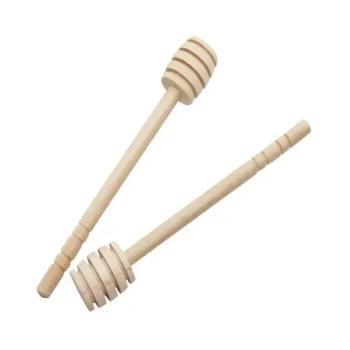
- Natural Wood Honey Dipper for Tea Coffee and Desserts
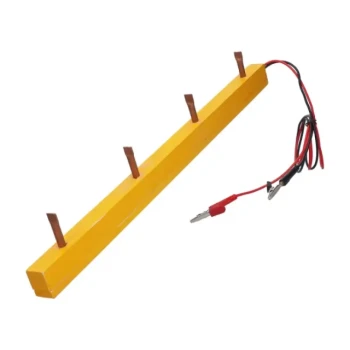
- HONESTBEE Wooden Bar Copper Prong Wire Embedder for Battery Operation
- HONESTBEE Premium Italian Style Hive Tool with Hardwood Handle
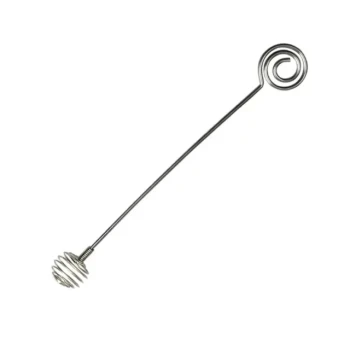
- Modern Stainless Steel Honey Dipper Stirrer
People Also Ask
- What is the proper method for cleaning a honey dipper? Maintain Pure Flavor with These Easy Pro Tips
- What is a honey dipper and what is it used for? A Guide to Mess-Free Drizzling
- What is a honey dipper? Master the Art of the Perfect Drizzle with This Essential Tool
- What is a honey taking spoon called? Discover the Tool for a Perfect, Mess-Free Drizzle
- How do you clean and store a honey dipper? Simple Steps for Long-Lasting Performance