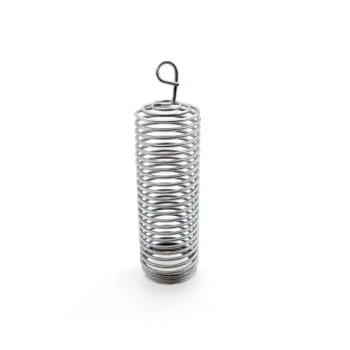
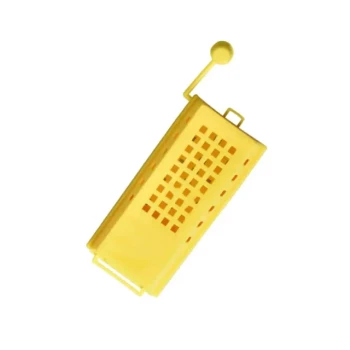
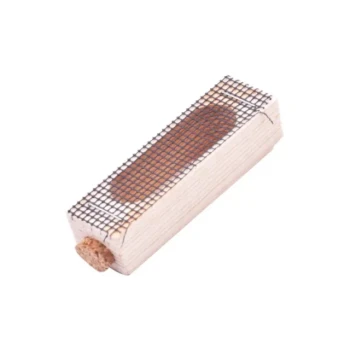
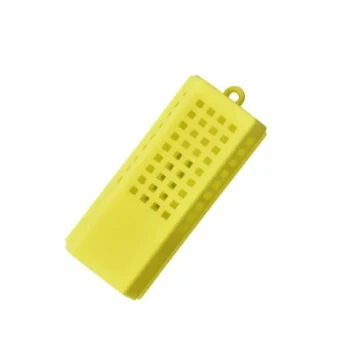
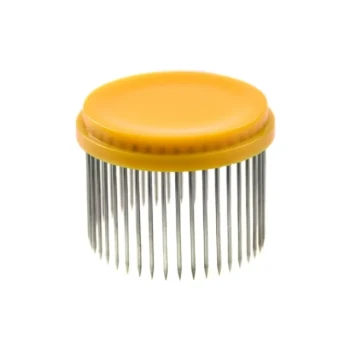
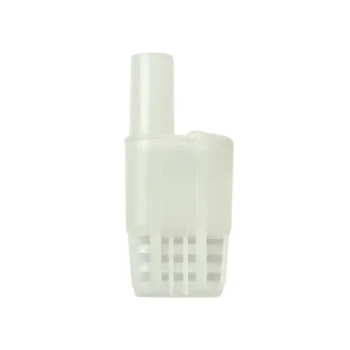
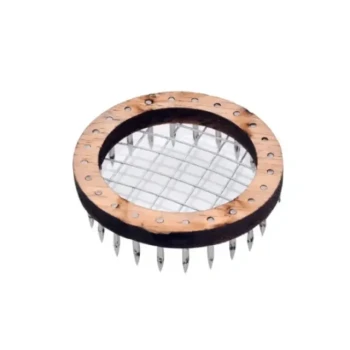
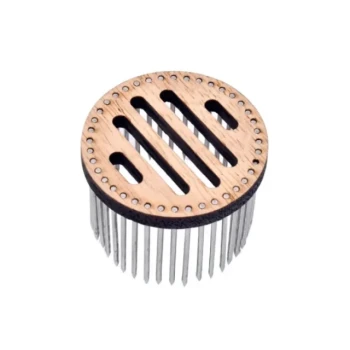
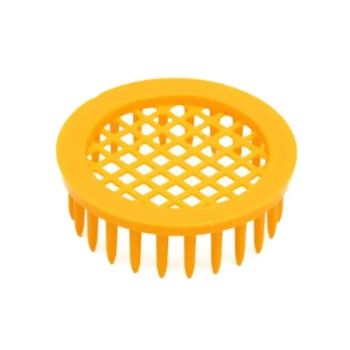
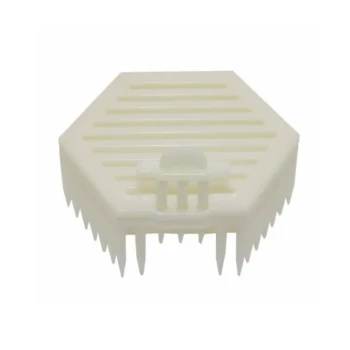
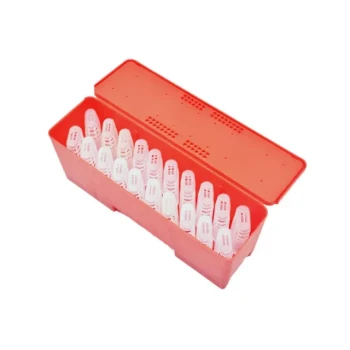
A queen cage serves as the foundational tool for implementing an artificial brood-break strategy in honeybee colonies. By physically confining the queen to suspend egg-laying, the device interrupts the colony’s reproductive cycle, eventually resulting in a hive completely void of capped brood.
The core purpose of the queen cage in this context is to eliminate the physical refuge where Varroa mites reproduce. By forcing a broodless state, all mites are compelled to migrate onto adult bees, rendering them fully vulnerable to contact-based treatments.
The Mechanics of Artificial Brood Interruption
Suspending Egg-Laying
The primary function of the queen cage is to restrict the queen's movement while keeping her safely within the colony.
While confined, the queen cannot access empty comb cells to lay eggs. This immediate suspension of egg-laying is the catalyst for the entire biological control process.
Eliminating the Mite Safe Haven
Varroa mites rely on capped brood cells to reproduce and protect themselves from external threats.
As the existing brood in the hive matures and emerges, and no new eggs are laid to replace them, the colony eventually runs out of capped cells. The cage effectively removes the mites' reproductive habitat.
Maximizing Treatment Exposure
Forcing Mite Migration
When there is no capped brood available, Varroa mites have nowhere to hide.
The absence of brood compels the entire mite population to attach themselves to adult worker bees. This is often referred to as the phoretic stage.
Creating the Treatment Window
Once all mites are exposed on the surface of the bees, the colony enters an optimal window for treatment.
This exposure significantly increases the success rate of contact-based "soft miticides," such as oxalic acid. Because these treatments cannot penetrate capped wax cells, the brood-break ensures no mites escape the application.
Understanding the Trade-offs
Temporary Growth Stagnation
Using a queen cage to break the brood cycle inherently pauses colony expansion.
Because no new bees are being produced during the confinement period, the population will temporarily stagnate or slightly decline due to natural attrition. This must be weighed against the benefit of a lower mite load.
Critical Timing Requirements
The strategy relies on precise timing to be effective.
You must confine the queen long enough for all existing brood to emerge, but not so long that the colony's population becomes critically low. Mismanaging the timeline can weaken the colony rather than save it.
Making the Right Choice for Your Goal
To effectively utilize a queen cage for Varroa control, you must align the technique with your specific management objectives.
- If your primary focus is maximizing treatment efficacy: Ensure the queen remains confined until every single capped brood cell has hatched before applying oxalic acid.
- If your primary focus is minimizing chemical use: Use this method to rely on "soft" treatments like organic acids rather than hard synthetic chemicals, leveraging the exposure of the mites.
By synchronizing the queen's confinement with the mite's lifecycle, you transform a simple cage into a powerful biological control instrument.
Summary Table:
| Feature | Impact on Varroa Control |
|---|---|
| Queen Confinement | Suspends egg-laying to halt the reproductive cycle of mites. |
| Brood Elimination | Removes capped cells, leaving mites with no refuge to hide or breed. |
| Phoretic Exposure | Forces mites onto adult bees, ensuring 100% vulnerability to treatments. |
| Treatment Window | Creates an optimal period for organic miticides like oxalic acid to work. |
Optimize Your Apiary with Professional Tools from HONESTBEE
Are you a commercial apiary or a distributor looking to scale your Varroa management strategies? HONESTBEE is your premier partner for high-quality beekeeping hardware. From precision-engineered queen cages essential for brood-break cycles to advanced honey-filling and hive-making machinery, we provide the full spectrum of tools needed to run a successful operation.
Our Value to You:
- Comprehensive Wholesale Offering: A one-stop shop for tools, machinery, and consumables.
- Industry Expertise: Solutions tailored for high-volume commercial needs.
- Diverse Portfolio: Including everything from specialized hardware to honey-themed cultural merchandise.
Ready to enhance your productivity and hive health? Contact us today to discuss your wholesale needs and see how HONESTBEE can support your growth.
References
- Robert Brodschneider, Alison Gray. Spatial clusters of Varroa destructor control strategies in Europe. DOI: 10.1007/s10340-022-01523-2
This article is also based on technical information from HonestBee Knowledge Base .
Related Products
- Durable Galvanized Steel Spring Queen Bee Cage
- Professional Queen Cage with Sliding Gate and Feeder Plug
- Classic Wooden and Mesh California Queen Cage
- Professional Queen Bee Introduction and Transport Cage
- Professional Multi-Functional Queen Bee Cage
People Also Ask
- Why are specialized queen bee cages used for the banking of mated queen bees? Maximize Commercial Apiary Storage Efficiency
- What is the mechanism of action for using temporary queen bee cages? Master Successful Queen Introduction
- What is the step-by-step process for installing a queen bee's cage onto a frame? Ensure Hive Acceptance Safely
- What is the optimal placement for a queen bee cage? Essential Strategies for Successful Re-queening
- What are the advantages and disadvantages of introducing a queen bee by embedding the cage? Boost Your Queen Acceptance