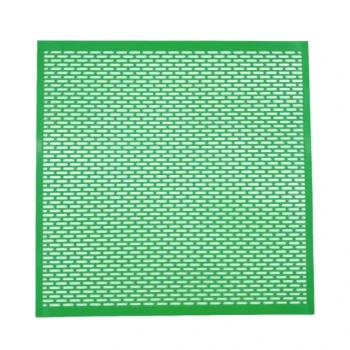
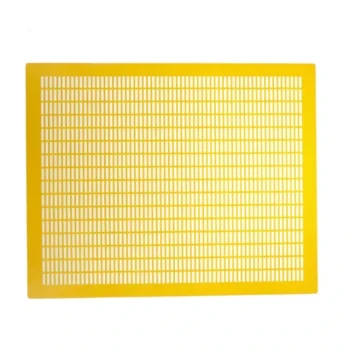
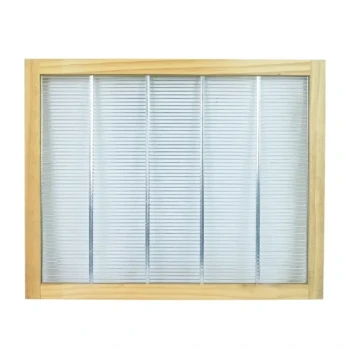
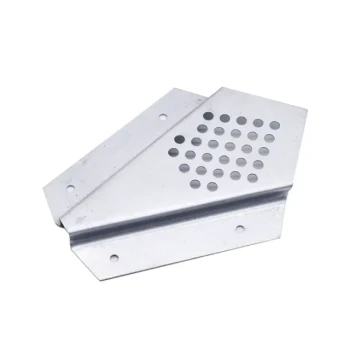
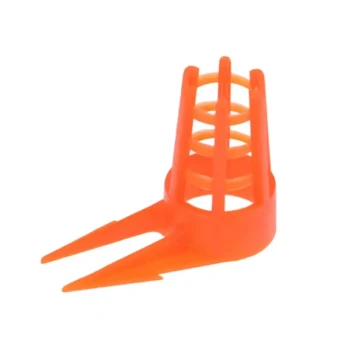
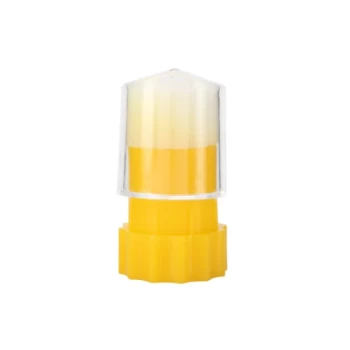
The queen excluder is a precision tool designed for segregation. It functions as a mechanical barrier placed between the lower brood chamber and the upper honey supers. By utilizing the specific body size difference between the larger queen and the smaller worker bees, it physically prevents the queen from entering the harvesting area while allowing workers to pass through freely.
By strictly confining the queen to the lower brood chamber, the excluder ensures that honey supers are used exclusively for nectar storage. This separation prevents the contamination of honey with brood, larvae, and biological debris, guaranteeing a cleaner harvest and a higher market grade product.
The Mechanics of Separation
Utilizing Body Size Differences
The fundamental principle of the queen excluder is its precise pore size. The grid is engineered with gaps large enough for worker bees to traverse effortlessly but too narrow for the queen's larger abdomen to pass. This simple mechanical filter dictates the biological traffic flow within the hive structure.
Defining Hive Zones
This tool creates a hard boundary between the hive's two primary functions: reproduction and food storage. The queen is restricted to the "brood chamber" at the bottom, where she lays eggs and the colony raises young. The upper boxes, or "supers," remain strictly reserved for the accumulation of honey.
Preserving Honey Quality and Purity
Eliminating Biological Contamination
The primary role of the excluder regarding purity is the prevention of brood rearing in the honey supers. Without this barrier, a prolific queen will often move upward to lay eggs in the honey frames. Harvesting honey from frames containing larvae or pupae introduces significant biological contaminants and fluids into the final product, compromising its purity.
Controlling Impurity Levels
Beyond preventing brood contamination, the excluder assists in managing other impurities. By isolating the brood nest, beekeepers can ensure that the upper combs are free from "bee bread" (stored pollen) and brood debris. This allows for the selective extraction of honey combs, resulting in a product with lower impurity levels and precise control over pollen density.
Improving Hive Management Efficiency
Streamlined Extraction
When a queen excluder is in place, the extraction process becomes significantly more efficient. Beekeepers do not need to inspect individual honey frames for the presence of brood before harvesting. There is a guarantee that the supers contain only honey, eliminating the need to sort frames or manage mixed-use combs.
Resource Redirection
In some management strategies, restricting the queen's movement helps redirect the colony's energy. By confining egg-laying to a specific area, the colony can focus its resources on collecting and processing nectar rather than feeding an expanding brood in the upper levels. This can enhance the processing efficiency of the colony during major nectar flows.
Understanding the Trade-offs
Potential Impact on Population Growth
While excluders guarantee purity, they can influence the colony's demographics. Colonies without excluders may build larger populations because the queen has unrestricted access to lay eggs anywhere in the hive. A larger population can sometimes translate to higher overall productivity, provided the extraction process can handle the mixed frames.
Swarming Behavior
Crowding the queen into the lower chamber can inadvertently trigger swarming impulses if not managed correctly. If the brood nest becomes "honeybound" (filled with nectar) or too congested, the colony may attempt to swarm. Beekeepers must balance the need for honey purity with the need for sufficient space in the brood chamber.
Making the Right Choice for Your Apiary
The decision to use a queen excluder depends on your specific production goals and market requirements.
- If your primary focus is producing high-purity retail honey: You must use an excluder to guarantee the absence of larvae and brood debris, ensuring a cleaner, higher-grade product.
- If your primary focus is rapid colony expansion: You might forgo the excluder temporarily to allow the queen unrestricted laying space to maximize the workforce population.
- If your primary focus is operational speed: Use an excluder to eliminate the time-consuming task of inspecting honey supers for the queen or brood during harvest.
Ultimately, the queen excluder is the industry standard for ensuring that the honey in the jar is nothing but honey.
Summary Table:
| Feature | Impact on Honey Purity | Management Benefit |
|---|---|---|
| Biological Barrier | Prevents larvae, pupae, and brood debris in supers | Guarantees a cleaner, higher-grade market product |
| Zonal Separation | Keeps "bee bread" (pollen) out of honey frames | Allows for selective extraction and lower impurity levels |
| Mechanical Filter | Restricts queen movement via precise grid sizing | Eliminates need for frame-by-frame inspection during harvest |
| Resource Focus | Concentrates nectar processing in upper supers | Enhances colony efficiency during peak nectar flows |
Elevate Your Honey Production with HONESTBEE
At HONESTBEE, we understand that maintaining peak purity is essential for commercial success. As a dedicated partner to commercial apiaries and distributors, we provide the full spectrum of high-quality beekeeping equipment—from precision-engineered queen excluders to industrial honey-filling machines and hive-making hardware.
Whether you are looking to streamline your extraction process or scale your distribution with premium consumables and cultural merchandise, our wholesale solutions are designed to enhance your efficiency and product value.
Ready to upgrade your apiary’s performance? Contact us today to discuss our comprehensive wholesale offerings and discover how we can help your business thrive.
References
- Taye Beyene, Mekonen Woldatsadik. Investigating the Causes of Honeybee Colony Mobility in Central Rift Valley of Oromia, Ethiopia. DOI: 10.7176/fsqm/108-01
This article is also based on technical information from HonestBee Knowledge Base .
Related Products
- High Performance Plastic Queen Excluder for Beekeeping and Apiary Management
- Professional Plastic Queen Excluder for Modern Beekeeping
- Lightweight Durable Plastic Queen Excluder Scraper for Beekeeping
- Metal Queen Bee Excluder for Beekeeping
- Premium Wood Framed Metal Wire Queen Bee Excluder
People Also Ask
- What are the characteristics of a plastic queen excluder? Key Benefits for Cost-Effective Beekeeping
- What are the operational and cost advantages of using plastic queen excluders over metal or wire excluders in commercial hive management? Discover how they reduce labor, prevent wing damage, and lower total costs.
- What types of queen excluders are available for beekeepers? Choose the Right Tool for Your Hive
- Why are standardized hive frames and queen excluders essential for maintaining honey purity and quality? Scale Your Purity
- Do plastic queen excluders work? A Cost-Effective Solution for Modern Apiaries