A stainless steel mouse guard functions as a specialized physical barrier installed at the beehive entrance to filter traffic based on size. It fits snugly over the hive opening, creating a blockade that prevents rodents from entering to seek warmth or steal resources. While the guard effectively excludes pests that would otherwise damage the internal structure, it features precisely sized holes that allow bees to continue their normal entry and exit routines without obstruction.
The mouse guard acts as a critical selective filter, safeguarding the hive's honey reserves and beeswax comb from rodent destruction while maintaining necessary access for the colony.
The Mechanics of Hive Defense
Selective Permeability
The core function of the mouse guard is size-based exclusion. The device relies on a specific grid or hole pattern that is mechanically too small for a mouse's skull and body to pass through.
However, these openings are calibrated to be just large enough for worker bees to traverse freely. This design ensures that the colony is not sealed off, allowing for cleansing flights and ventilation while strictly prohibiting larger intruders.
Material Durability
Using stainless steel provides a distinct tactical advantage over wood or plastic alternatives. Rodents are capable of gnawing through softer materials to widen an opening.
A stainless steel guard resists these physical attacks, ensuring the barrier remains compromised regardless of the persistence of the pest. It also withstands weather exposure without warping or rusting, maintaining a precise fit over the entrance.
Why Exclusion is Critical
The Attraction of the Hive
Mice are opportunistic survivors, particularly during colder months. A beehive offers two critical resources that attract rodents: thermal regulation and high-calorie food.
Because hives are typically located near the ground and generate heat from the bee cluster, they present an ideal nesting site for mice seeking shelter from winter conditions.
preventing Structural and Resource Damage
Once inside, a mouse does not simply occupy space; it actively destroys hive infrastructure. The primary reference notes that mice will deplete honey reserves, robbing the bees of their winter food source.
Furthermore, they cause physical destruction to the beeswax combs by gnawing through frames to build nests. Supplementary data indicates this also introduces unsanitary conditions, including urine and nesting debris, which can compromise the colony's health even after the rodent is removed.
Understanding the Trade-offs
Installation Timing Risks
The most significant operational risk involves the timing of installation. Because the guard is a physical barrier, installing it after a mouse has already entered the hive locks the predator inside with the prey.
This scenario can lead to the destruction of the colony from the inside out, as the trapped mouse will consume the bees and stores to survive.
Ventilation and Debris Buildup
As a type of entrance reducer, a mouse guard inherently restricts airflow and the ability of bees to remove dead bodies (undertaker behavior) from the hive.
While this restriction helps conserve heat in winter, beekeepers must monitor the entrance to ensure the small holes do not become clogged with debris or dead bees, which could suffocate the colony.
Making the Right Choice for Your Goal
To effectively utilize a stainless steel mouse guard, consider your specific management objectives:
- If your primary focus is Colony Survival: Install the guard in late autumn before temperatures drop significantly to deter mice seeking initial warmth.
- If your primary focus is Equipment Longevity: Prioritize stainless steel models over plastic to prevent chewing damage and ensure the guard lasts for multiple seasons.
By securing the entrance with a durable, precisely sized guard, you convert a vulnerable opening into a fortified checkpoint that preserves the integrity of the hive.
Summary Table:
| Feature | Benefit | Importance |
|---|---|---|
| Stainless Steel Material | Resists gnawing and corrosion | High: Prevents pest entry via chewing |
| Calibrated Openings | Allows bee traffic, blocks mice | Critical: Maintains colony activity |
| Selective Barrier | Protects honey and wax combs | High: Preserves food and infrastructure |
| Physical Durability | Weather-resistant and long-lasting | Medium: Cost-effective for multiple seasons |
Secure Your Apiary with HONESTBEE Professional Equipment
At HONESTBEE, we understand that commercial apiaries and distributors require durable solutions to protect their investments. Our high-quality stainless steel mouse guards and entrance reducers are just one part of our comprehensive wholesale offering. From specialized hive-making machinery and honey-filling systems to a full spectrum of beekeeping tools and industry consumables, we provide the hardware you need to scale your operations.
Ready to fortify your hives and optimize your honey production? Contact our expert team today to discuss wholesale pricing and discover how our cultural merchandise and specialized equipment can add value to your business.
Related Products
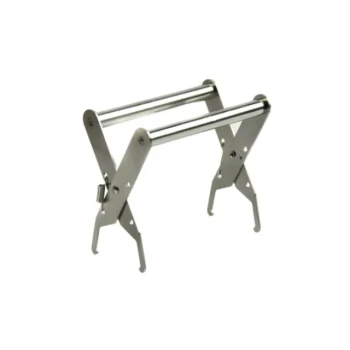
- Heavy-Duty Stainless Steel Frame Grip
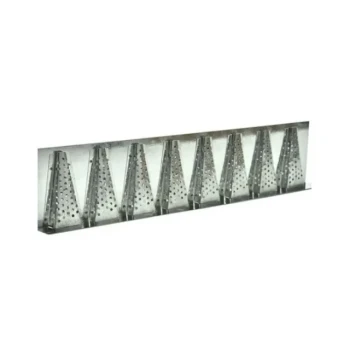
- 8-Cone Galvanized Steel Bee Robber Guard
- Heavy Duty Stainless Steel Queen Bee Catcher Clip
People Also Ask
- What is the purpose of using frame grips in beekeeping operations? Elevate Your Apiary Precision & Hive Safety
- What is a frame grip and how is it used? Secure Your Hive Inspections with Ease
- What are the benefits of using Frame Grips in beekeeping? Boost Efficiency & Protect Your Hive
- How should frame grips be cared for after use? Essential Cleaning & Storage Tips for Beekeepers
- What is the step-by-step process for using frame grips during a hive inspection? Master Safe Frame Handling Today