The primary role of an indoor controlled environment overwintering room is to function as a thermal expansion tool for the honeybee cluster. By precisely regulating the ambient temperature to 15±1°C, the room prevents the colony from forming a tight winter cluster. Instead, it induces the bees to spread out across the frames, ensuring that bulk-stored queens located on the outer edges are adequately covered, warmed, and fed.
Core Takeaway The success of bulk queen storage relies on manipulating bee behavior through temperature. Unlike traditional cold overwintering, maintaining the environment at 15°C forces the colony cluster to expand rather than contract, preventing queens stored at the periphery from entering a fatal chill coma.
The Mechanics of Thermal Regulation
The 15°C Threshold
The defining characteristic of this storage method is the strict regulation of ambient temperature at 15±1°C.
This is significantly higher than traditional low-temperature overwintering environments. The specific target of 15°C is calculated to change the physical structure of the bee colony.
Inducing Cluster Expansion
In colder temperatures, honeybees naturally contract into a dense ball to conserve heat, leaving the outer edges of the hive cold.
The controlled room prevents this contraction. The warmer ambient air encourages the honeybee cluster to remain loose and expanded, occupying a larger surface area of the frames.
Protecting Peripheral Queens
In a bulk storage setup, queen cages are often positioned on the outer edges of the frames to maximize space.
Because the cluster is expanded, worker bees cover these outer areas. This prevents the queens from entering a chill coma or dying from exposure, resulting in significantly higher survival rates compared to traditional methods.
The Queen Bank System
High-Density Storage
This environment supports the "Queen Bank" concept, where a single colony acts as a reservoir for multiple mated queens.
This specialized managed colony allows for the simultaneous storage and maintenance of queens for months at a time. It also allows queens to age to 24–31 days, which can improve early survival rates compared to queens removed prematurely from mating nuclei.
Specialized Barrier Cages
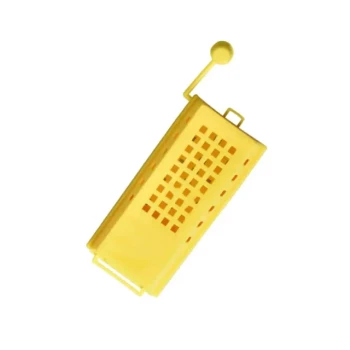
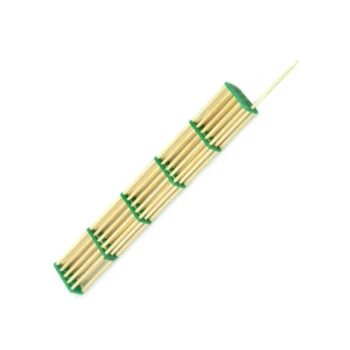
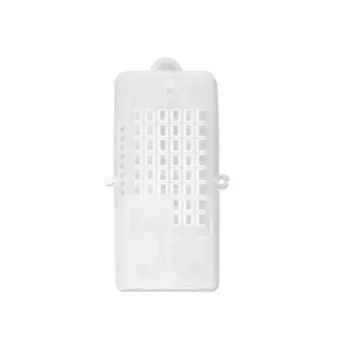
To make this coexistence possible, queens are housed in specialized cages with a fine mesh structure.
This mesh acts as a physical barrier to prevent aggression between queens while allowing worker bees to interact with them. It ensures the queens can maintain antennal communication and receive care without the risk of injury.
Social and Nutritional Support
The system relies on a "miniature social balancing system" involving specific numbers of attendant worker bees.
Through the mesh, workers provide nutrition via trophallaxis and help maintain the queen's pheromone levels. This social regulation reduces transportation stress and preserves the queen's physiological potential, such as sperm viability.
Monitoring and Environmental Control
Data-Driven Ventilation
Technicians do not rely on ambient room temperature alone; they use environmental data loggers placed inside the colonies.
These loggers record real-time fluctuations in temperature and humidity, reflecting the colony's metabolic state.
Maintaining Internal Micro-Climates
The goal of the room's ventilation and temperature systems is to support an internal colony temperature of approximately 30°C.
By analyzing logger data, technicians can adjust the room's parameters to ensure the colony has the capacity to thermoregulate effectively without exhausting its energy reserves.
Understanding the Trade-offs
Operational Complexity
This method requires active management. Unlike passive cold storage, this system demands continuous monitoring of data loggers to balance the room's ambient conditions with the colony's internal metabolic heat.
Energy vs. Survival
maintaining a room at 15°C requires more energy input than near-freezing storage. However, this cost is generally offset by the reduction in livestock loss (queen mortality) and the ability to bank high volumes of queens safely.
Making the Right Choice for Your Goal
To determine if a controlled environment overwintering room is appropriate for your operation, consider your primary objectives:
- If your primary focus is maximizing queen survival: Implement the 15°C ambient standard to force cluster expansion and eliminate chill coma risks for queens on the frame edges.
- If your primary focus is bulk inventory management: Utilize the Queen Bank structure within this controlled room to mature queens to 24+ days, ensuring they are robust before final introduction.
- If your primary focus is quality assurance: Install internal data loggers to verify that the colony is maintaining the critical 30°C internal micro-climate required for metabolic stability.
By substituting cold stasis with active thermal regulation, you transform overwintering from a survival challenge into a managed preservation strategy.
Summary Table:
| Feature | Specification | Role in Bulk Queen Storage |
|---|---|---|
| Ambient Temperature | 15±1°C | Prevents cluster contraction; ensures peripheral queen coverage. |
| Internal Micro-climate | ~30°C | Maintains metabolic stability and queen health. |
| Storage Method | Queen Bank System | Allows high-density storage and maturation (24-31 days). |
| Monitoring Tool | Data Loggers | Tracks real-time colony thermoregulation and humidity. |
| Equipment Used | Fine Mesh Cages | Facilitates trophallaxis while preventing queen aggression. |
Scale Your Queen Rearing Operation with HONESTBEE
Maintaining the perfect thermal environment is critical for commercial apiaries and distributors. At HONESTBEE, we provide the specialized beekeeping tools and machinery needed to manage high-density queen banks and overwintering facilities successfully.
From advanced hive-making equipment to precision machinery and essential consumables, our comprehensive wholesale portfolio is designed to enhance your operational efficiency and reduce livestock loss.
Ready to optimize your overwintering strategy?
Contact HONESTBEE today to explore our full spectrum of professional beekeeping solutions.
References
- Mireille Lévesque, Pierre Giovenazzo. Impacts of indoor mass storage of two densities of honey bee queens (<i>Apis mellifera</i>) during winter on queen survival, reproductive quality and colony performance. DOI: 10.1080/00218839.2022.2126613
This article is also based on technical information from HonestBee Knowledge Base .
Related Products
- Twin Queen Styrofoam Honey Bee Nucs Mating and Breeding Box
- Automatic Heat Preservation 6 Frame Pro Nuc Box for Honey Bee Queen Mating
- Professional Queen Cage with Sliding Gate and Feeder Plug
- Langstroth Honey Bee Box Hive Boxes for Different Depths
- Wooden Queen Bee Excluder for Beekeeping
People Also Ask
- What are the benefits of using double nuc boxes in beekeeping? Boost Apiary Resilience & Growth
- What are the practical advantages of a double nuc box? Maximize Efficiency with Standardized Beekeeping Gear
- What is the frame capacity of each side in a double nuc box? Master Queen Rearing & Colony Starts
- What are the advantages of double nuc boxes in winter? Boost Survival Rates & Apiary Resilience
- What is the purpose of exploring double nuc boxes in beekeeping? Boost Apiary Resilience & Growth