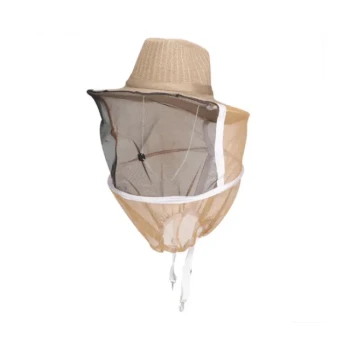
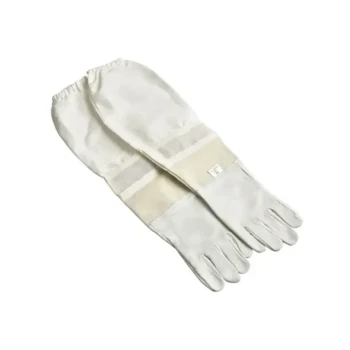
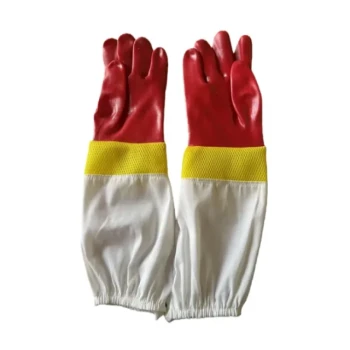
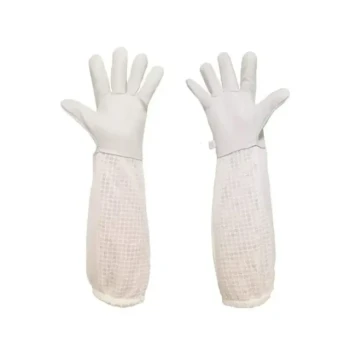
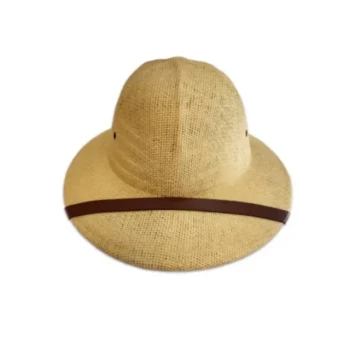
Full beekeeping protective gear functions as a definitive calibration tool for quantifying honeybee behavior. In the context of subjective assessment, items like veils, masks, and gloves serve as the baseline metric for international breeding standards. The strict necessity of this equipment, coupled with the frequency of attacks against it, allows observers to accurately distinguish between aggressive and gentle colonies.
Core Takeaway While "gentleness" is often considered a subjective biological trait, the requirement for protective gear converts it into an objective operational standard. By measuring the necessity of labor protection, breeders transform abstract behavioral observations into concrete data points.
Transforming Abstract Behavior into Concrete Data
The Gear as a Measurement Standard
In bee breeding assessments, protective gear is not merely for safety; it is a core indicator of colony temperament.
Subjective terms like "calm" or "angry" are difficult to standardize across different observers. However, the presence or absence of protective equipment creates a binary, operational benchmark. This approach grounds the assessment in labor protection requirements.
Quantifying Attacks
The equipment acts as a target that facilitates counting.
Observers assess behavior based on the frequency of bee attacks on the wearer. By noting how often bees strike the veil, mask, or gloves, an observer can move away from vague feelings of danger toward a countable metric of aggression.
The International Breeding Standards Spectrum
Identifying Aggression (Level 1)
The primary reference indicates that behavior scoring systems use gear to identify the lower end of the gentleness spectrum.
A colony is classified as aggressive (Level 1) when the observer determines that full protective clothing is an absolute necessity to work the hive safely. If the bees launch frequent attacks on the gear, the colony fails the gentleness test.
Defining Gentleness (Level 4)
Conversely, the gear helps define the ideal standard for gentleness.
A colony achieves a high score of gentle (Level 4) when the necessity for full protective gear diminishes. The assessment relies on the inverse relationship between the need for armor and the docility of the bees.
Understanding the Trade-offs
Reliance on Human Perception of Risk
Using gear as a proxy for gentleness relies heavily on the observer's judgment regarding "necessity."
One beekeeper might feel full gear is necessary at the slightest sign of agitation, while another might tolerate more activity before suiting up. This introduces a variable based on the observer's risk tolerance rather than the bees' actual behavior.
The Limits of "Labor Protection" Logic
Framing biological traits solely through the lens of labor protection is practical but limited.
While effective for commercial breeding, this method focuses on the result of the behavior (danger to the human) rather than the nuance of the behavior itself (e.g., runniness on the comb vs. stinging). It simplifies complex defensive instincts into a safety checklist.
Making the Right Choice for Your Goal
To effectively use protective gear as an assessment tool, you must align your observations with your specific objectives.
- If your primary focus is breeding for docility: Prioritize colonies where full protective gear feels superfluous or optional during routine inspections.
- If your primary focus is commercial safety: Use the strict necessity of gloves and veils as a "fail" condition to immediately identify and cull Level 1 aggression from your apiary.
The role of protective gear is to turn the subjective experience of fear into the objective standard of necessity.
Summary Table:
| Assessment Level | Gear Requirement | Bee Behavior Description | Breeding Classification |
|---|---|---|---|
| Level 1 | Absolute Necessity | Frequent, aggressive attacks on gear | Aggressive (Cull) |
| Level 2 | High Necessity | Agitated behavior; frequent striking | Below Average |
| Level 3 | Moderate/Optional | Calm but alert; occasional defensive hits | Average/Acceptable |
| Level 4 | Minimal/Superfluous | Extremely docile; remains on the comb | Gentle (Ideal) |
Elevate Your Apiary Standards with HONESTBEE
At HONESTBEE, we understand that high-quality protective gear is more than just safety—it's a vital tool for professional assessment. We cater to commercial apiaries and distributors with a comprehensive wholesale offering designed to streamline your operations.
Our portfolio includes everything from full-body protective suits and gloves to advanced honey-filling machines and specialized hive-making hardware. Whether you are scaling a commercial breeding program or supplying local beekeepers, we provide the essential machinery and consumables to ensure efficiency and safety.
Ready to upgrade your equipment? Contact us today to learn how our wholesale solutions can support your business growth.
References
- Mohamad Khaled Zakour, Kaspar Bienefeld. Subjective evaluation of defensive behavior in the Syrian honeybee (Apis mellifera syriaca). DOI: 10.2478/jas-2013-0024
This article is also based on technical information from HonestBee Knowledge Base .
Related Products
- Premium Cowboy Beekeeper Hat with Visibility Veil Outdoor Professional Beekeeping Protective Gear
- Premium Cotton Beekeeper Suit with Reinforced Fencing Veil
- Beekeeper Cowboy Hat and Veil for Beekeeping
- Beekeeping Jacket with Hood and Veil for Beekeepers
- White Cotton Beekeeping Jacket and Veil for Bee Keepers
People Also Ask
- What design features contribute to the stability and fit of the beekeeper hat? Key Features for Maximum Hive Safety
- How is the beekeeper hat designed for comfort and practicality? Explore Key Features for Enhanced Apiary Safety
- What is the general protective gear recommendation for new beekeepers? Your Essential Beginner's Safety Guide
- How does beekeeping protective gear facilitate the queen bee selection process? Enhancing Precision in Queen Breeding
- What should beekeepers consider when choosing protective gear? A Guide for Maximum Safety & Comfort