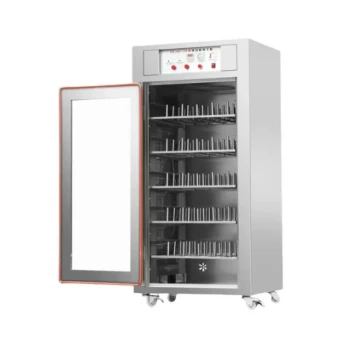
High-temperature steam cleaning equipment is the linchpin of sanitation for recycled artificial queen cells. In the cyclic production of royal jelly, this machinery utilizes high-pressure steam to strip away waste residues, bee secretions, and potential pathogens from reusable components. This creates a sterile, odor-free foundation for the subsequent grafting cycle, which is essential for maintaining the purity of the final product.
Core Takeaway Successful royal jelly production requires a strict separation between equipment maintenance and product handling. While the jelly itself is heat-sensitive, the reused artificial cells require high-temperature sterilization between cycles to prevent cross-contamination and ensure a biologically neutral environment for new larvae.
The Mechanics of Decontamination
Removing Biological Residue
Artificial queen cells are often reused to maximize production efficiency, but they retain debris from previous cycles.
Steam cleaning aggressively removes organic matter. This includes residual wax, larval feces, and dried secretions that simple washing might miss.
Ensuring Pathogen Neutrality
Bee colonies are highly susceptible to bacterial and fungal infections.
High heat is a non-chemical sterilization method. By subjecting the cells to high-temperature steam, the equipment eliminates pathogens that could compromise the health of the hive or the safety of the jelly.
Creating an Odor-Free Environment
Bees are chemically sensitive creatures that communicate and reject anomalies based on scent.
Steam ensures a neutral olfactory baseline. By removing foreign odors, the cleaning process reduces the likelihood of bees rejecting the grafted larvae in the next production cycle.
Distinguishing Equipment Care from Product Care
The Temperature Paradox
It is critical to distinguish between treating the tools and treating the product.
Royal jelly itself is biologically fragile. As noted in industry standards, bioactive substances in royal jelly degrade significantly above 40°C.
Timing the Cycle
High-temperature cleaning occurs solely during the "reset" phase of production.
This process takes place after harvest and before new grafting. The steam cleaning phase must be physically and temporally separated from the storage and transport phases, which require strict cold chain management to preserve nutritional components.
Common Pitfalls to Avoid
Inadequate Cooling Periods
A critical error in cyclic production is rushing the process immediately after cleaning.
Thermal residue can destroy fresh grafts. If artificial cells retain heat from the steam cleaning process, introducing new larvae too quickly can result in heat stress or death, mimicking the damage caused by improper storage.
Material Degradation
Not all artificial queen cells are built for industrial sterilization.
Steam intensity can warp lower-quality plastics. Producers must ensure that the materials used for queen cells are rated for high-temperature and high-pressure exposure to prevent deformation that would make them unusable by the bees.
Making the Right Choice for Your Goal
To balance high standards of hygiene with the biological sensitivity of royal jelly, consider your specific production priorities:
- If your primary focus is contaminant elimination: Prioritize steam cycles with high pressure to fully penetrate micropores in the artificial cells, ensuring zero pathogen carryover.
- If your primary focus is process efficiency: Implement a dedicated cooling zone post-steaming to rapidly bring cell temperatures back to ambient levels before grafting begins.
Effective royal jelly production relies on the discipline to use extreme heat for cleaning tools, while maintaining strict cold for the product itself.
Summary Table:
| Feature | Function in Royal Jelly Production | Benefit to Beekeeping Operations |
|---|---|---|
| Biological Removal | Strips residual wax, larval feces, and secretions | Prevents residue buildup in reusable cells |
| Heat Sterilization | Eliminates bacterial and fungal pathogens | Ensures hive health and product purity |
| Odor Neutralization | Removes foreign scents and chemical signals | Increases bee acceptance of grafted larvae |
| Cycle Efficiency | Rapidly prepares tools for the next grafting | Minimizes downtime in commercial production |
Maximize Your Apiary’s Yield with Professional Equipment
At HONESTBEE, we understand that commercial beekeeping success hinges on the balance between sterile equipment maintenance and delicate product care. We provide a comprehensive wholesale range of specialized beekeeping tools, hive-making machinery, and honey-filling equipment designed to withstand rigorous industrial standards.
Whether you are a commercial apiary or a global distributor, our portfolio offers the hardware and consumables you need to ensure a biologically neutral production environment. Contact us today to upgrade your production line and see how our expertise can drive your business efficiency.
References
- Dimitrios Kanelis, Chrysoula Tananaki. Production and Quality Characteristics of Royal Jelly in Relation to Available Natural Food Resources. DOI: 10.3390/resources13040055
This article is also based on technical information from HonestBee Knowledge Base .
Related Products
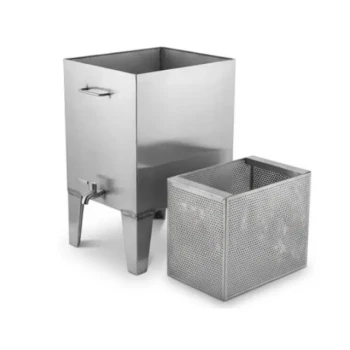
- Steam Beeswax Melter Wax Warmer for Wax Processing
- Premium Heat-Resistant Glass Honey Dipper
- Heavy Duty Stainless Steel Frame Cleaner with Plastic Handle
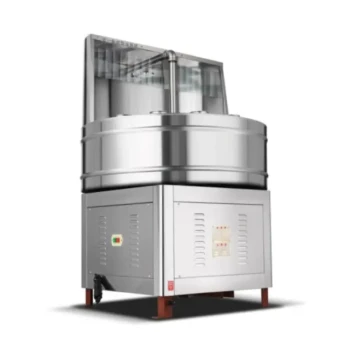
- HONESTBEE 24 Head Rotary Bottle Washing Machine
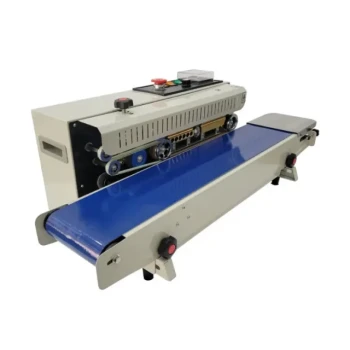
- Automatic Continuous Heat Sealing Machine
People Also Ask
- How does a steam wax melter work? A Fast, Efficient Method for High-Quality Wax
- How does a professional steam wax melter optimize the recovery of beeswax? Maximize Yield & Hygiene for Your Apiary
- What are the steps to use a steam wax melter? Master Safe & Efficient Wax Rendering
- How do steam wax melters function in the disinfection of apiary equipment? Achieve Chemical-Free Organic Sterilization
- How do you operate a steam wax melter? Master Efficient Wax Extraction and Frame Sterilization