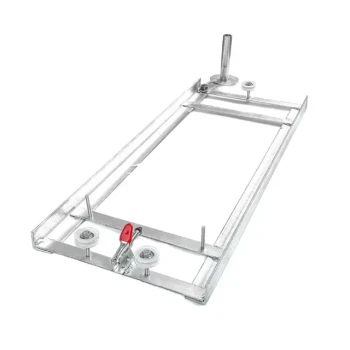
Standardized beehive hardware acts as the fundamental baseline for comparative honeybee research. By strictly maintaining uniform specifications regarding container structure, volume, and materials, researchers effectively eliminate physical variables that would otherwise skew data. This ensures that any observed differences—particularly in humidity regulation or productivity—can be definitively attributed to the biological genetics of the honeybee subspecies or geographical climate factors, rather than inconsistencies in the equipment.
Scientific validity in apiculture relies on strictly isolating biological variables from environmental noise. Standardization transforms the beehive from a variable into a constant, allowing researchers to quantify phenotypic differences with high repeatability.
Eliminating Experimental Bias
Isolating Biological Variables
In comparative studies, the physical environment of the hive must be identical to detect subtle genetic differences. Standardization removes the "noise" of variable hive volumes or construction materials.
Ensuring Attribute Causality
When hardware is uniform, researchers can confirm that specific behaviors are biological adaptations. For example, differences in humidity regulation can be directly linked to a subspecies' capability rather than the insulation properties of a specific box.
Increasing Repeatability
Scientific rigor demands that experiments be repeatable by other researchers. Using hardware with precise, professional specifications ensures that studies conducted in different regions are comparing "apples to apples" regarding housing conditions.
Enhancing Data Precision and Quantification
Frames as Measurement Grids
Standardized frames serve as more than just structural support; they act as a uniform physical reference for data collection. Technicians can subdivide the frame area into percentages or tenths to precisely estimate colony strength and food stores.
Comparative Population Metrics
Because standardized frames define the available space, they directly influence brood distribution and adult capacity. This ensures that different experimental groups are compared within the same physical space and population scale, preventing density-related biases.
Moving from Qualitative to Quantitative
Modern movable frames allow for the extraction of hard data rather than anecdotal observation. This facilitates accurate phenotypic comparisons across different regional colonies and generations, essential for statistical analysis.
Understanding the Trade-offs
The "One Size Fits All" Limitation
While standardization is excellent for data, a standardized hive may not be the optimal habitat for every specific subspecies. A hive design perfect for a temperate climate might act as a stressor for a tropical subspecies, potentially influencing their behavior negatively.
Risk of Ignoring Local Adaptations
Strict adherence to standardization might overlook how local bees naturally construct combs or manage space in irregular cavities. Researchers must ensure that the standard chosen does not inhibit natural behaviors to the point where the data becomes an artifact of the housing rather than the bee.
Facilitating Breeding and Genetic Preservation
Enabling Large-Scale Selection
Standardized consumables and frames are vital for managing vast numbers of colonies efficiently. They allow for systematic breeding programs, such as identifying mite-resistant or hygienic lineages, without the logistical bottleneck of mismatched equipment.
Supporting Natural Resistance
Tools like sticky boards or bee washing devices rely on standardized hardware to function correctly. These tools help identify "survivor colonies" that resist parasites without chemical intervention, preserving the purity and resilience of native genetic lineages.
Making the Right Choice for Your Research Goal
- If your primary focus is behavioral genetics: Prioritize standardized frames to create a uniform grid for measuring brood rearing and hygienic behavior.
- If your primary focus is environmental adaptation: Ensure rigorous standardization of hive materials and volume to isolate the bees' ability to regulate humidity and temperature.
- If your primary focus is breeding for resistance: Utilize standardized monitoring consumables to process large datasets on mite loads and survival rates efficiently.
True insight into honeybee populations requires a disciplined approach where the equipment serves as a silent, invisible standard, letting the biology of the bee speak for itself.
Summary Table:
| Research Element | Impact of Standardization | Scientific Benefit |
|---|---|---|
| Physical Variables | Eliminates differences in hive volume and materials | Isolates biological traits from environmental noise |
| Data Collection | Frames serve as a uniform measurement grid | Enables precise quantification of colony strength |
| Repeatability | Ensures identical housing across different regions | Facilitates peer-reviewed verification and scaling |
| Breeding Metrics | Uniform consumables for mite-load monitoring | Identifies resistant genetic lineages with high accuracy |
Elevate Your Apiary Research with HONESTBEE
Precision in beekeeping starts with standardized, professional-grade equipment. At HONESTBEE, we cater to commercial apiaries and distributors by providing a comprehensive wholesale range of high-quality beehive hardware, specialized machinery, and essential consumables.
Whether you are conducting large-scale genetic preservation studies or managing a commercial distribution network, our portfolio—ranging from hive-making and honey-filling machines to specialized hardware—ensures you have the reliability and consistency needed for success.
Ready to scale your operations with industry-leading tools?
Contact HONESTBEE today to explore our wholesale offerings and discover how our expertise can drive your apiculture goals forward.
References
- Iris Eouzan, David G. Biron. Hygroregulation, a key ability for eusocial insects: Native Western European honeybees as a case study. DOI: 10.1371/journal.pone.0200048
This article is also based on technical information from HonestBee Knowledge Base .
Related Products
- Professional Grade Foldable Beehive Handles
- Ergonomic Plastic Frame Spacer Tool for Rapid Hive Management Beekeeping
- Ergonomic Two Person Foldable Hive Lifter
- Durable Plastic Interlocking Hive Connector for Beekeeping
- HONESTBEE Premium Italian Style Hive Tool with Hardwood Handle
People Also Ask
- How do bee hive handles facilitate the evaluation of food stores? Use the Lift Test for Winter Survival
- How do the geometry and dimensions of hive handles influence operational safety and control? Expert Design Insights
- What is a bee hive tool? Discover Why It’s the Most Essential Hand Tool for Every Beekeeper
- What are the common sizes and features of bee hive tools? Choose the Right Tools for Your Apiary
- What is the role of professional hive tools in routine apiary maintenance? Expert Tips for Hive Health and Longevity