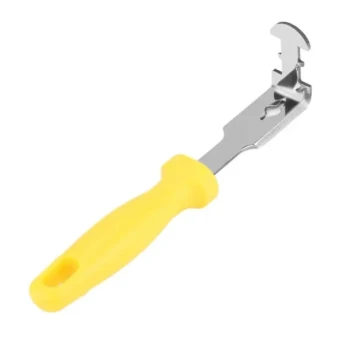
Vegetation management is a critical component of apiary biological defense. The regular use of specialized mowing and clearing equipment serves to systematically remove the tactical advantage that natural predators rely on: concealment. By eliminating weeds and brush, you force predators into the open, drastically reducing their ability to approach hives undetected.
The core role of clearing equipment is habitat denial. By stripping away the ground cover that serves as a hiding place for lizards, snakes, mice, and amphibians, you disrupt the predation cycle before it reaches the hive entrance.
The Mechanics of Habitat Control
Eliminating Predator Sanctuaries
The primary function of mowing equipment is to remove weeds and dense brush.
These areas act as micro-habitats and nesting grounds for a variety of threats, including lizards, snakes, mice, toads, and frogs. Without this vegetation, these predators lose the physical environment they require to stay close to the colony.
Removing the Element of Surprise
Predators generally require cover to launch successful attacks.
A maintained, open ground environment eliminates the visual barriers that allow predators to approach the hives undetected. By keeping the ground clean, you expose predators to their own natural enemies and make the apiary a hostile environment for them.
Integrating Defense Layers
Creating a Buffer Zone
Clearing equipment effectively creates a "security moat" around the apiary.
This clear zone forces ground-based predators to cross exposed terrain, acting as a significant psychological and physical deterrent. It establishes a baseline of biological security that makes other defensive measures more effective.
Supporting Structural Defenses
While not a substitute for physical barriers, vegetation control enhances the effectiveness of other hardware.
For example, while beehive stands provide essential elevation to stop ground predators, their utility is compromised if tall grass allows pests to bridge the gap. Keeping the vegetation cut low ensures that the vertical isolation provided by stands remains uncompromised.
Understanding the Trade-offs
Disturbance Risks
While clearing is necessary, the heavy use of equipment introduces noise and vibration.
Excessive vibration near the hives can stress the colony or trigger a defensive response from the bees. Operators must balance the need for a clean floor with the need to minimize mechanical disturbance.
Ecological Balance
Aggressive clearing removes habitat for predators, but it may also remove cover for beneficial insects or windbreaks.
The goal is to clear the immediate vicinity of the apiary for security, not necessarily to strip the entire surrounding ecosystem, which could reduce local forage.
Making the Right Choice for Your Goal
To maximize the security of your apiary, align your maintenance strategy with your specific threats:
- If your primary focus is reducing ground predator attacks: Commit to a strict schedule of mowing to keep the immediate ground completely free of brush and tall weeds, removing all potential hiding spots.
- If your primary focus is comprehensive exclusion: Combine vegetation clearing with elevated hive stands to create a dual-layer defense that removes cover and physically isolates the colony.
Ultimately, a well-cleared apiary floor is the foundational step that transforms a vulnerable colony into a defensible fortress.
Summary Table:
| Predator Type | Impact of Clearing | Benefit to Apiary |
|---|---|---|
| Ground Predators (Snakes, Lizards) | Removes concealment and nesting cover | Prevents undetected approaches |
| Small Mammals (Mice, Volts) | Destroys micro-habitats and nesting grounds | Reduces hive infestation risks |
| Amphibians (Toads, Frogs) | Eliminates damp, shaded hiding spots | Lowers predation at hive entrances |
| Insects/Pests (Ants, Beetles) | Reduces bridge-access via tall grass | Maintains effectiveness of hive stands |
Secure Your Commercial Apiary with HONESTBEE Professional Solutions
Maintaining a clean and defensible apiary is the first step toward high-yield honey production. At HONESTBEE, we understand the unique challenges faced by commercial apiaries and distributors. We provide a comprehensive wholesale range of specialized beekeeping tools, hive-making machinery, and honey-filling equipment designed to optimize your operations.
From industrial-grade hardware to essential consumables and honey-themed cultural merchandise, we equip you with everything needed to transform vulnerable colonies into defensible fortresses.
Ready to scale your beekeeping business? Contact us today to explore our wholesale catalog and discover how our expertise can enhance your efficiency and biological security.
References
- Abubakar Abdullahi Lawal, A. A. Oyerinde. Incidence of Predators and Anthropogenic Activities Affecting Beekeeping in Nigeria. DOI: 10.53555/nnfaes.v7i2.959
This article is also based on technical information from HonestBee Knowledge Base .
Related Products
- Precision Stainless Steel Frame Cleaner for Hive Grooves and Corners
- Heavy Duty Stainless Steel Frame Cleaner with Plastic Handle
- Professional Stainless Steel Pry-Bar Hive Tool
- Professional Grade Foldable Beehive Handles
- Heavy-Duty Ergonomic Grip Galvanized Pollen Shovel
People Also Ask
- What tools are recommended for cleaning hive frames? Top 4 Essential Maintenance Tools for Beekeepers
- What is the function of a professional stainless steel hive tool in IFB? Optimize Your Colony Strength Assessment
- What are the primary functions of a stainless steel hive tool? Essential Equipment for Professional Beekeeping
- What are the primary functions of a stainless steel hive tool? Essential Tips for Efficient Apiary Maintenance
- Which technical challenges in hive maintenance are addressed by using a professional stainless steel hive tool?