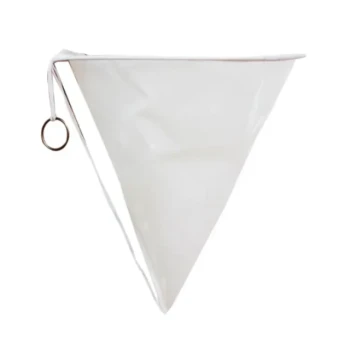
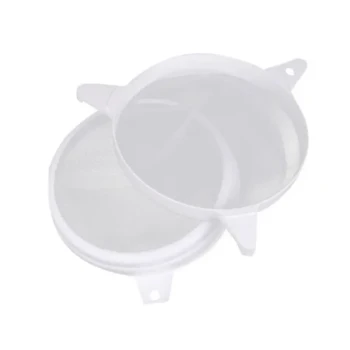
Fine filtration and standardized packaging are the dual pillars of post-processing that transform raw stingless bee honey into a stable, marketable product. Filtration mechanically purifies the honey by removing residual wax and solid impurities to ensure visual clarity, while standardized packaging provides the critical airtight seal necessary to protect the liquid from environmental humidity and extend its shelf life.
By effectively removing physical contaminants and sealing the product against moisture, these processes bridge the gap between raw harvest and commercial viability. They ensure the honey retains its unique biological properties while meeting the rigorous hygiene and consistency standards required for the modern marketplace.
The Critical Role of Fine Filtration
Achieving Physical Purity
The primary function of fine filtration is the mechanical removal of physical contaminants. After collection, raw honey often contains residual wax debris, solid impurities, and physical fragments that must be eliminated to produce a clean consumable.
Enhancing Visual Clarity
Modern consumers equate clarity with quality. Filtration systems process the honey to create a transparent, visually appealing product free from suspended particles. This step is essential for meeting commercial quality standards and ensuring consumer acceptance.
Preserving Nutritional Integrity
While the goal is purity, the process must be precise. Professional filtration is designed to remove wax and excess pollen residues without stripping the honey of its inherent nutritional components. This balance ensures the product remains a functional food source rather than just a sweetener.
The Strategic Value of Standardized Packaging
Protection Against Environmental Factors
Stingless bee honey is distinct due to its naturally high moisture content and susceptibility to fermentation. Standardized packaging acts as a barrier, sealing the honey against environmental humidity and oxygen. This is critical for preventing chemical degradation and spoilage.
Facilitating Accurate Measurement
Standardized bottles, such as 100 ml or 250 ml containers, allow for precise volume control. This facilitates consistent market pricing and inventory management, moving the product from casual sales to professional retail environments.
Preserving Bioactive Potency
The packaging does more than hold the liquid; it creates a stable environment. By using airtight glass or specialized plastic, the packaging protects oxygen-sensitive bioactive components, such as flavonoids and polyphenols. This ensures the honey’s medicinal and therapeutic efficacy remains consistent from bottling to consumption.
Understanding the Trade-offs
The Risk of Over-Processing
While clarity is desired, there is a technical threshold that must be respected. Aggressive filtration that aims for "super-clarity" carries the risk of removing beneficial pollen entirely or degrading the honey's natural character. The goal is purification, not sterilization.
The Necessity of the Seal
Packaging is often viewed merely as a vessel, but for stingless bee honey, the seal is the most critical component. Because this honey is hygroscopic (absorbs moisture from the air), poorly sealed containers will inevitably lead to fermentation. Standardized industrial packaging is not just about aesthetics; it is a necessary preservation technology that recycled or ad-hoc containers cannot match.
Making the Right Choice for Your Goal
To maximize the value of your stingless bee honey, align your processing decisions with your end goals:
- If your primary focus is Commercial Retail: Prioritize filtration for high visual clarity and use standardized 100 ml or 250 ml bottles to ensure your product fits established pricing structures and shelf expectations.
- If your primary focus is Medicinal Quality: Focus on high-integrity sealing and light-protective packaging to prevent oxidation of bioactive compounds, ensuring the therapeutic value justifies a premium price.
Ultimately, rigorous filtration and professional packaging are not optional expenses but essential investments in product stability and consumer trust.
Summary Table:
| Post-Processing Step | Key Function | Primary Benefit |
|---|---|---|
| Fine Filtration | Removes wax, debris, and solid impurities | Ensures visual clarity and physical purity |
| Visual Refining | Eliminates suspended particles | Meets commercial standards for consumer appeal |
| Standardized Packaging | Airtight sealing (100ml/250ml containers) | Prevents fermentation and environmental spoilage |
| Nutritional Preservation | Protects bioactive components | Maintains medicinal potency and antioxidant levels |
Elevate Your Honey Production with HONESTBEE
Transition from raw harvest to a premium commercial brand with HONESTBEE. As a leading partner for commercial apiaries and distributors, we provide the industrial-grade machinery and expertise needed to master the post-processing of stingless bee honey.
Our value to your business includes:
- Professional Machinery: High-precision filtration systems and honey-filling machines designed for consistency.
- Wholesale Equipment: A full spectrum of beekeeping tools and essential consumables to scale your operations.
- Market Excellence: Standardized packaging solutions that protect bioactive potency and enhance shelf appeal.
Ready to optimize your apiary’s output and reach a wider market? Contact us today to explore our wholesale solutions!
References
- Reza Ashari, Safrudin M. Abidin. The Best Practices of Stingless Bee Farming in Kapuas Hulu Regency, West Kalimantan Province, Indonesia. DOI: 10.1088/1755-1315/394/1/012051
This article is also based on technical information from HonestBee Knowledge Base .
Related Products
- Electric Double Wall Honey Filtering Machine Purifier Equipment for Honey Processing Plant
- Professional Stainless Steel Honey Filtering Machine with Water Bath Heating for Beekeeping
- 0.5T Capacity Honey Dehumidifier Dryer with Vacuum Heating and Thickening Filtering Machine
- Professional Stainless Steel Honey Filter with Support Handle
- Honey Concentrating and Filtering Dehumidifier Machine 2T Capacity for Honey
People Also Ask
- What is the process of filtering honey? A Guide to Clean, Pure, and Market-Ready Honey
- What types of equipment are used in honey filtering? Build an Efficient System for Pure, Marketable Honey
- What is the overall importance of using the right equipment in honey filtering? Boost Quality & Marketability
- What steps are involved in maintaining honey filtering equipment? A Guide to Protecting Your Honey Quality
- What role do professional honey harvesting and filtering equipment play in meeting honey market quality standards? Boost ROI